
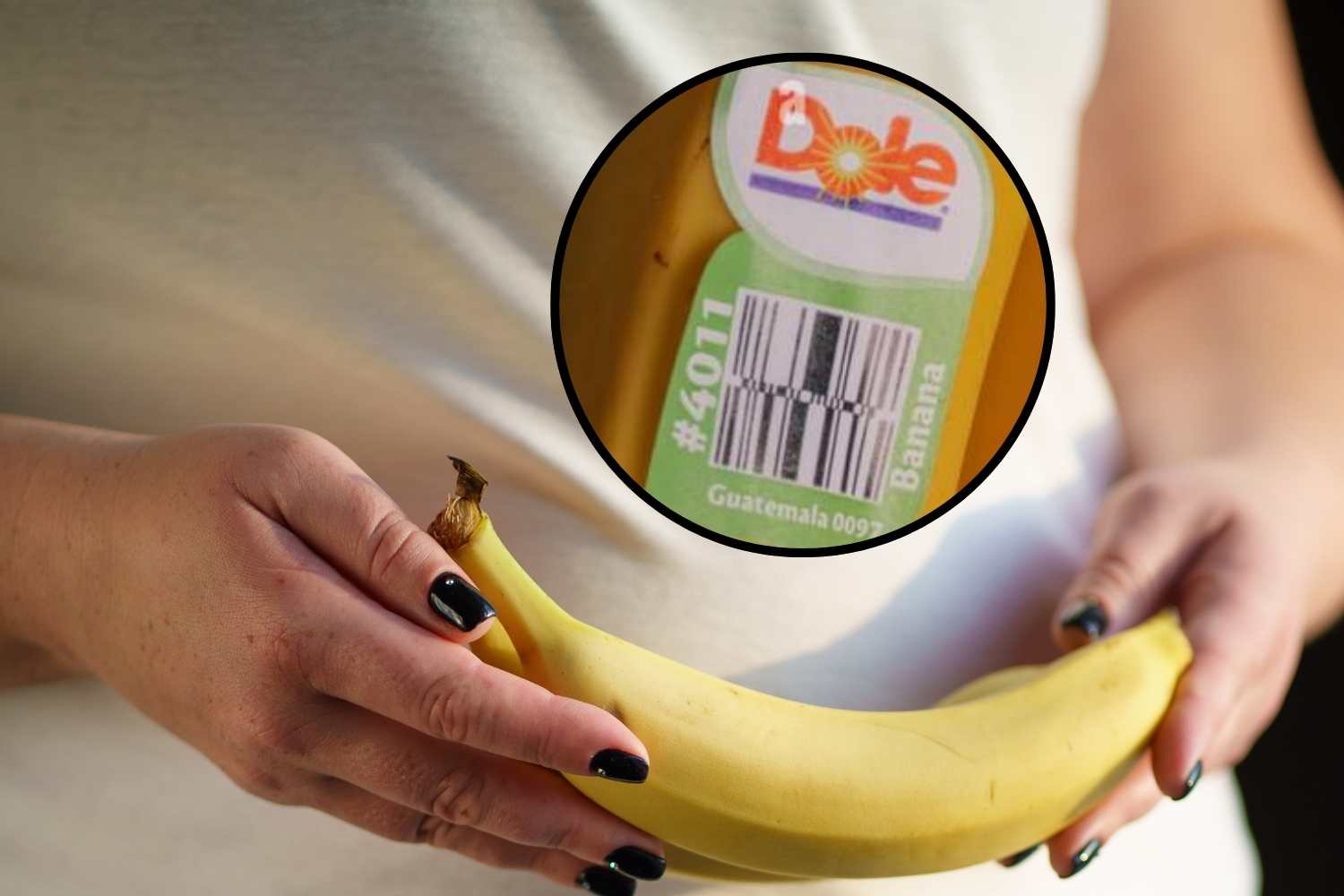
Bananas are one of the most appreciated fruits globally. Easy to carry, sweet and nutrients, they are a food that we often find in our homes, even during the summer, when they are useful for reinstating mineral salts such as potassium and magnesium. But there is an aspect that not everyone knows: bananas are among the fruits that are most frequently treated with pesticides. So how can we choose safer bananas for our health? The nutritionist Ilaria Bruno, who in a post on Instagram guides us in reading the Bananian label, will answer this question.
Let’s start with a premise. Bananas from intensive crops can contain pesticide residues, used to increase their surrender and protect them from parasites and diseases. Prolonged exposure, even at low doses, worries experts and consumers to these chemicals, especially for the effects they could have on health, particularly in the most vulnerable children and people.
Fortunately, there is a simple solution: learning to read the code found on the banana label. This small adhesive, in fact, contains a numerical code that reveals important information on us on the origin of the fruit.
View this post on Instagram
How to read the bananas label
The bananas that we find in supermarkets are generally equipped with a sticker, which reports a number next to the brand logo. This number is the PLU code (Price Look-up), an international standard that is used to quickly identify the product cultivation mode.
Here’s how to interpret the code:
As the nutritionist Bruno points out:
“The code tells you everything on how the banana has been cultivated. If it starts with 3 or 4, it means that pesticides have been used. If you want to reduce exposure to these substances, you prefer bananas with the code that starts with 9”.
Biological bananas, therefore, represent the best choice, not only for our health, but also from the point of view of sustainability: less chemical in crops means less pollution and greater respect for the environment and for the workers of the plantations.
As you have understood, there is no need for complicated apps to find out what’s in your banana: just take a look at the label.
Don’t you want to lose our news?
You may also be interested in:
