
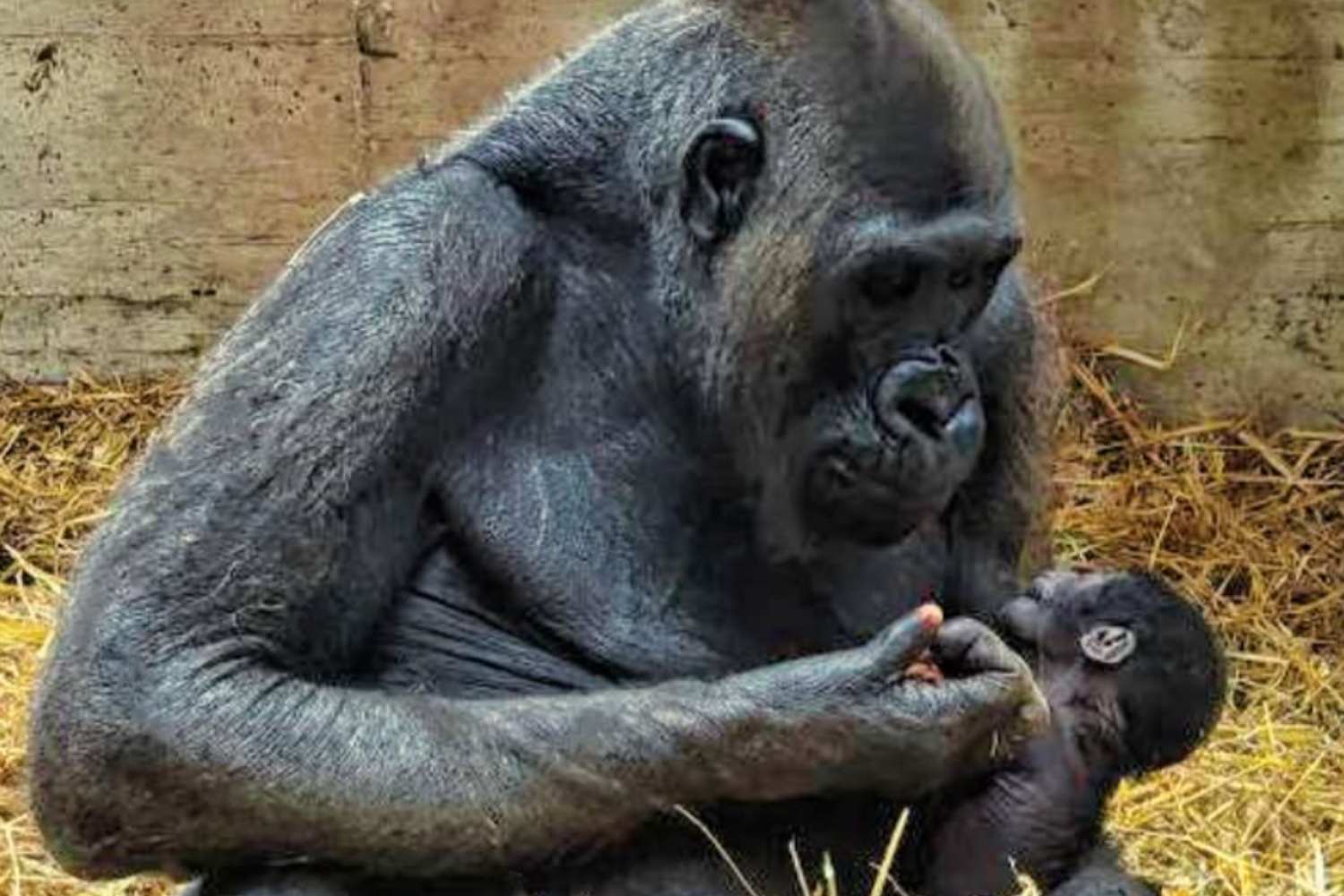
After almost half a century, a gorilla puppy was born in Italy. The event occurred at the Zoosafari of Fasano, in the province of Brindisi, where the female Tamani gave birth to the baby, welcomed by the protection of the group led by the dominant male Nasibu. This is the second birth in Italy in history: the previous one dated back to 1980, in the Rome Zoo.
Birth is the result of the EEP program, a European initiative that promotes the captivity reproduction of threatened species. The family hosted in Fasano arrived in 2024 from the Rotterdam zoo: in addition to Tamani, there are his two children Tonka and Thabo, together with Nasibu, the 17 -year -old silverback who completed the group’s social picture. With extended habitats, green areas and spaces designed to respect the ethological needs, the park has tried to offer an “ideal” environment.
View this post on Instagram
But is it really good news?
It is undeniable that birth represents a scientific and conservation milestone: the Gorillas, in fact, are among the most threatened species in the world, with populations in nature strongly reduced by poaching, deforestation and diseases. However, a question remains behind media enthusiasm: how much is there really to celebrate? This small gorilla will spend all his life in captivity, without ever knowing the African forest from which his ancestors come.
Modern zoo tell each other as conservation and research centers, but there are places where wild animals are kept in spaces, albeit curated, far from their natural habitat. A gorilla in freedom travels kilometers a day in the forest, lives in numerous and complex groups, develops social behaviors that can hardly express themselves between fences and artificial tunnels. Even if the goal is genetic safeguard, the price is the renunciation of freedom.
Fasano’s puppy will become a symbol: on the one hand hope for biodiversity, on the other warning of the fragility of a species that can only be born only thanks to human control. Perhaps we should ask ourselves if our joy is not, in part, the reflection of a defeat: nature can no longer protect itself and its future depends on fences and planned reproduction projects.
Don’t you want to lose our news?
You may also be interested in:
