
That what we eat influences our health and longevity is no longer a mystery. Numerous studies have shown how diets rich in fruit, vegetables, legumes and whole grains are associated with a longer life and a lower risk of chronic diseases, while excessive consumption of ultra-processed foods rich in salt and fat can have the opposite effect.
In this context, a new Japanese research is inserted, which has put a loved dish not only in Asia under observation but all over the world: Ramen.
For those who do not know it, it is a traditional Japanese soup based on:
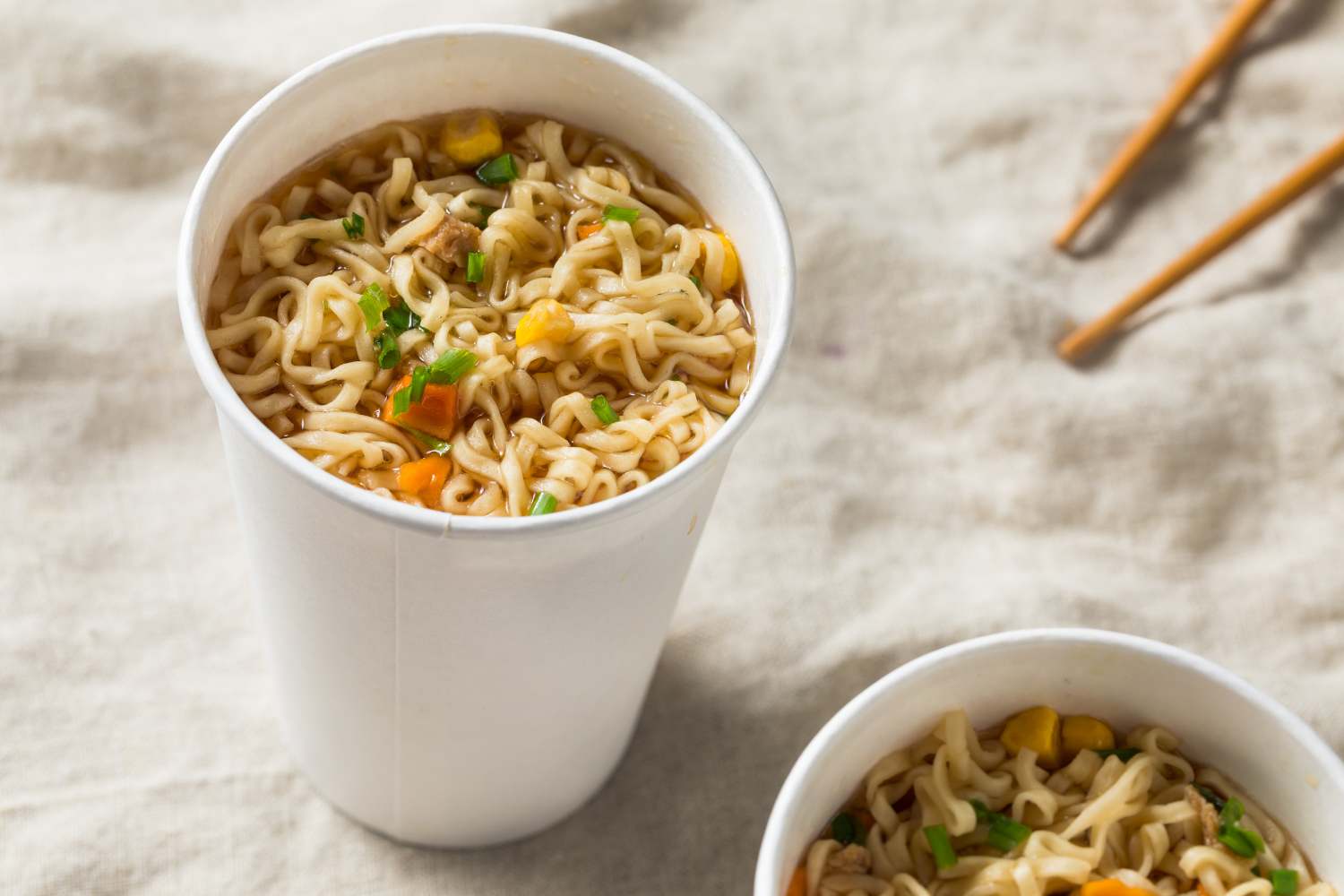
In addition to the artisan versions of the restaurants, in recent decades, the instantaneous ones have spread all over the world, even richer in salt and often of poor nutritional quality.
The Japanese study
The study, published on Journal of Nutrition, Health and Aginganalyzed the consumption of Ramen of over 6,500 people, followed for 4.5 years. The participants were divided on the basis of the frequency with which Ramen ate: from less than once a month up to three or several times a week.
During the observation period there were 145 deaths (100 for cancer and 29 for heart disease). The significant figure is that those who consumed Ramen three or several times a week showed a risk of greater premature death, especially among men under the age of 70. It must be said that among the people who participated in the investigation, those who ate very ramen often tended to be younger men who smoked, drank alcohol and were classified as overweight.
The main cause of the risk of premature death identified by researchers is the high sodium content. The Ramen broth, if consumed entirely or almost, provides quantities of salt that greatly exceed daily recommendations. The excess of sodium is associated with hypertension, stroke, heart disease and gastric cancer.
In addition, Ramen often provides few fibers and micronutrients, while in instant versions they are frequent saturated fats and additives. However, as already mentioned before, it should not be overlooked that habitual consumers also had other unhealthy behaviors on average (more alcohol, smoke, overweight).
Finally, we specify that the study is observational and does not feel a direct cause-effect relationship. However, the message is clear: consuming Ramen too often, especially in the instant version and drinking all the broth, is not a healthy habit. Further research will be needed to understand how far an excessive consumption can affect longevity.
