

The pesto is one of the most loved pasta condiments, it is found in all supermarkets in different versions ready for use, just open the jar and pour it at will. But what does it really contain? Are there contaminants or ingredients of questionable quality? To find out, the German consumer magazine ÖKO-TEST He conducted an investigation into 21 green plagues, between very well -known German and Italian brands, purchased in supermarkets and discount stores, including 11 organic products.
The analysis focused on the pests based on olive oil, excluding the vegan variants, and, among other things, respecting the traditional recipe with basil, oil, pine nuts, Parmesan, pecorino, salt and garlic.
Let’s see what the experts discovered.
The test results
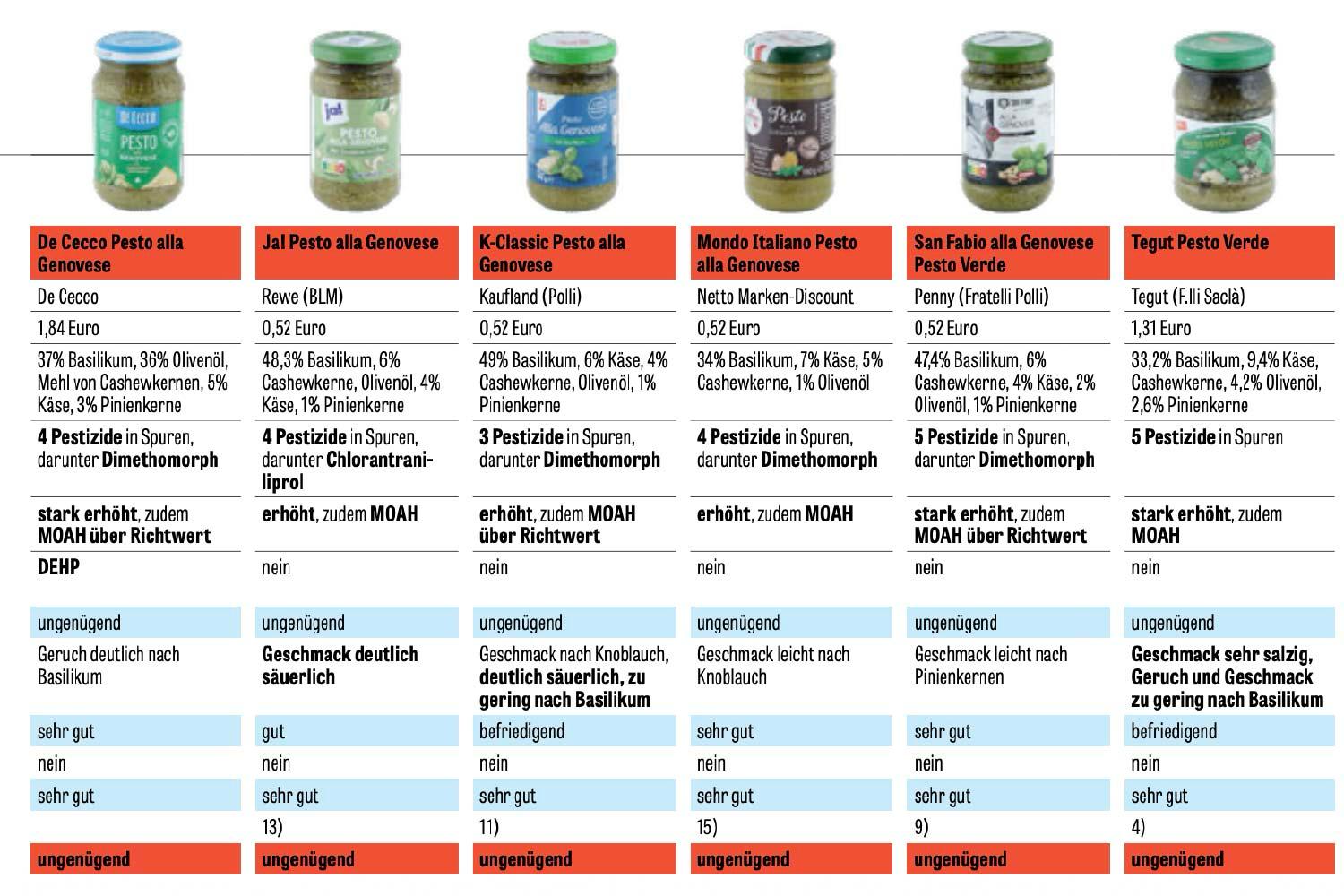
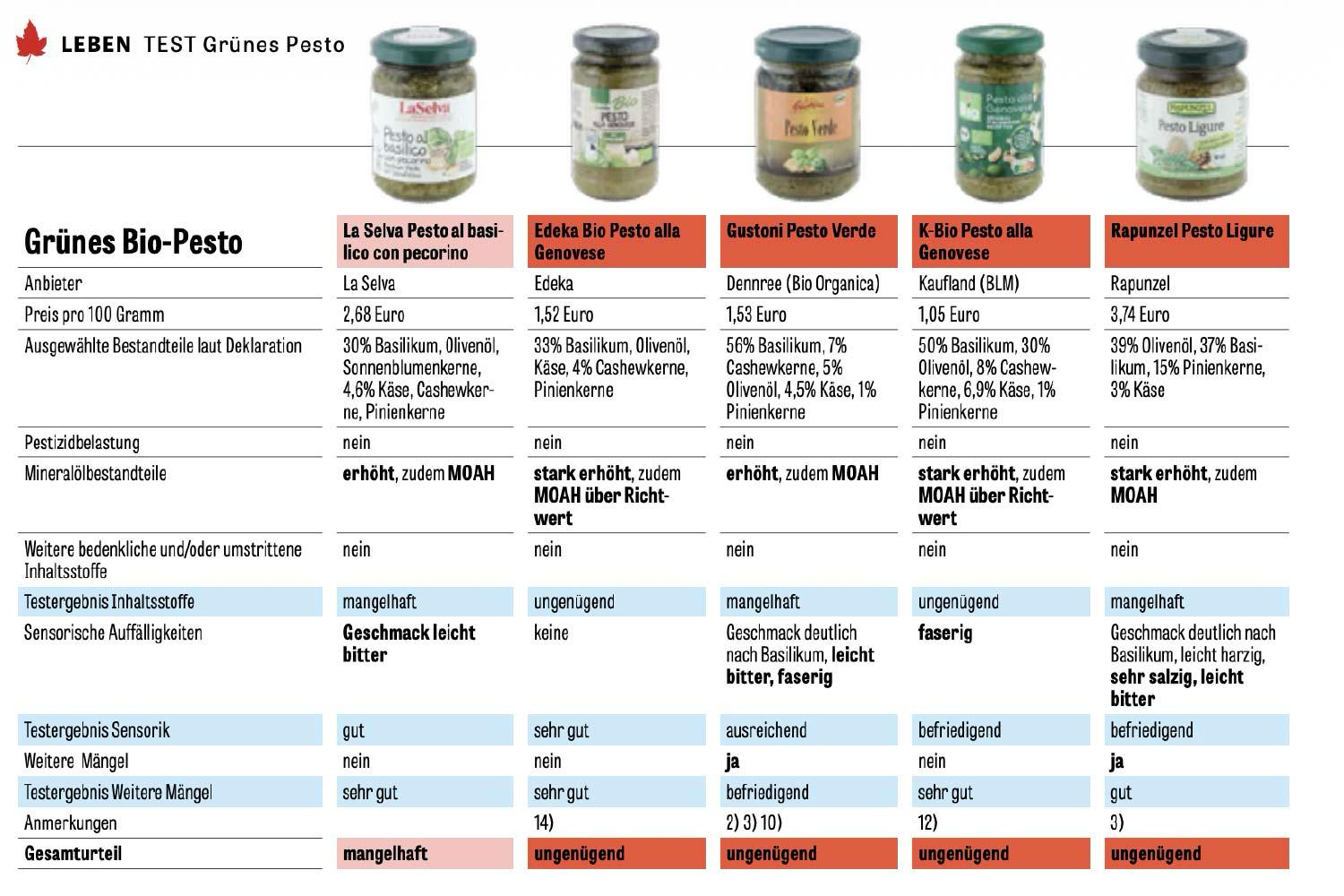
Most of the pests analyzed highlighted contamination by mineral oils and pesticide residues, in addition to the presence of some chemicals such as plasticizing. In detail, 14 products contained saturated mineral oils (Mosh) in significant quantities, while in 12 products aromatic hydrocarbons of mineral oils (Moah) were found, half beyond the limits recommended by the European Commission. These compounds are worrying because some can be carcinogenic.
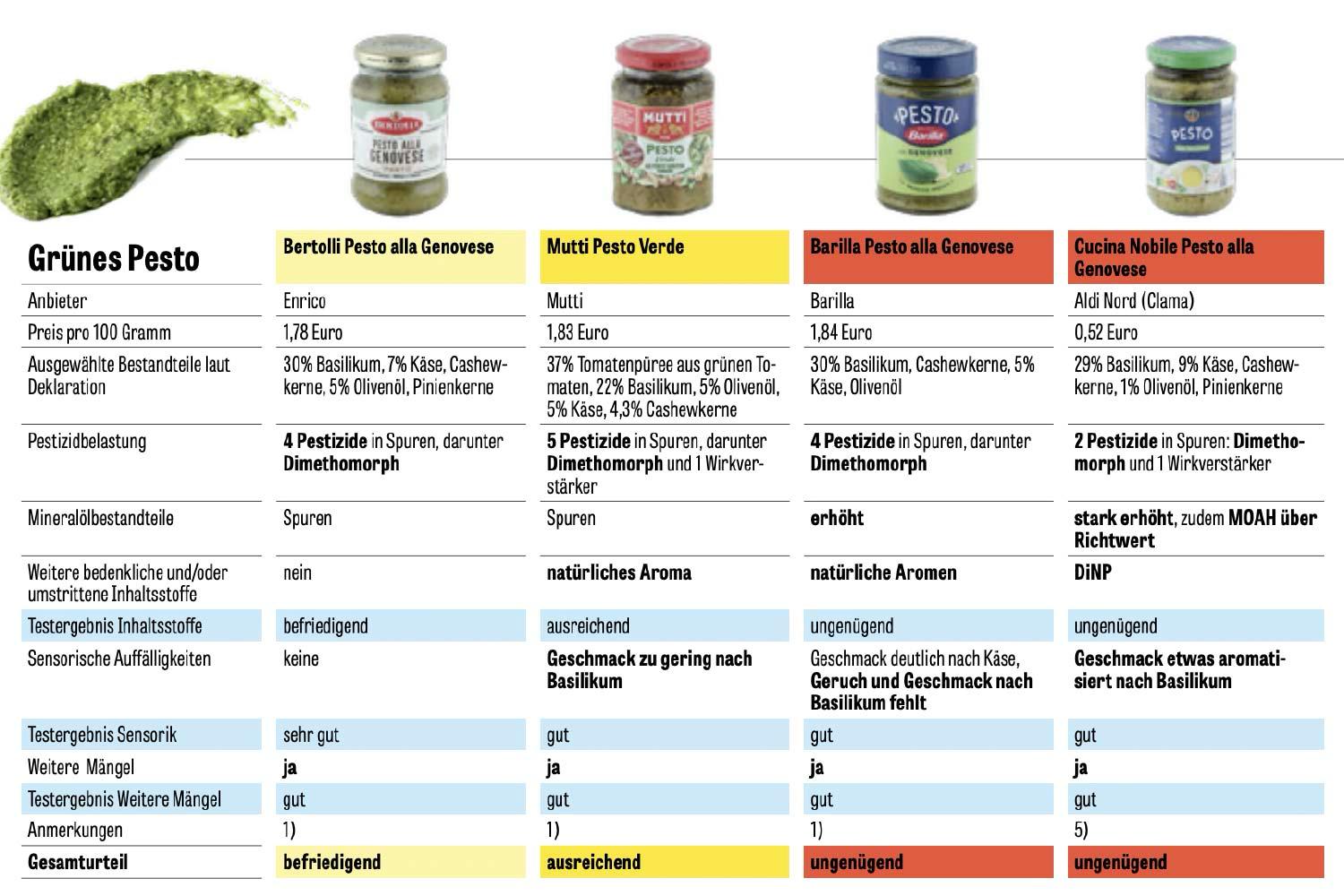
In addition to mineral oils, the test highlighted a significant problem related to the pesticides in the plague. Some products were containing up to 5 different residues in the same jar and, although the levels of the individual active ingredients are well lower than the limits of the law, ÖKO-TEST He underlines that the combination of multiple pesticides can lead to risks not yet sufficiently studied, since the interactions between different chemical compounds could amplify the toxic effects.
Among the most worrying pesticides detected in the tests are:
Another critical aspect concerns plasticizing, in particular phthalates, chemicals used in the production of plastics in contact with food. In the test, some peers have passed the limits allowed by the EU legislation for:
It is likely that these compounds have migrated to foods from the tubes or containers used during production, contaminating raw materials. Even if the direct risks for the consumer are not yet completely clear, their presence highlights a significant safety problem along the production chain.
The best or worst pest
Only 4 products eventually distinguished themselves positively: two plagues obtained maximum votes and two others were judged “good”. These products are characterized by a higher content of basil and olive oil, by the absence of artificial aromas or additives and for a sensory yield close to traditional Genoese pesto. On the contrary, the worst plagues often contain economic ingredients such as anacardi, sunflower oil, sugar, corn fibers or serum powder milk, with a percentage of low basil, sometimes only 25%.
The 4 plagues with positive evaluation are all typical references of the German market:
Among the worst we find instead:
Instead, they snatch a sufficiency, despite the traces of pesticides, pesto Bertolli and the mutti.
It should be noted that, however, in some cases, the lines produced for the German market can differ from those sold in Italy; Therefore, it is not possible to establish with certainty that the tested products correspond exactly to the versions available in our supermarkets.
A similar test was conducted in Italy by Life jacket Last summer, you can read the results in the following article: from Conad to Carrefour, from Biffi to Barilla: what does it really hide in your pesto?
How the test was conducted
ÖKO-TEST He has adopted a very complete approach to evaluate the safety, quality and taste of the plagues. In the laboratory the products were analyzed to check the presence of:
In addition, qualified sensory experts have evaluated the smell, flavor, appearance and consistency of each pesto, while the labeling and advertising statements have been controlled to identify deceptive claims or environmental promotions without explanations.
