
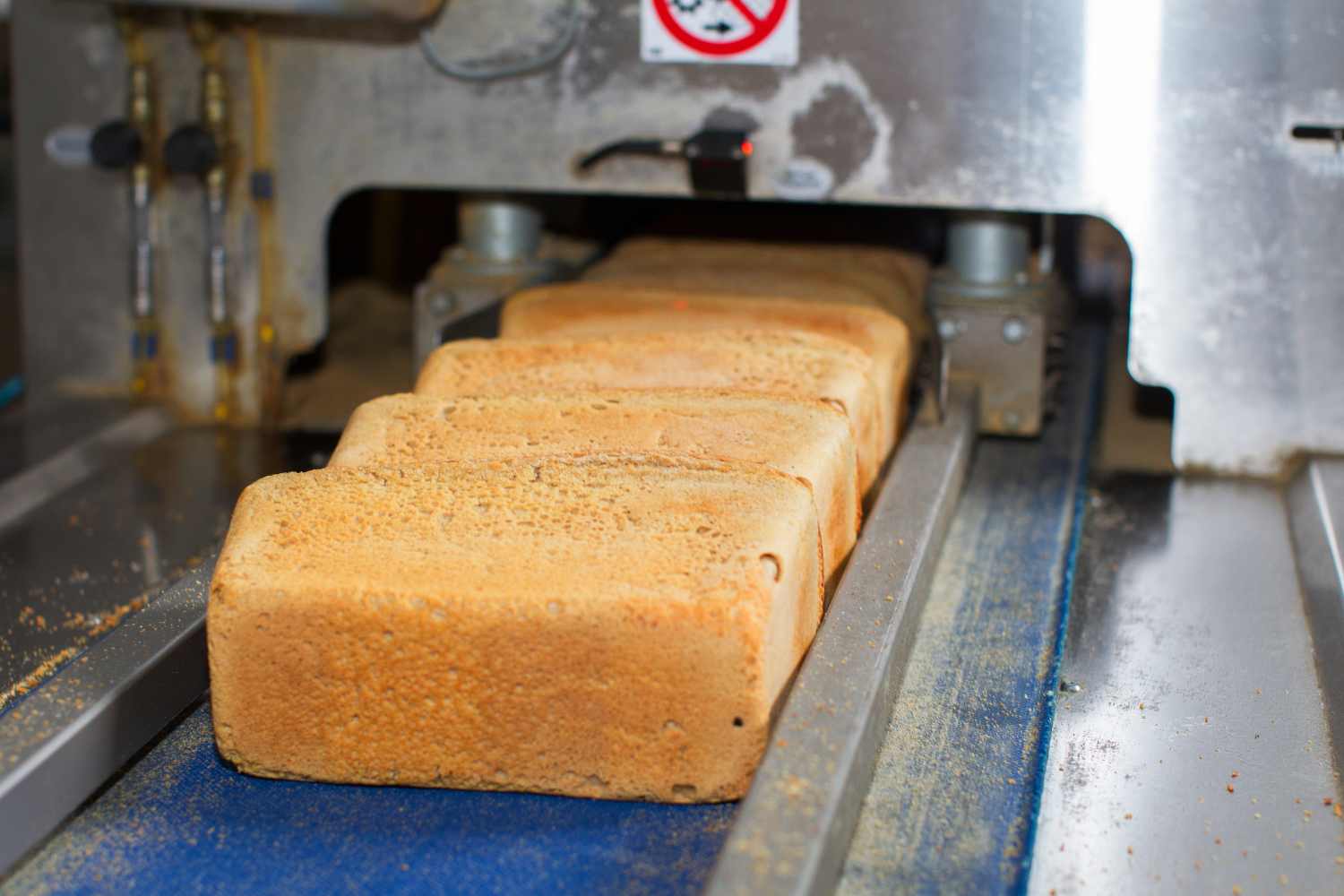
Open the bread bag bought at the supermarket a week ago and is still soft, without a mold of mold. Now think of the baker loot bought two days before: already lasts, perhaps with some sign of deterioration. The difference is evident and raises a legitimate question: what makes industrial bread so lasting?
The answer lies in a combination of factors ranging from the composition of the ingredients to packaging techniques, passing through the massive use of chemical additives. Elements that not only modify the duration of the product, but deeply alter its nutritional and organoleptic characteristics.
The ingredients that make the difference
Traditional bread is prepared with four basic elements: flour, water, salt and natural yeast. A simple recipe, handed down for centuries, which guarantees a genuine but perishable product. Industrial bread, on the other hand, has a much longer list of ingredients. Just read the label of a common pan carrè to discover the presence of emulsifiers (E471, E472e), improvements, acidity corners and anti -mold preservatives.
These substances deeply change the behavior of the product. The most common preservatives are football propionate and potassium sorbate, added to prevent the growth of mold and bacteria. To these are added the emulsifiers, which guarantee a uniform consistency and slow down the staber process.
The flour used also constitutes another substantial difference. Industrial bread is almost always used refined flour of type 0 or 00, with a part of the germ and the removed bran, a choice that reduces its nutritional value but, at the same time, increases the stability of the product, given that the grain germ contains oils that can random.
Science behind conservation
The ability of industrial bread to resist for weeks without molding is certainly not magic, but applied biochemistry. According to scientific research, the duration of conservation of untreated oven products is about 3-4 days, with the deterioration due mainly to the growth of mushrooms of the species Penicillium and Aspergillus.
To counteract this natural phenomenon, the food industry uses different strategies. The chemical additives and the excessive processing of the ingredients, which includes the refining of flour and the addition of sugars or emulsifiers, modify the nutritional properties of the bread. Another key element is the reduction of the water content during production, the case that creates a less favorable environment for microbial proliferation.
The scientific literature documents how modern active packaging systems, which use protective atmosphere with inert gases or bags containing ethyl alcohol, significantly contribute to the extension of the so -called shelf life, i.e. the maximum duration of a product before the inevitable deterioration.
Treatment with ethanol
Many consumers wonder why, by opening a pack of bread in the box, they warn a particular, almost alcoholic smell. The fault of the Aanolol (ethyl alcohol) which is used with an anti -mold function by many packaged bread producers intended for greater duration of the fresh. It is a surface treatment which, when present, must be indicated on the label with the wording “treated with ethyl alcohol”.
This system allows you to maintain a relatively high humidity rate without promoting the proliferation of mold. The European legislation provides that, if ethanol is used, other antimicrobial additives cannot be added, and the presence must be clearly communicated to the consumer.
The most controversial additives
The list of additives used in industrial bread is long and complex. Among the most common we find the E280 (propionic acid) and the E281-283 (proposed), mainly effective against mushrooms. The E471 (mono and diglycerides of fatty acids) have an emulsifying and stabilizing function, improve the tender of the dough and give more thrust in cooking.
Sorbic acid (E200) and its salts (E202, E203) are used as anti -mold substances, which can be used up to 2 grams per kilogram in partially pre -cooked baked goods. These compounds are considered safe by the health authorities, but raise doubts among consumers increasingly attentive to the naturalness of food.
Some additives are particularly controversial, such as the bromate of potassium, an oxidant agent used to make bread flour “mature”, helps to strengthen the dough and improve the leavening. Although it is legal in some countries, it raises some concerns about potential carcinogenicity.
The problem of deceptive packaging
Not always what we see on the packaging corresponds to reality and the cases of misleading labels are decidedly frequent in the food sector. Products showing images of fresh ingredients, such as milk or eggs, often contain only powder versions of the same, with a wise use of colors and images to mislead the consumer.
The phenomenon of bread “baked all day” in supermarkets represents another example of ambiguous communication. The loaves often come from abroad, are pre -cooked and frozen, with a life from the dough that can reach even the two years thanks to preservatives and special enzymes. The store is limited to completing cooking in an electric oven, with the consumer who has the impression of buying freshly prepared fresh bread.
The consequences on health and taste
Studies suggest a potential correlation between high intake of refined sugars, often present in industrial products, and health problems such as obesity, diabetes and metabolic disorders. Artificial ingredients and preservatives can alter the intestinal microbiota, contributing to digestive or inflammatory problems.
From a sensory point of view, the difference is remarkable. The artisan bread has crunchy and caramelized crust, more aromatic and slightly acidic crumb if prepared with sourdough, greater complexity of perfumes. Industrial bread, on the other hand, often has a more neutral or sweet taste thanks to the added sugars, with less aromatic shades and a thin or almost non -existent crust.
The leavening represents another critical element. Artisan bread takes long times, often over 12 hours, which allow complete fermentation and make the product more digestible. The industry, for economic reasons, drastically reduces these times thanks to enzymes and improvements, obtaining as a result of a bread that forms quickly but is less tolerable from the body.
The legal definition of fresh bread
By decree, fresh bread is the one prepared according to a continuous production process, without interruptions aimed at freezing or frozen, without preservative additives and other treatments having preservative effect. The time interval between the beginning of the processing and the sale must not exceed 72 hours.

Bread with different characteristics must be called “preserved bread or prolonged durability” and sold in distinct sectors. This legislation should protect consumers, but in practice the gray areas remain numerous, with products playing on the ambiguity of the words on the label.
Natural alternatives coming soon
The growing awareness of consumers pushes research towards more natural solutions. Scientific studies are exploring the use of plant extracts, essential oils and lactic fermented as alternatives to chemical preservatives. The fermentation with sourdough and the use of lactic bacteria have shown antimicrobial, anti -mold and antibacterial skills through the release of different metabolites that can replace chemical preservatives.
These techniques require longer times and higher costs, but offer a more healthy final product with a genuine flavor. Some artisan bakeries are already adopting these methods, showing that it is possible to produce quality bread that lasts a few more days without resorting to industrial chemistry.
How to choose consciously
The choice of the right bread requires attention, for this reason we recommend that you always read the label (to learn more about you refer to the “food labels” section, where you will find many examples on the importance of what has been said) and remember that the less ingredients there are, the better. Be wary of the packaging that show idyllic images but hide interminable lists of additives. Privile the artisan bakers who work with quality flour, mother yeast and adequate leavening times.
Fresh bread can last less, but offers higher nutritional values, authentic flavor and the certainty of consuming a genuine food. If you buy industrial bread, keep it in the refrigerator or freezer to further slow down the deterioration, remembering that its long duration is the result of industrial processes and not of superior quality.
The difference between the bread that lasts two days and what resists for weeks is not just a matter of conservation: it is the difference between a natural product and one built in the laboratory to win the challenges of modern distribution, often at the expense of taste, nutrients and authenticity.
