
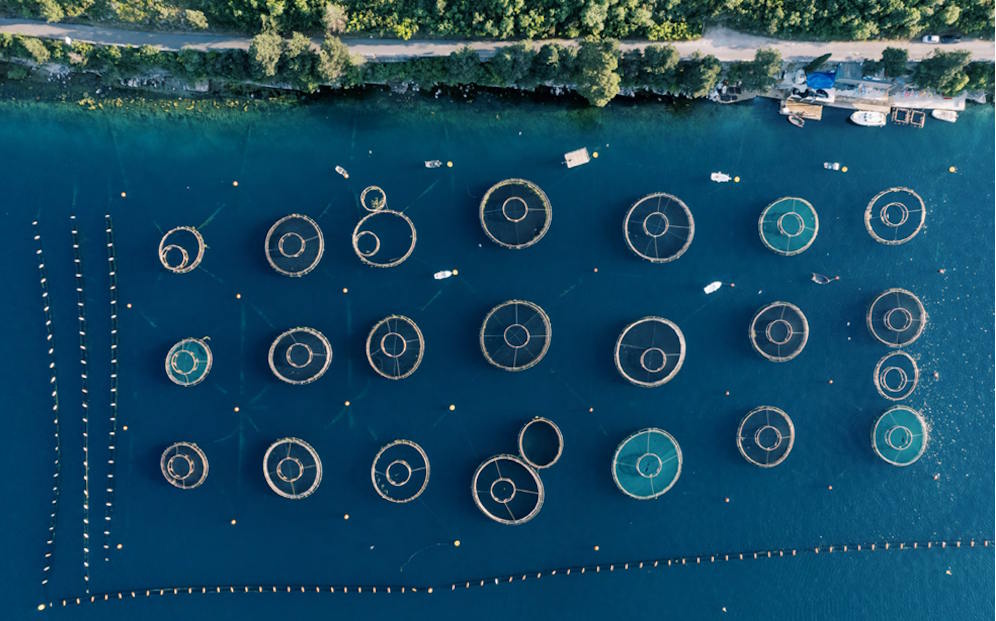
Expanding aquaculture to include additional carnivorous species such as octopus could undoubtedly have disastrous repercussions on marine ecosystems, animal welfare and food security.
The research, entitled The Growing Threat of Carnivorous Aquaculture (“The growing threat of carnivorous aquaculture”), published on the occasion of World Octopus Day, raises a clear alarm: expanding aquaculture to these species would have dire consequences for oceans, animals and global food security.
An unsustainable model from the start
The world’s first octopus farm, planned by Spanish company Nueva Pescanova in Gran Canaria, could require 28,000 tonnes of wild fish each year from its start-up to produce just 3,000 tonnes of octopus meat. It means around 2 billion fish transformed into feed, which could become 7 billion by 2040.
Contrary to the “sustainable” image with which it is often presented, carnivorous aquaculture – that is, that which breeds species that feed on other fish – aggravates the pressure on already overexploited fish stocks, rather than alleviating it.
Ecosystems and local communities at risk
As the report highlights, the expansion of these farms would take away critical resources from coastal communities in West Africa, South America and Southeast Asia, where fish for food are caught.
This would involve:
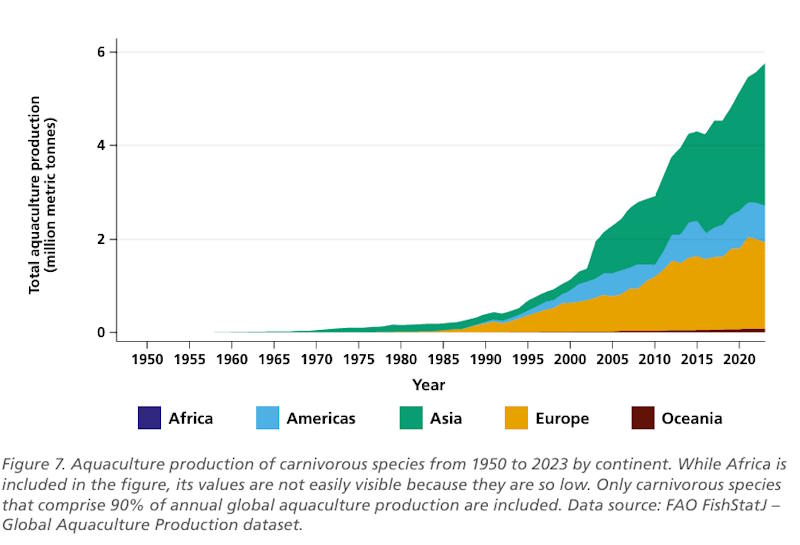
A few numbers
Undercover cruelty
Along with the report, CIWF released an undercover video showing the intended slaughter method Nueva Pescanova: Octopuses are forcibly immersed in a mixture of water and ice and take at least 10 minutes to die. A slow, painful method without any form of stunning, which confirms the fears of experts: there is no “humane” way to breed and kill octopuses.
CIWF invites governments and institutions to sign the global commitment “Keep Them Wild” (“Wild by nature”), to ban the farming of octopus and stop the expansion of carnivorous aquaculture and in Italy, the association has launched a petition addressed to the Ministers of the Environment, Agriculture and Health, asking them to sign the commitment.
Carnivorous aquaculture is often presented as a solution to the food crisis, but in reality it makes it worse – explains Elena Lara, Senior Research and Policy Adviser at CIWF. Octopus farming would plunder the resources of coastal communities in the Global South and fuel the profits of only a few. And our footage proves it: there is no cruel method for slaughtering these animals. We must act now to keep them free, protect oceans and food security.
Octopus farming is not just an ethical issue: it is a real risk for biodiversity, food justice and the health of the seas.
Stopping it means choosing a future where the oceans remain alive and wild animals remain wild.
