
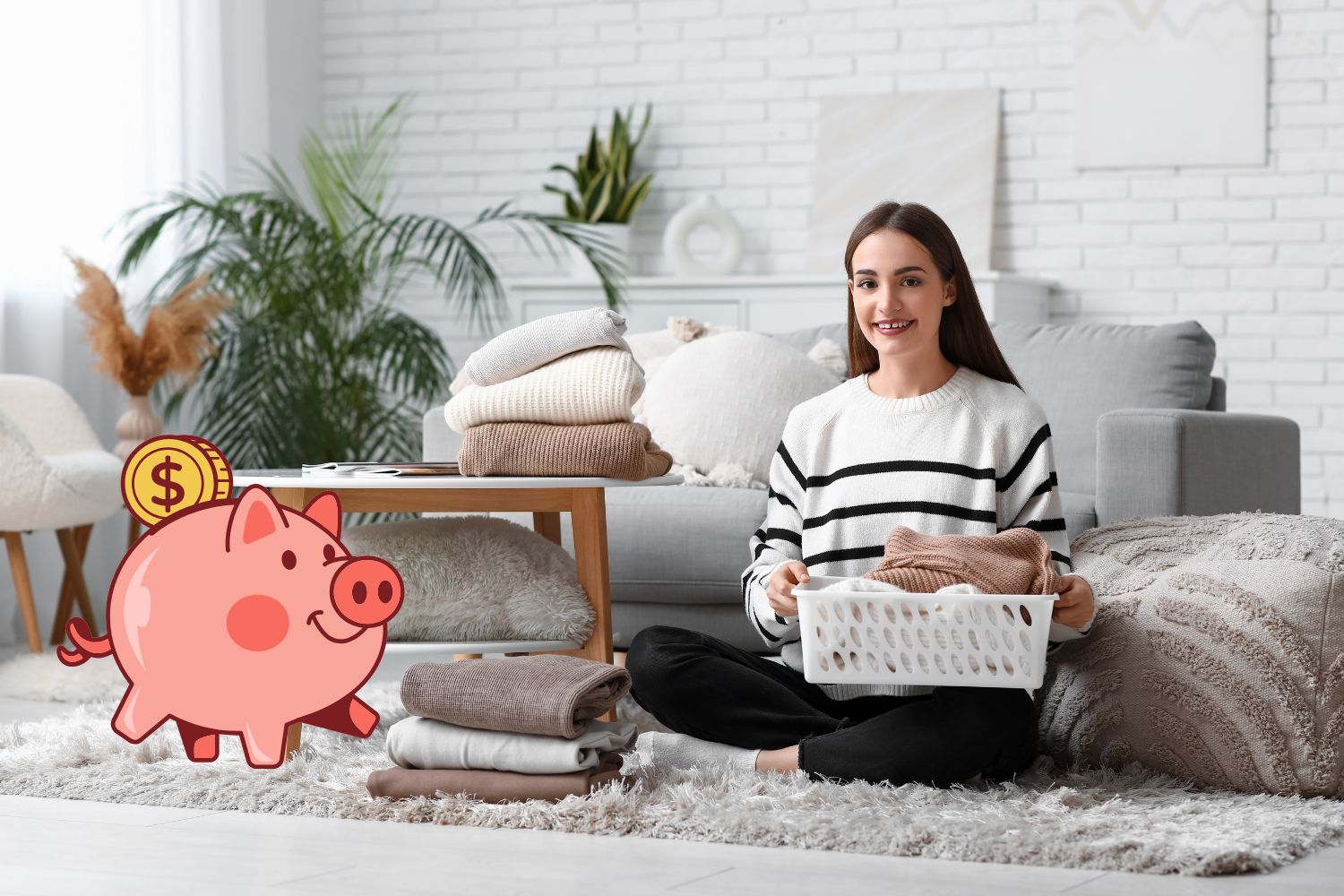
When you open your wardrobe, you may find yourself faced with sweaters, pajamas, sweatshirts and tracksuits. Yet, every single garment can become a fundamental tool for improving home comfort. Living well at home does not mean increasing the temperature of the radiators, but learning to better manage how and how much we cover ourselves.
In this article we will see how to dress at home in a strategic way to be able to reduce heating by even 2 degrees, while still maintaining a pleasant sensation of warmth. A simple habit that can have a real impact on health, productivity and mental and physical well-being.
What is thermal comfort
The concept of thermal comfort goes far beyond simply “feeling warm”. It is a state in which the body and mind perceive the environment as pleasant from a thermal point of view. This state influences numerous aspects of our daily life: concentration, efficiency in study or work, mood and even the quality of sleep.
A 2023 scientific review analyzed 31 studies conducted between 2010 and 2022 on indoor environments and behavioral adaptation strategies. The result is surprising: domestic temperatures perceived as acceptable range from 15.0 °C to 33.8 °C, depending on factors such as climate, age, ventilation and building type.
This means that the ideal temperature varies from person to person, and that the way we dress and behave at home is fundamental to achieving comfort. Some of the most common behaviors to fit in include:
The real key to thermal comfort is behavior, not the number on the thermostat.
Dress intelligently at home
Correct wardrobe management can help you live well at home, reduce your bill and not sacrifice comfort
Continuously checking the thermostat may seem like a quick fix, but in the long run it reduces our ability to adapt to the cold. So here’s how to dress at home effectively to maintain an optimal body temperature even with the heating turned down.
The principle of layering: never just one layer, but many and light ones
Wearing a single heavy sweater is not the best solution. It is preferable to overlap several light layers, in order to create modular thermal insulation:
Air spaces between fabrics: the invisible insulation
Slightly loose, not too tight clothing creates small air pockets that work as natural insulators. This allows you to better retain body heat, keeping the temperature constant.
Materials to prefer (and those to avoid)
Choose natural and breathable materials, capable of maintaining heat without causing excessive sweating:
Avoid synthetic fabrics that do not breathe and can cause discomfort, especially in closed, heated environments.
Thermal accessories: small but essential
Small accessories can make a big difference:
When the home environment is hostile
Even at 20°C, you may feel cold if there are icy surfaces or drafts
A room with a cold floor, drafts on the windows or poorly insulated walls can make you feel cold even if the thermostat reads 20°C. This happens because the body “reads” the temperature also through surfaces and not just the air.
This is why dressing appropriately becomes an important defense against thermal discomfort. In many cases, you can keep your heating at 19-20°C, rather than 21-22°C, and still feel good.
According to the 2023 review, in several homes analysed, the inhabitants managed to stay comfortable thanks to small adaptations, not with massive use of heating. A confirmation that “thermal fashion” at home is not a sacrifice, but an ally of well-being.
You might also be interested in:
