
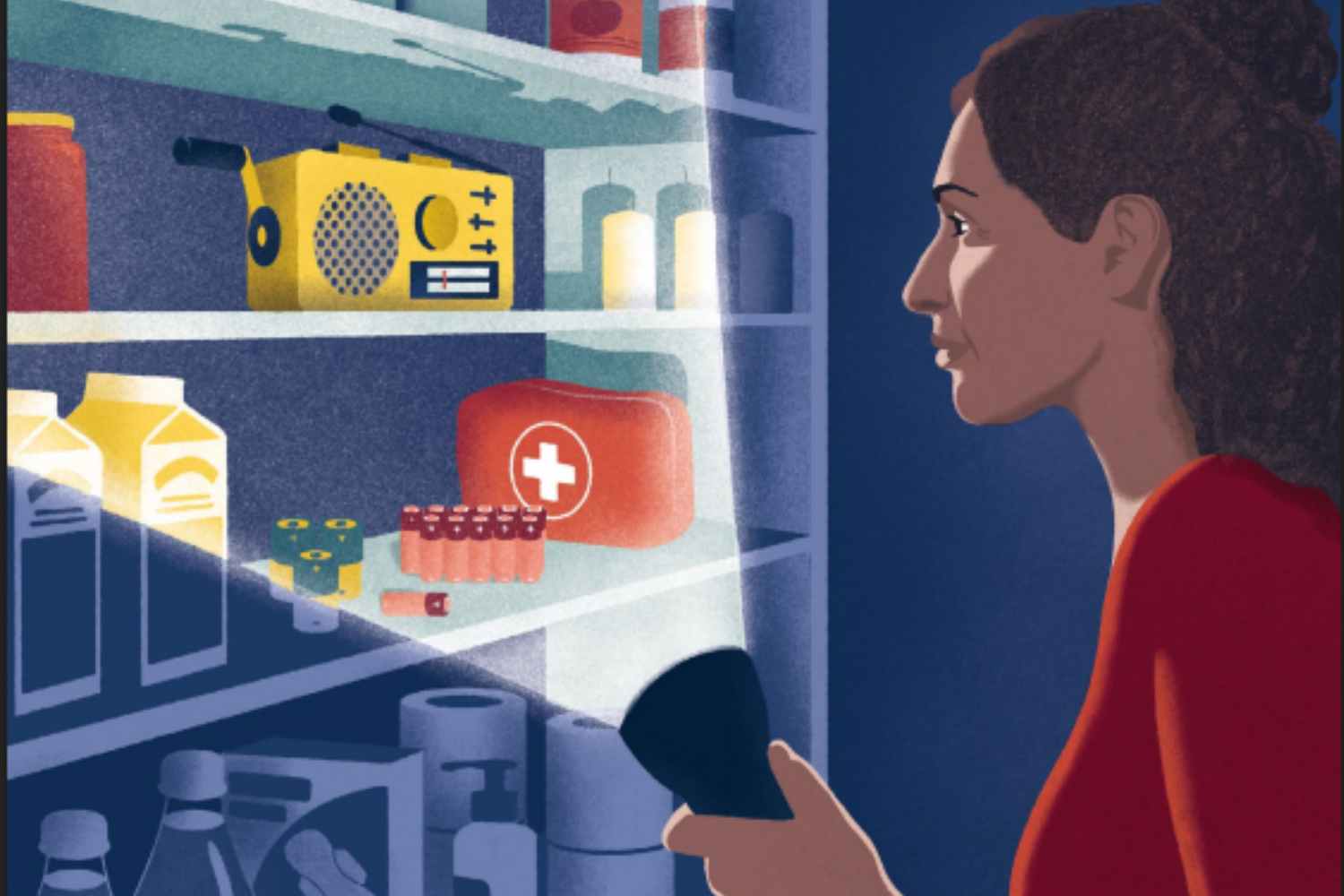
The German Federal Office for Civil Protection and Disaster Assistance (BBK) has broken a 35-year silence. For the first time since 1990, the federal authority has explicitly included military scenarios in its public guidance on crisis and disaster precautions. The new publication, entitled “Vorsorgen für Krisen und Katastrophen” (Precautions for crises and catastrophes), is a direct response to the changed European geopolitical scenario, in particular the Russian war of aggression against Ukraine.
The message is clear: “War no longer seems as impossible as it did a few years ago.” While Germany remains one of the safest countries in the world, the body urges citizens to be “well prepared in advance” to deal with potential disruptions to daily life.
Not just natural disasters: the focus on hybrid threats
The guidance does not focus solely on natural disasters or power outages, which are on the rise, as are extreme weather events. A significant section is dedicated to so-called hybrid threats, which include cyber attacks on critical infrastructures, disinformation and sabotage. These elements can lead to IT systems in hospitals, utility companies or supermarkets crashing, interrupting essential services such as the water supply, the electronic payment system, the functioning of telecommunications and the ability to cook or heat the home.
As the head of the organisation, Ralph Tiesler, underlined, the aim is to offer “support and guidance to those who are worried or need information”. Preparedness is seen as a means to reduce feelings of helplessness and enable citizens to act effectively in a crisis, while avoiding overwhelming relief forces.
Self-sufficiency as a goal: 10 days of supplies
The central recommendation of the BBK is that all families should be able to provide for themselves for a period of three to a maximum of ten days. While preparing for just three days is already “very helpful,” the ideal goal is ten days, a point from which citizens can build their supplies gradually.
Information and communication in the event of a blackout
In a crisis involving power outages or blocking of mobile phone networks and the Internet, communication channels such as alert apps (such as NINA), televisions and mobile phones stop working.
For this reason, the guide insists on the importance of alternative means of receiving information and communicating:
Furthermore, the BBK provides specific guidance on how to seek refuge in case of explosions (internal rooms without windows or basements), how to react in case of fire, and how to safely store important documents (identity, property, qualifications) in fireproof or waterproof containers.
