
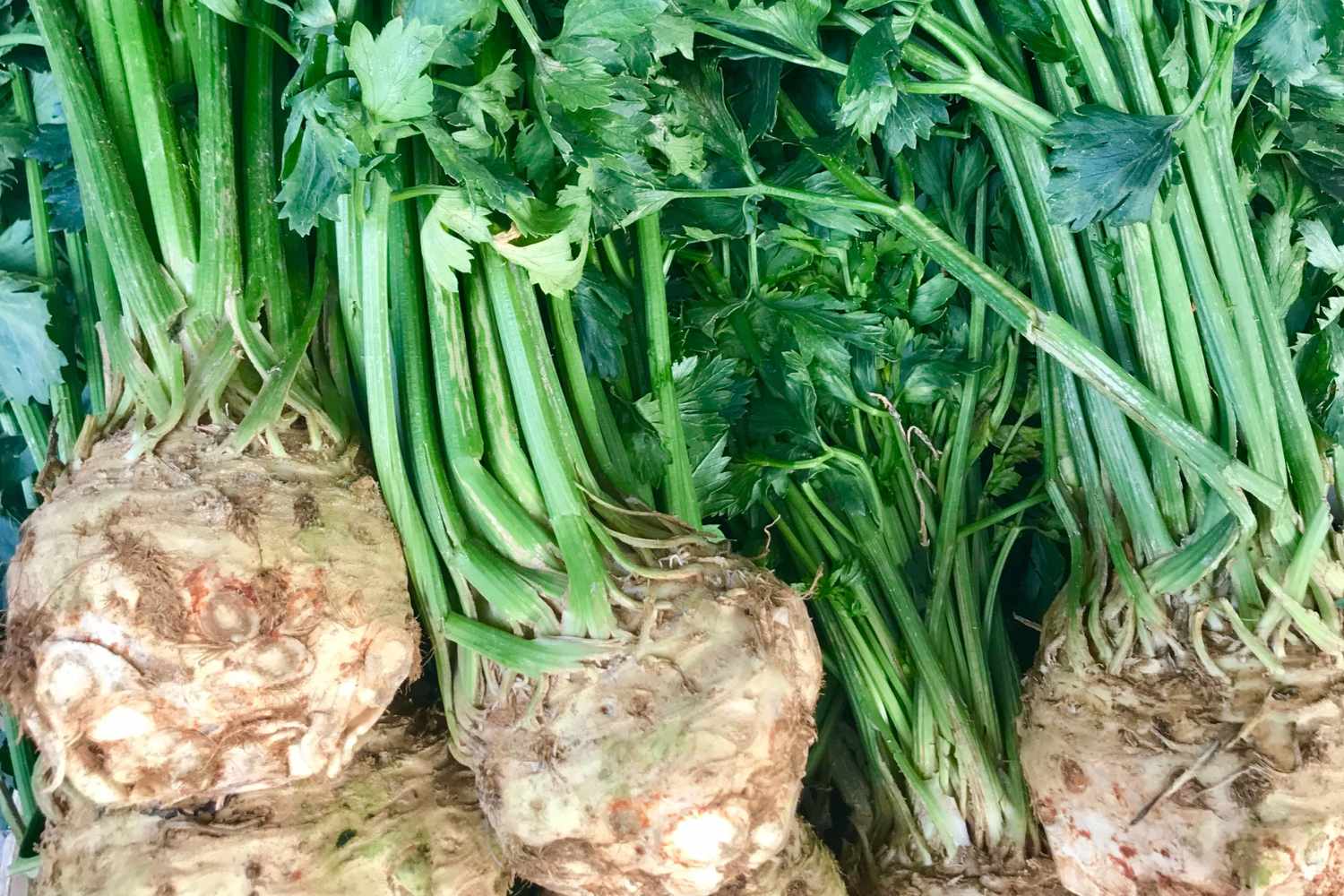
Celeriac, known in some Italian regions as sedarina or Verona celery, is one of the most underrated vegetables of our country’s agricultural tradition. Part of a group of cultivars of the species Apium graveolens – common celery – has a typical globose and lumpy root, with an uninviting appearance, which contains a white and crunchy pulp with a delicate flavor and surprising culinary possibilities.
Sedarina is a vegetable belonging to the family of Apiaceae and it clearly distinguishes itself from the classic celery. The edible part is the root, which can reach considerable dimensions and weigh between 500 grams and one kilogram. The external peel, brown and rough, protects a white interior with an intense aroma, with notes reminiscent of traditional celery but with softer nuances that evoke hazelnut.
History and diffusion of a forgotten treasure
The origins of celeriac are lost over time. The ancient Romans already cultivated it, and Homer mentioned it in the Odyssey with the name of Selinon. During the Middle Ages it was mainly used as a medicinal plant, appreciated for its supposed ability to ward off melancholy. The cultivation of sedarina has remained alive especially in the northern regions of Italy, in particular in Veneto and Friuli, while in the South it is little known.
The progressive disappearance of celeriac from Italian tables is mainly due to the economic implications linked to production, because productivity is lower than modern vegetables, cultivation takes a long time and the fragility of the root makes transport and conservation in large-scale retail trade difficult. Precisely these characteristics make celeriac the ideal candidate for domestic cultivation and for valorisation as a typical local product.
Cultivation of celeriac in the family garden
Growing celeriac is similar to growing celery, although it requires a little more specific care. Sowing is carried out between February and May, the soil must be deep, well drained and rich in organic substance, and remember the special needs of the root, which needs space to develop without forking, so take extreme care when preparing the soil.
The seedlings should be placed at a distance of at least 30 centimeters from each other, slightly greater than traditional celery. Irrigation must be constant: the lack of water hardens the root and compromises its crunchiness, while regarding the position, the ideal would be in partial shade, especially during the warmer months.
The harvest takes place in autumn, when the root reaches a diameter of about ten centimeters, more than 120 days after sowing. Celeriac can remain in the ground longer than rib celery, indeed the first frosts enrich its aroma. You can store it without problems for weeks, both in the refrigerator and in the cellar,
Nutritional properties and benefits
From a nutritional point of view, celeriac is a concentrate of virtues. It provides just 23 calories per 100 grams and is made up of 88% water. The remaining 12% includes carbohydrates, proteins, fats and above all fibre, fundamental for intestinal regularity and a sense of satiety.
The vegetable is rich in vitamin C, essential for the immune system, vitamin K, important for blood clotting, and group B vitamins. Among the minerals, iron, potassium, phosphorus and manganese stand out. The presence of antioxidants, including apigenin, helps to counteract inflammatory processes and cellular aging.
The diuretic, detoxifying and anti-inflammatory properties of sedarin can be very useful in cases of water retention, rheumatism and liver failure, while the high fiber content helps reduce cholesterol and triglyceride levels in the blood.
Remember that celeriac contains potentially allergenic proteins, and anyone suffering from celery allergy should avoid its consumption. The vegetable also contains nickel and vitamin K in high quantities, elements to consider for those following anticoagulant therapies or suffering from sensitivity to nickel.
Celeriac puree: the brilliant alternative to potatoes
The most innovative and appreciated use of celeriac is the preparation of puree, a light and refined alternative to traditional mashed potatoes. The preparation is simple and the result is truly excellent, both in terms of creaminess and flavour.
Start by cleaning the root, removing the knotty rind with a sharp knife or potato peeler. The pulp should be cut into cubes and cooked in salted water or vegetable broth for about 20-30 minutes, until it is sufficiently tender. At this point, drain and blend with an immersion blender, adding milk (cow or vegetable) and butter according to preference. The mixture should be flavored with nutmeg, salt and pepper, and cooked over medium heat, stirring until you obtain the consistency that satisfies you most.
Celeriac puree has a sweet taste with notes of fennel and hazelnut, much more delicate than potato puree, a light dish that you can include in your low-calorie diet without giving up the pleasure of a creamy side dish.
The versatility of celeriac doesn’t stop at puree. It can be eaten raw, sliced very thinly in a salad with apple and mayonnaise according to the Veronese tradition, or baked, au gratin, sautéed, or even transformed into veloutés and soups.
Enjoy your meal!
