
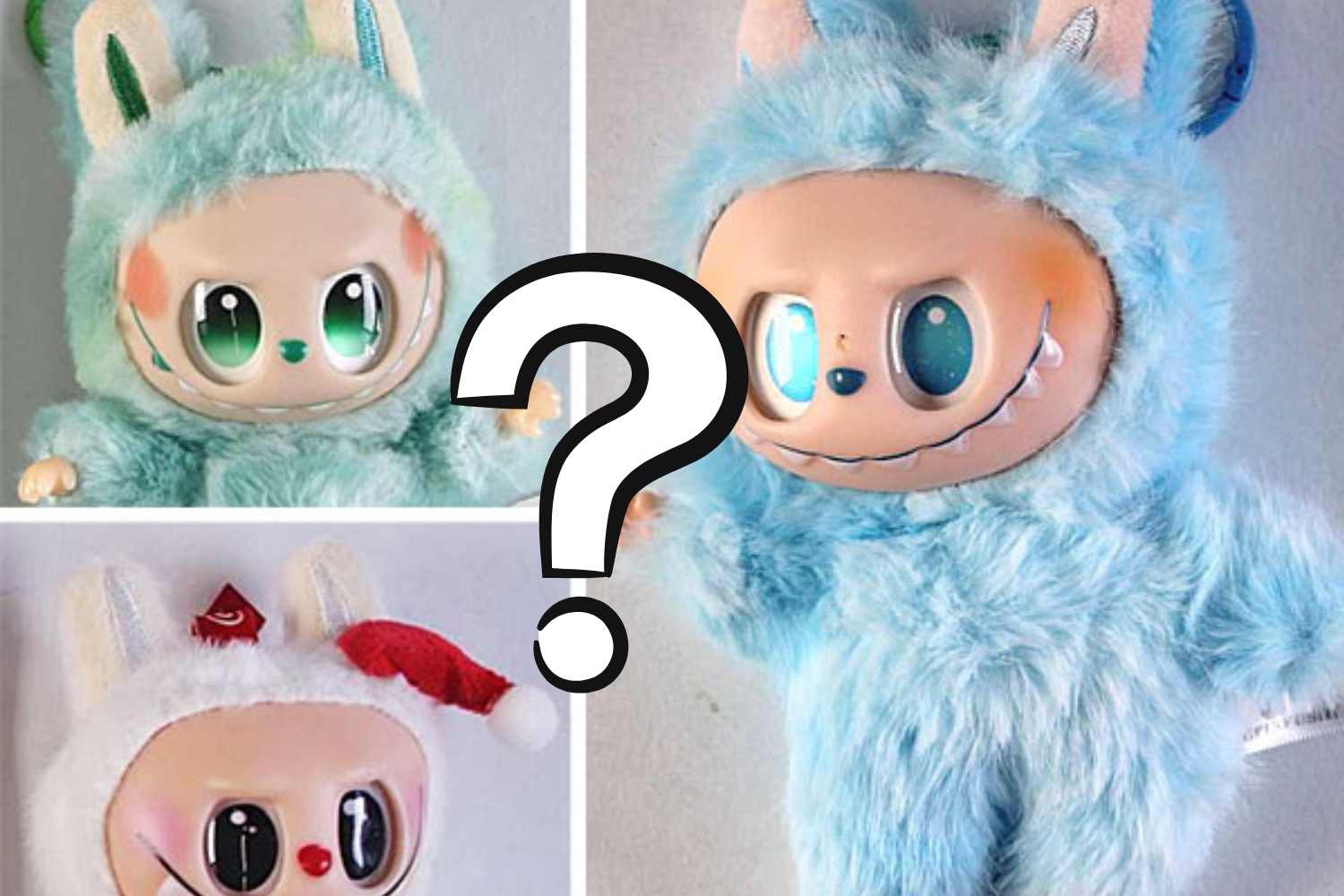
For those who appreciate the genre, they are irresistible, you can find them everywhere and they are the phenomenon of the moment among the little ones (not to mention that many adults love them too). We are talking about the famous Labubu and Lafufu plush toys which, however, according to a new German investigation, contain chemical substances that are dangerous for health, especially reproductive health.
The alarm was raised by the CVUA of Stuttgart, the German central laboratory for consumer goods, which analyzed 5 of these popular stuffed monsters. The result? 4 contained alarming levels of banned phthalates, with concentrations up to 340 times the permitted limit.
It should be noted that it is not clear whether the soft toys analyzed were original Labubu or Lafufu products (imitations), which have already come under scrutiny several times for detachable parts and other dangerous defects.
What are phthalates and why are they so dangerous
Phthalates are chemical substances used as plasticizers to make PVC plastic soft and elastic, the material from which the feet, hands and faces of these cute monsters are made. The problem is that not all phthalates are harmless.
In particular, DEHP (di(2-ethylhexyl) phthalate) and DBP (dibutyl phthalate) were found in the soft toys analyzed, both classified as dangerous substances with reproductive toxicity. This means that they are considered probably harmful to human reproduction and are also suspected of being harmful to the liver.
In the most contaminated sample, the concentration detected was 34 grams per 100 grams of plastic, when the maximum limit allowed is only 0.1 grams. A staggering figure.
The label trick: decorations or toys?
There is another worrying aspect that emerged from the investigation. All the soft toys examined carried indications on the packaging that classified them as “decorative objects” intended for people aged 15 and over. A trick that allows manufacturers to circumvent the more stringent regulations for toys.
But anyone who has seen these colorful soft toys knows full well that they are designed to appeal to children. They are soft plush toys, they have funny faces and can be played with. For this reason, German researchers have rightly classified them as toys, subjecting them to the strictest safety requirements required by law for products intended for children under 14 years of age.
The good news is that there are alternative and much safer plasticizers, such as citrates or polyadipates, which are also released less easily from the plastic material. The technology to produce safe toys is there, all that is missing is the will to use it.
The Stuttgart laboratory declared the contaminated products unsuitable for sale (however, the details of the products are not known, whether they were original Labub or not) and sent the reports to the competent authorities for appropriate measures. In the meantime, it will continue to monitor the situation by testing other similar soft toys and plastic toys.
If you have already purchased one of these little monsters, the advice is to keep it away from small children, who tend to put everything in their mouth, facilitating the absorption of these harmful substances. Better yet, contact the store where you bought it and ask for information on the origin and compliance of the product.
This story reminds us once again how important it is to always check the origin of the toys we buy for our children and to be wary of products that are too cheap or of dubious origin.
