
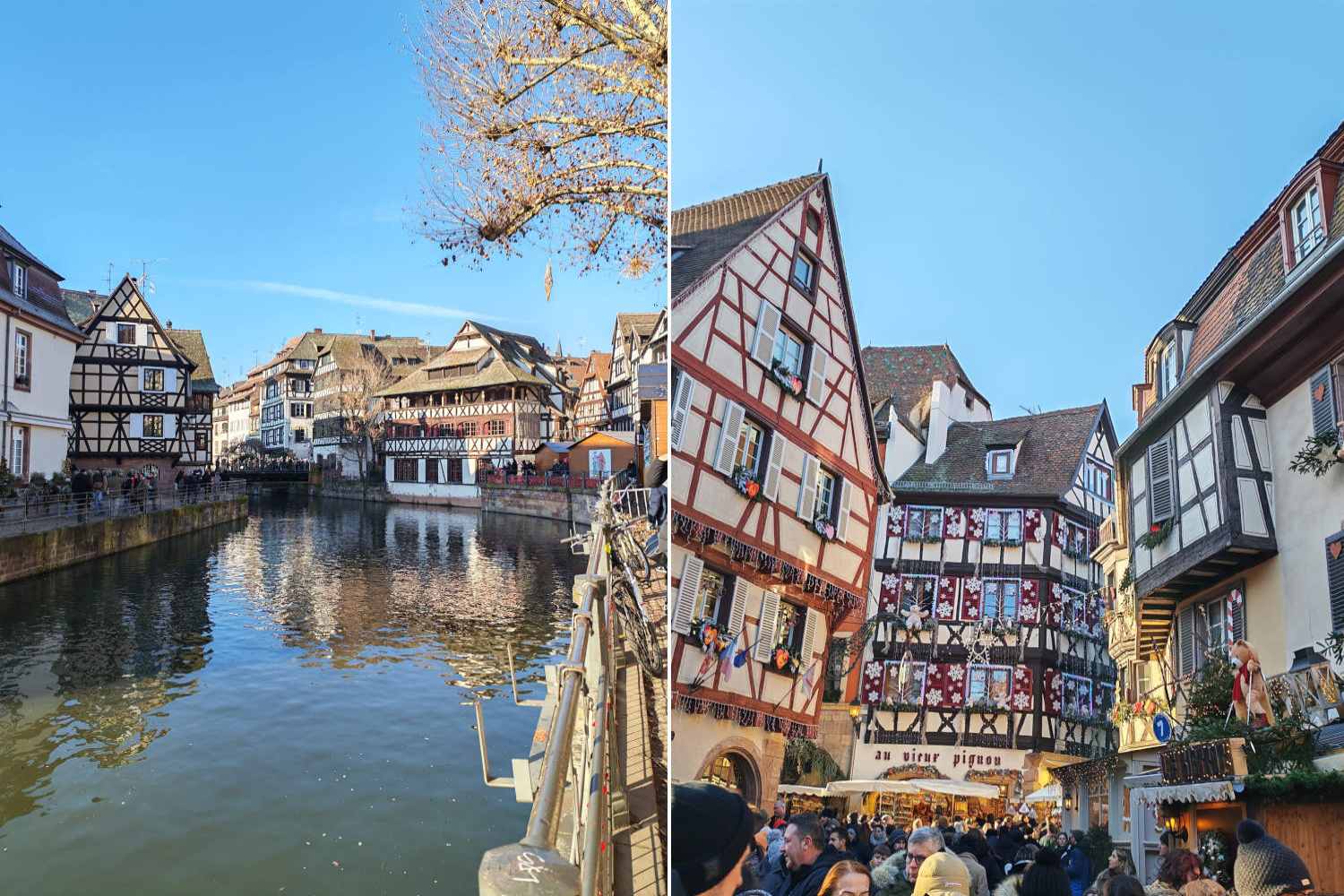
A three-day tour between Alsace and the Black Forest is a total immersion in postcard landscapes, medieval villages, half-timbered houses, tidy vineyards and atmospheres that seem to come out of a picture book. This itinerary is designed for those who love to travel slowly, alternating large cities and historic villages, without giving up good food, markets and authentic views. A journey that I experienced myself in a camper during the Christmas holidays and that I loved deeply, with these dream places immersed in an even more magical atmosphere among markets and themed decorations.
Day 1 – Gengenbach and Strasbourg: from the Black Forest to Alsace
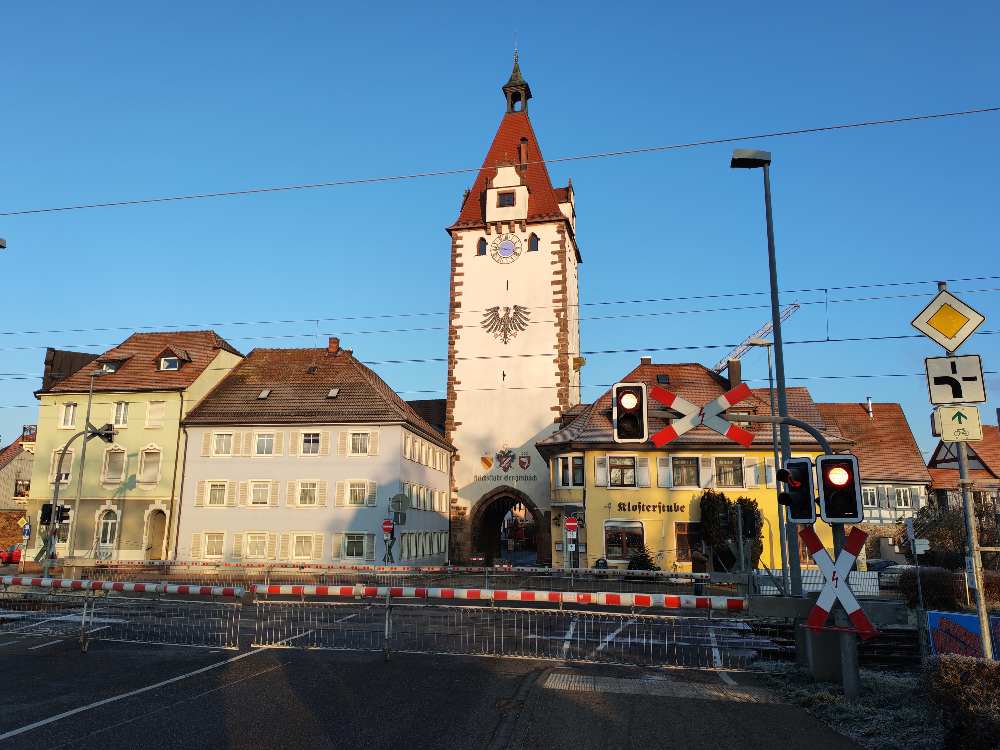
The itinerary started from Gengenbach, a small jewel of the German Black Forest, often less mentioned than Alsatian destinations but capable of surprising. Its historic center is a concentration of defensive towers, cobbled alleys and perfectly preserved half-timbered houses. The beating heart is the Marktplatz, dominated by the town hall which, during the Christmas period, transforms into the largest Advent calendar in the world. Even out of season, the square remains one of the most evocative places in the village.
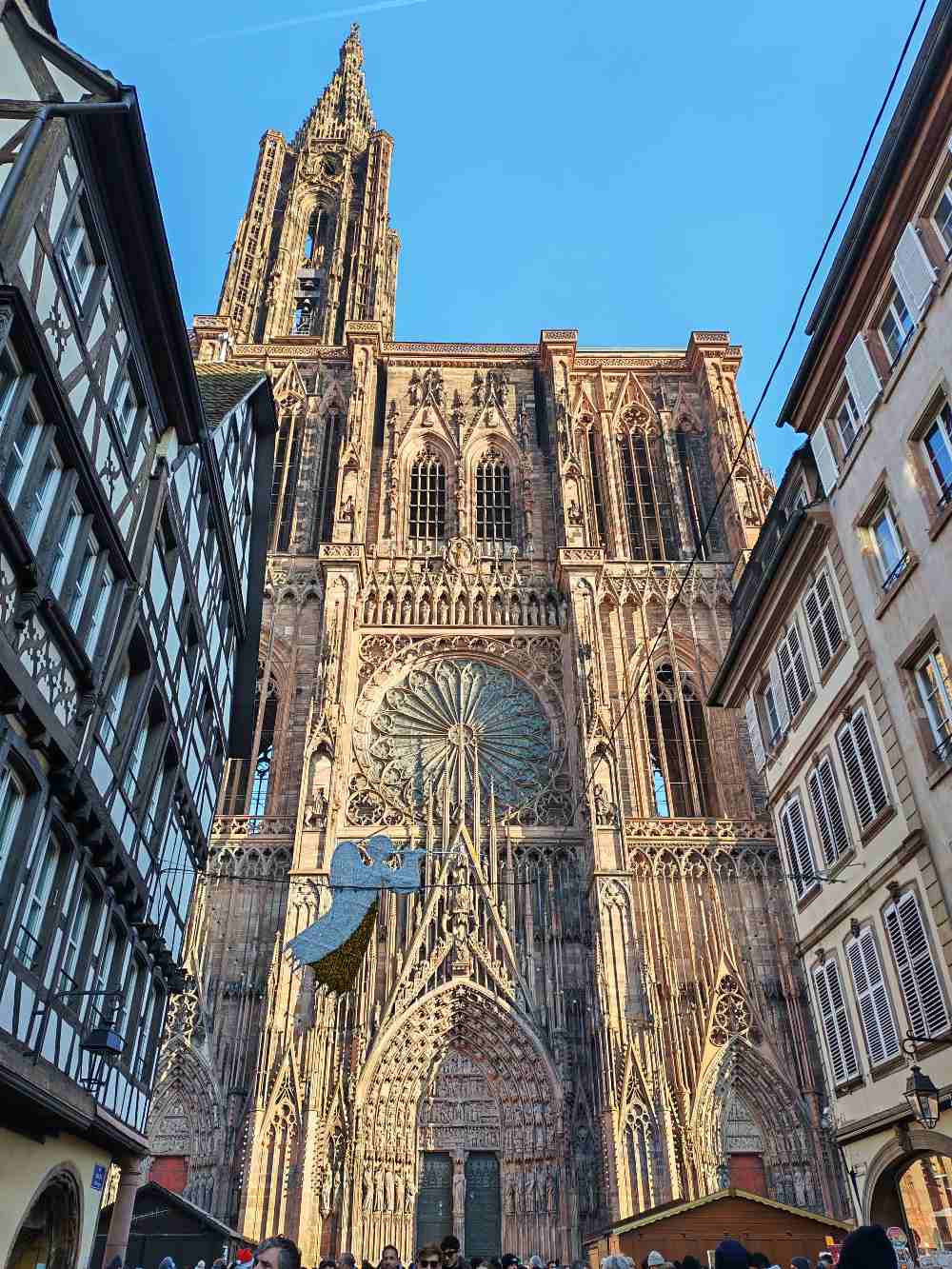
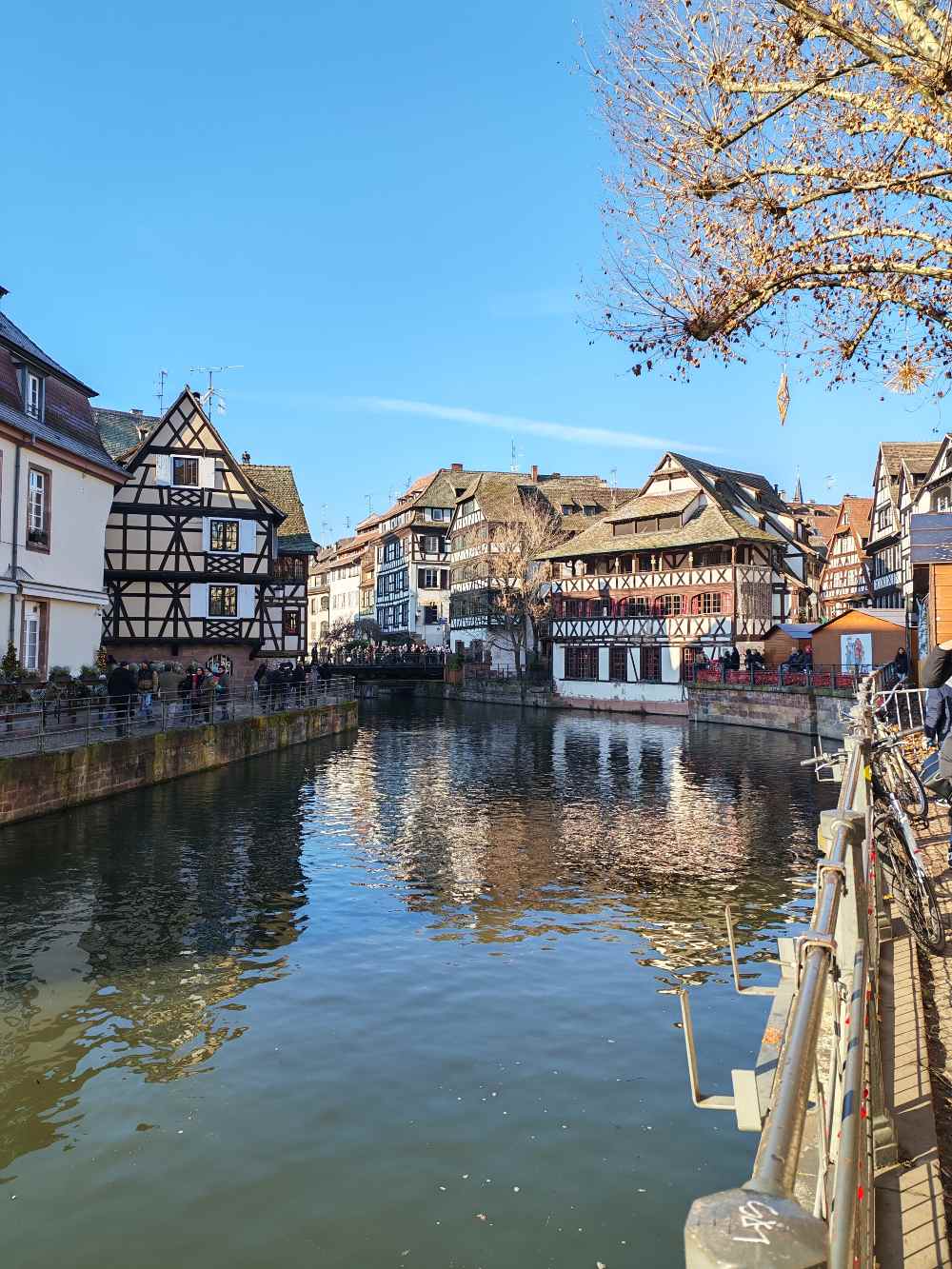
After a walk through Hauptstraße and the side streets, we continued towards Strasbourg, crossing the border into France. To avoid anti-pollution bans you can park at Kehl station and reach the city in a few minutes by tram. Capital of Alsace, Strasbourg combines French soul and Germanic influences. The historic centre, the Grande Île, is a UNESCO heritage site and can be easily visited on foot. Not to be missed is the Notre-Dame Cathedral, a Gothic masterpiece that dominates the city, as well as the Petite France district, with canals, covered bridges and ancient mills. The evening is perfect for a dinner in a traditional winstub, tasting tarte flambée and local white wines.
Day 2 – Ribeauvillé, Riquewihr and Kaysersberg: the Route des Vins
The second day we dedicated to the famous Route des Vins d’Alsace, one of the most fascinating food and wine itineraries in Europe. Bare during the winter season, we imagined it in the heart of the harvest and it reminded us closely of the Langhe and the Euganean Hills.
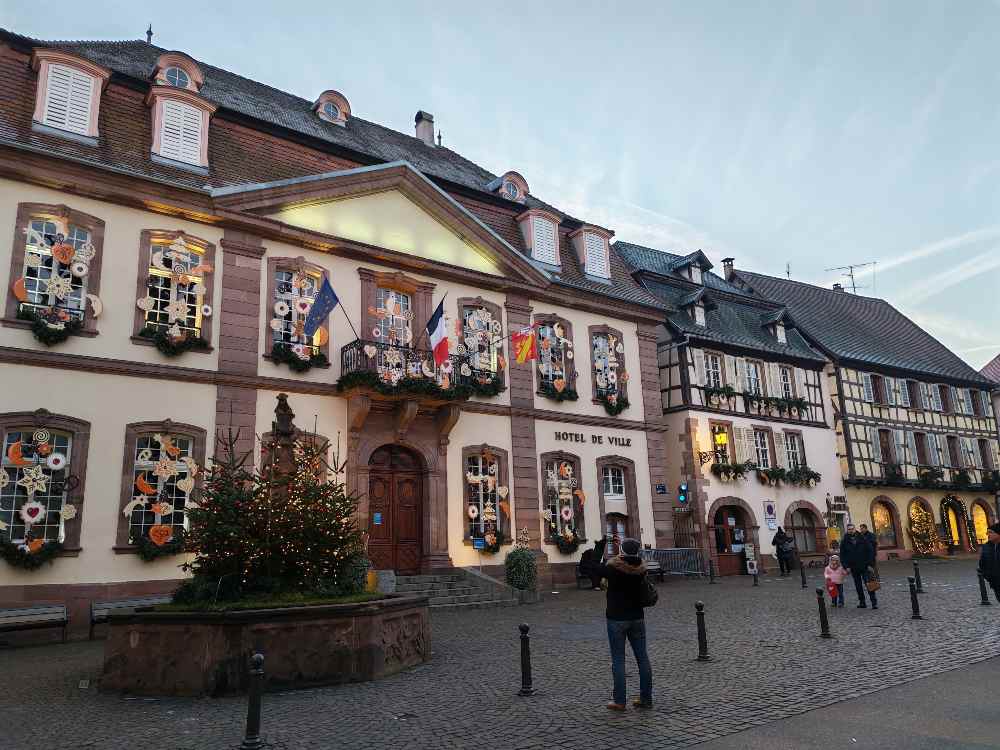
The first stop was Ribeauvillé, an elegant and lively village, developed along the Grand Rue. Its colorful facades tell of a long wine and musical tradition, so much so that the town is known as the pipers’ village. The Lords of Ribeauvillé were in fact considered the “Kings of minstrels, pipers and troubadours”. Legend has it that one day a desperate piper showed up at the castle without his instrument, risking losing his livelihood for himself and his family. The Lord of Ribeauvillé, as a sign of generosity, gave him a bag of coins. Shortly afterwards, the piper returned with a golden instrument, followed by a long line of artists: trumpeters, drummers, jugglers and tamers. In gratitude, the minstrels proclaimed him king. From the center you can also see the medieval castles that watch over the surrounding hills.
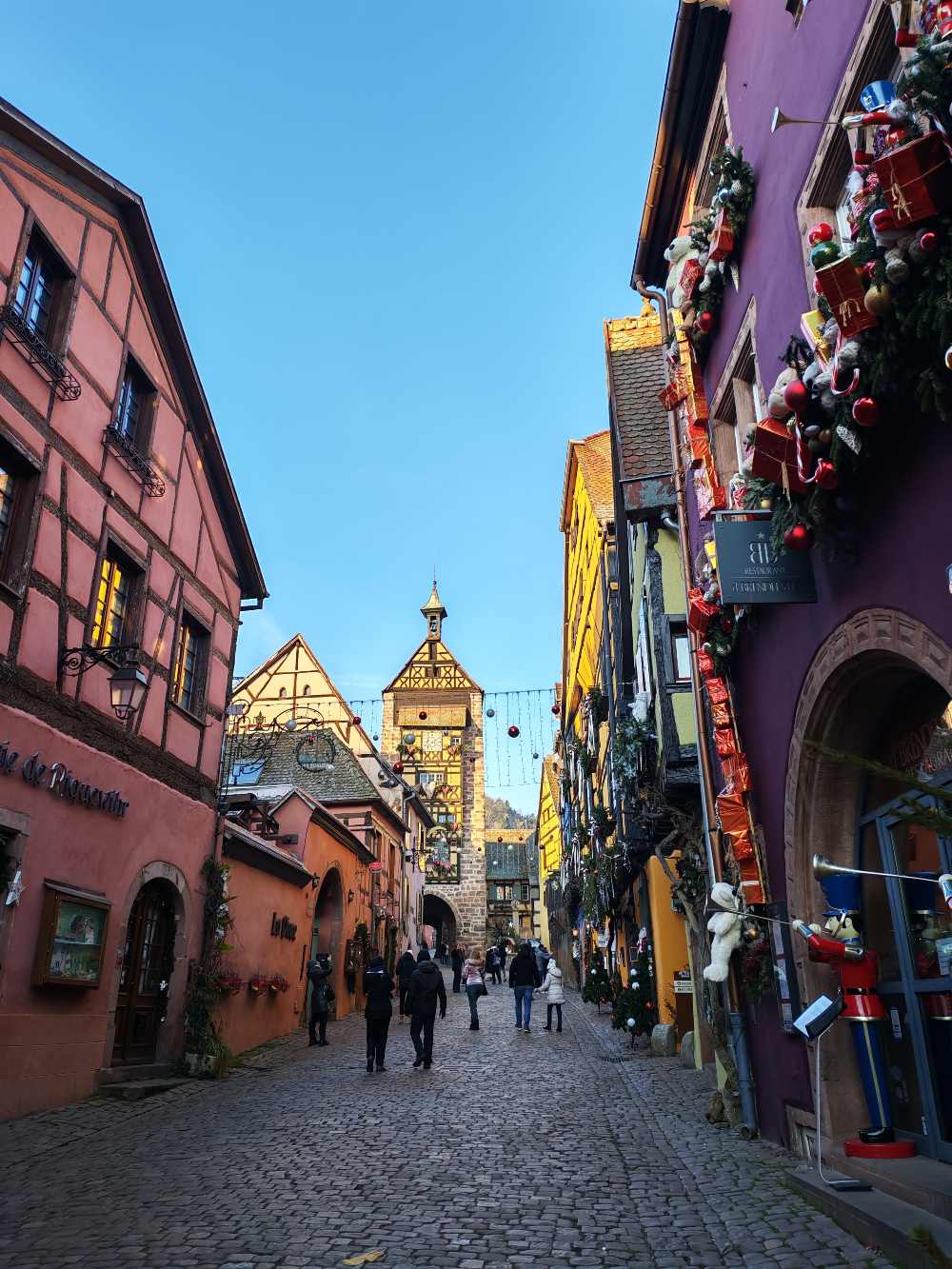
A few kilometers further south you reach Riquewihr, considered one of the most iconic villages in Alsace. Enclosed by fortified walls, it is famous for its 16th-century half-timbered houses and an atmosphere suspended in time. Walking along the Rue du Général de Gaulle you come across artisan shops, historic cellars and continuous photographic glimpses. The Dolder Tower, the ancient entrance gate to the village, offers a privileged view of the vineyards surrounding the town. Disney fans will recognize it immediately: in fact, the designers took inspiration from this very village to create Belle’s village Beauty and the Beast.
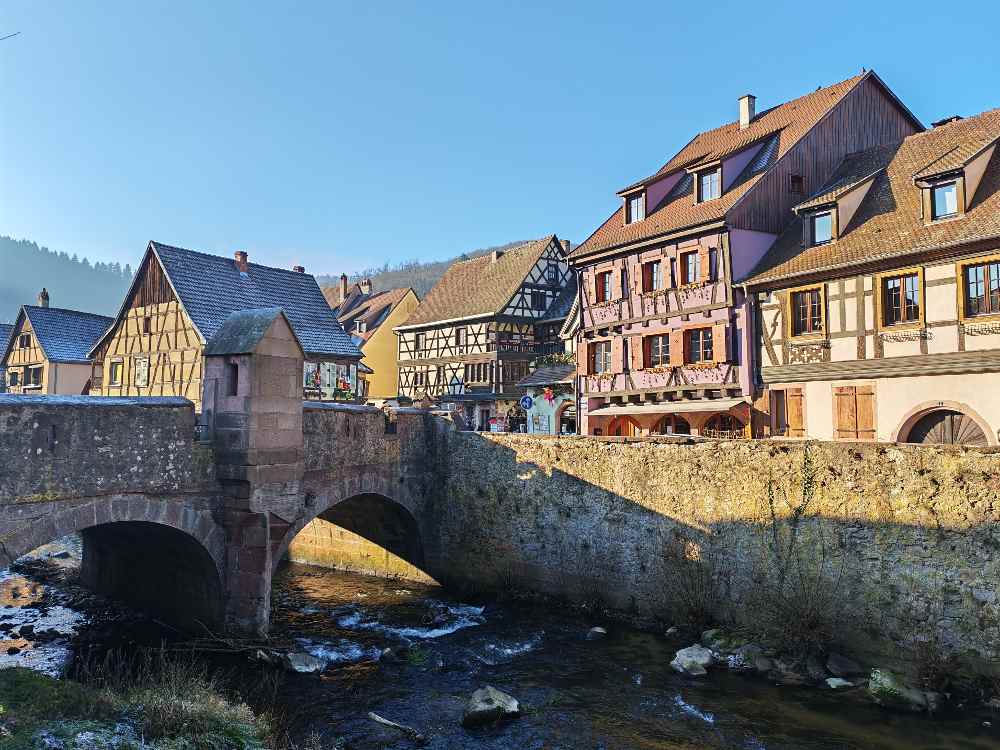
In the afternoon we continued towards Kaysersberg, a village with a more rustic but extremely authentic soul. Here the protagonist is the fortified bridge that crosses the Weiss river, framed by stone and wooden houses. The center is intimate but full of details: fountains, medieval arches and romantic corners along the canals. Kaysersberg is also known for its well-kept markets and for less touristy crafts than other villages.
Day 3 – Colmar, Turckheim and Eguisheim: the most iconic Alsace
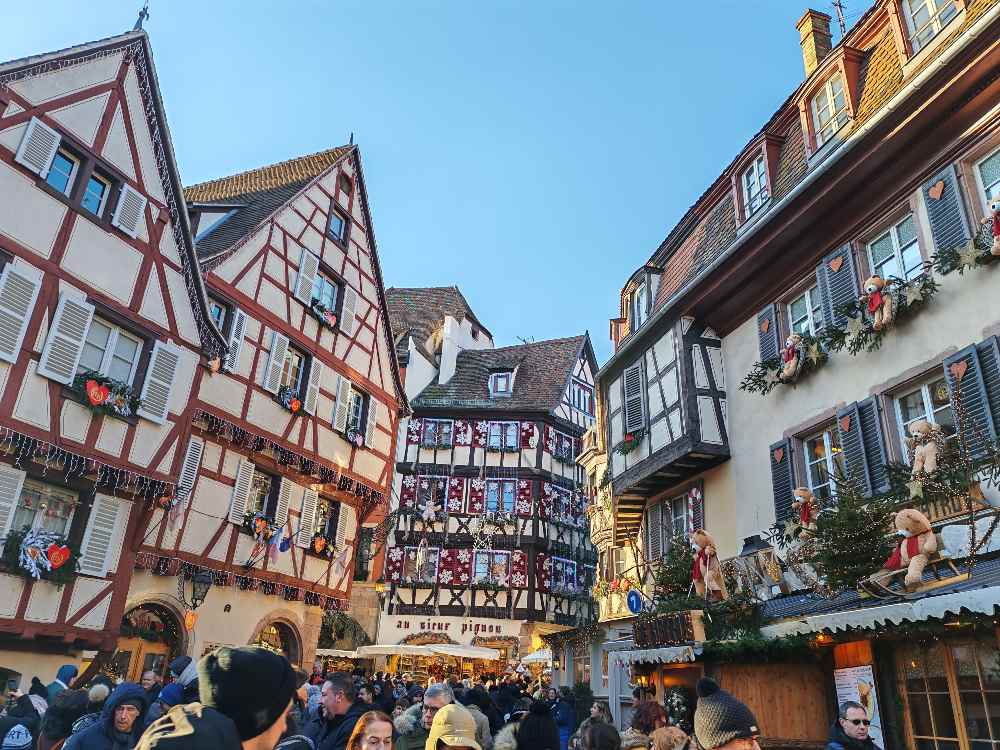
The third day opens with Colmar, the symbolic city of Alsace. Larger than the villages, but still on a human scale, Colmar enchants with the Petite Venise, a neighborhood crossed by canals that resemble our Venice and pastel-colored houses that are reflected in the water. The historic center is a succession of medieval squares, museums and shops. Between one visit and another, it is worth stopping for a sweet break in a traditional pastry shop or for a typical lunch.
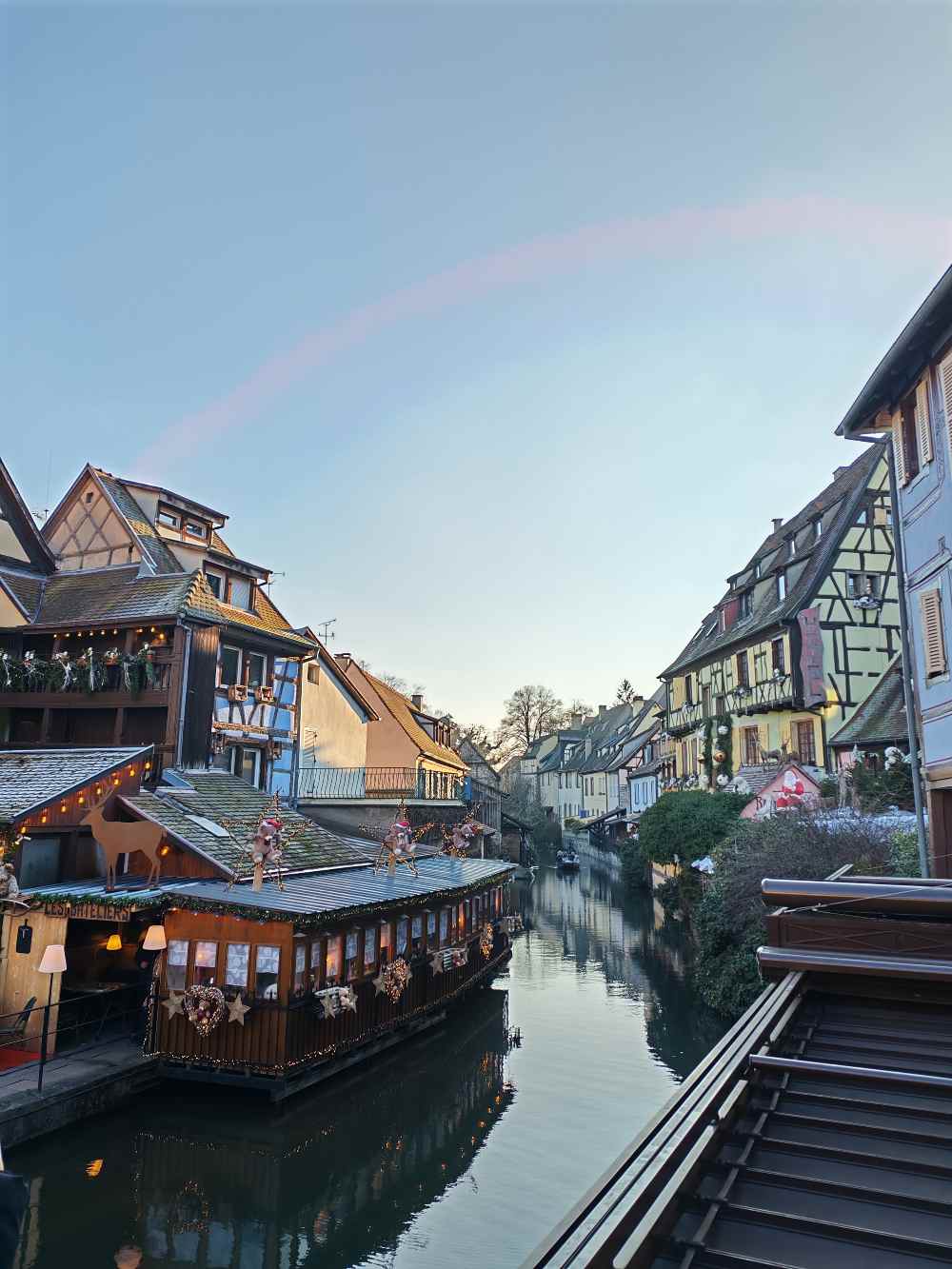
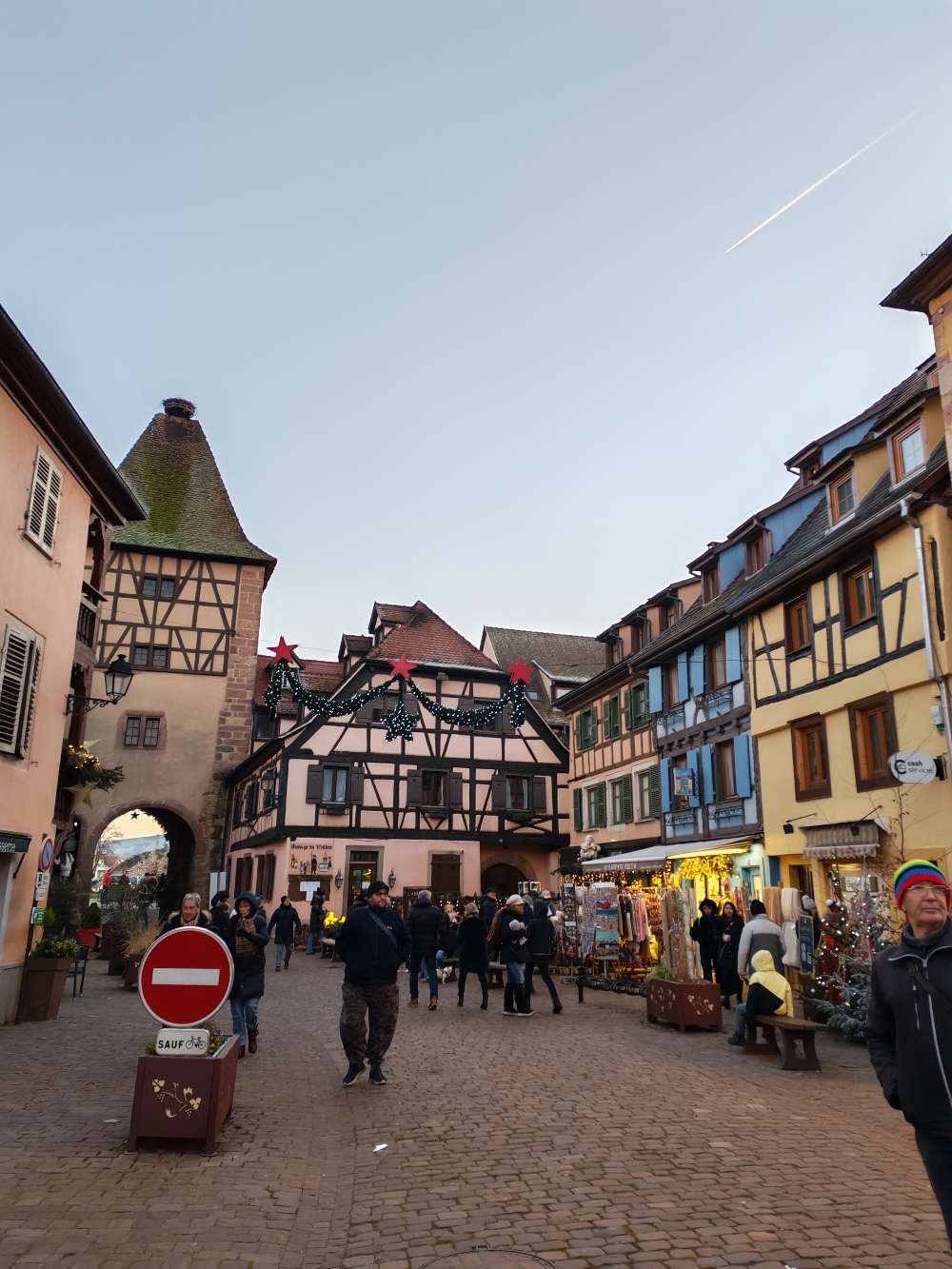
After leaving Colmar, you reach Turckheim, often underestimated but surprising. This village still retains a good part of its medieval walls, interspersed with monumental gates such as the Porte de France and the Porte du Brand, which once regulated access to the city. Crossing them means symbolically entering another rhythm, where history is not relegated to museums but lives in everyday spaces: in the stone fountains, in the internal courtyards, in the half-timbered facades that proudly show the signs of the past.
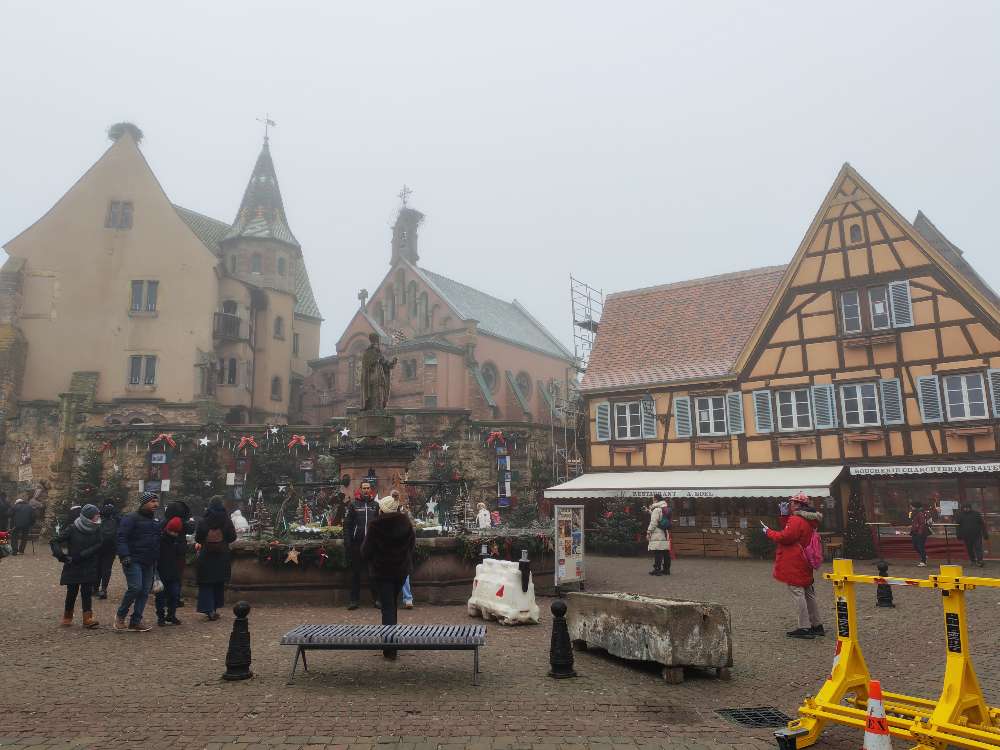
Last stop before returning to Italy is Eguisheim, considered one of the most beautiful villages in France. Its concentric circle structure makes it unique: colorful half-timbered houses, flower-filled balconies and intimate squares create a memorable sight. Eguisheim is also the village of storks, the symbol of Alsace, often visible on the roofs and bell towers. It is the ideal place to end the journey slowly, perhaps toasting with a glass of Alsatian wine at sunset.
You might also be interested in:
