
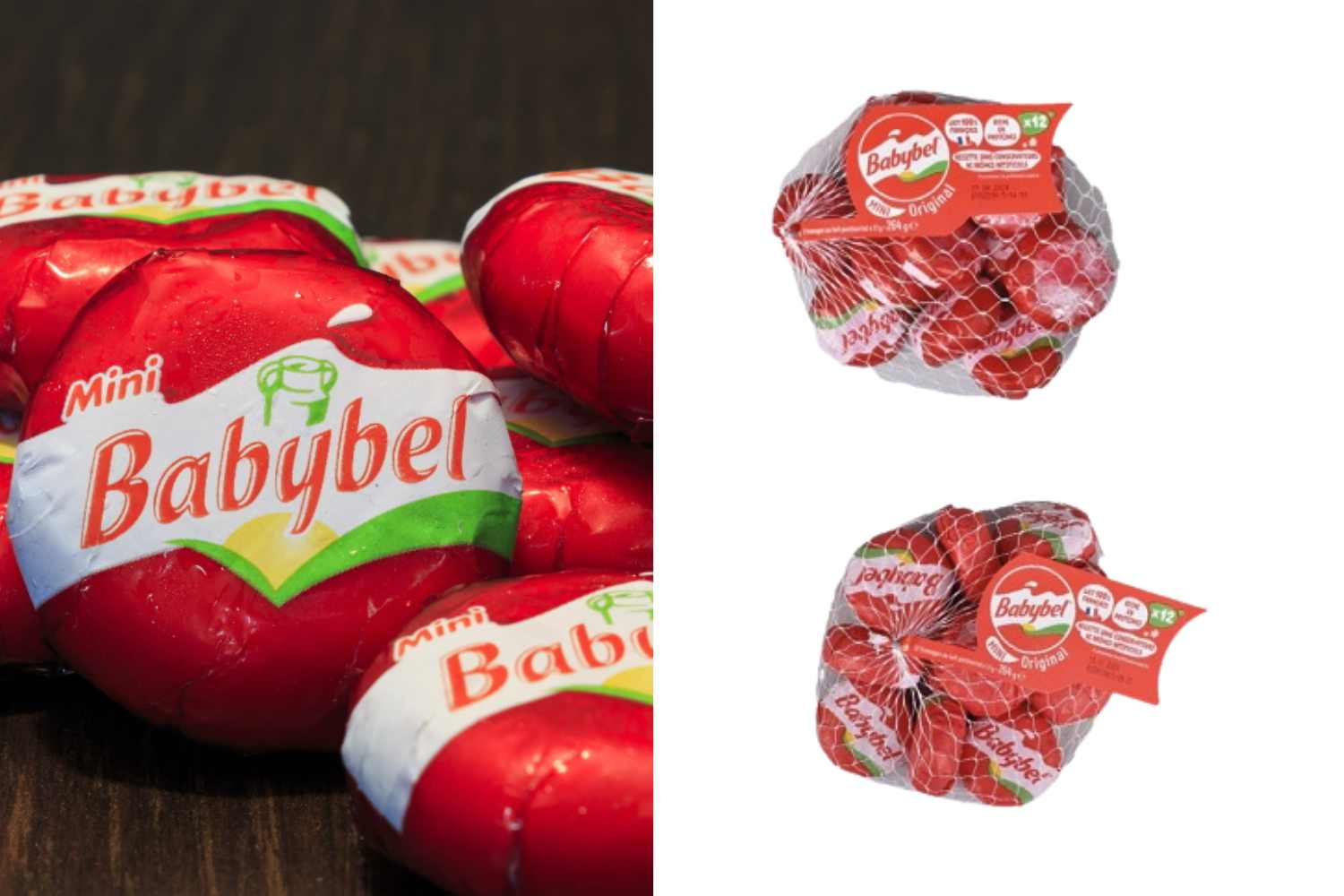
A major change is about to affect one of the most recognizable snacks on supermarket shelves. Babybel, the French brand famous for its round cheeses wrapped in the iconic red wrapper, has announced a transformation of its packaging that will gradually affect all world markets.
The Bel Group, the company that owns the brand, has confirmed the transition from traditional cellophane to recyclable paper packaging. A choice that is part of a broader plan to make all of its packaging recyclable or compostable at home by 2030.
The new packaging is already available in the United Kingdom, while it will arrive in the United States, Canada and northern European countries during 2026. For Australia we will have to wait until at least 2027, the year in which all Babybel products made in the group’s five factories and distributed in 50 countries will have completed the transition to paper from responsible sources.
This move is not a sudden initiative. Already in 2020 Babybel had introduced a biodegradable and compostable cellophane at home, demonstrating a growing attention to environmental sustainability. The transition to paper is the result of years of research and development, necessary to ensure that the new material maintains the preservation properties of the cheese unaltered.
A significant environmental impact
The transition numbers are relevant. According to what was communicated by the company, the new packaging will lead to a 60% reduction in plastic for each product net. Estimates speak of a saving of 2,550 tonnes of CO2 emissions, an amount equivalent to the absorption capacity of 100,000 trees.
The paper used will be certified and come from responsible sources, with guaranteed traceability of the raw material and sustainable forest management.
Product quality and technical challenges
As a spokesperson for the group underlined, it is “a structural transformation” that goes far beyond the simple change of material. The packaging must in fact preserve the quality of the product, guarantee microbiological safety and resist temperature variations. The transition required rethinking the entire system of protecting the cheese from humidity and oxygen, ensuring stability during transport.
For this reason, the red wax shell will remain unchanged, it is essential to protect the integrity and taste of the cheese, acting as a direct protective barrier in contact with the product and preserving its freshness for up to 8 hours outside the refrigerator. The paper exclusively replaces the external layer that surrounds the wax, acting as a protection and handling element without altering the characteristics of the product.
The news received positive comments on social media, where users appreciated the brand’s choice. This initiative responds to the modern needs of consumers, who are increasingly attentive to the sustainability of what they buy.
