
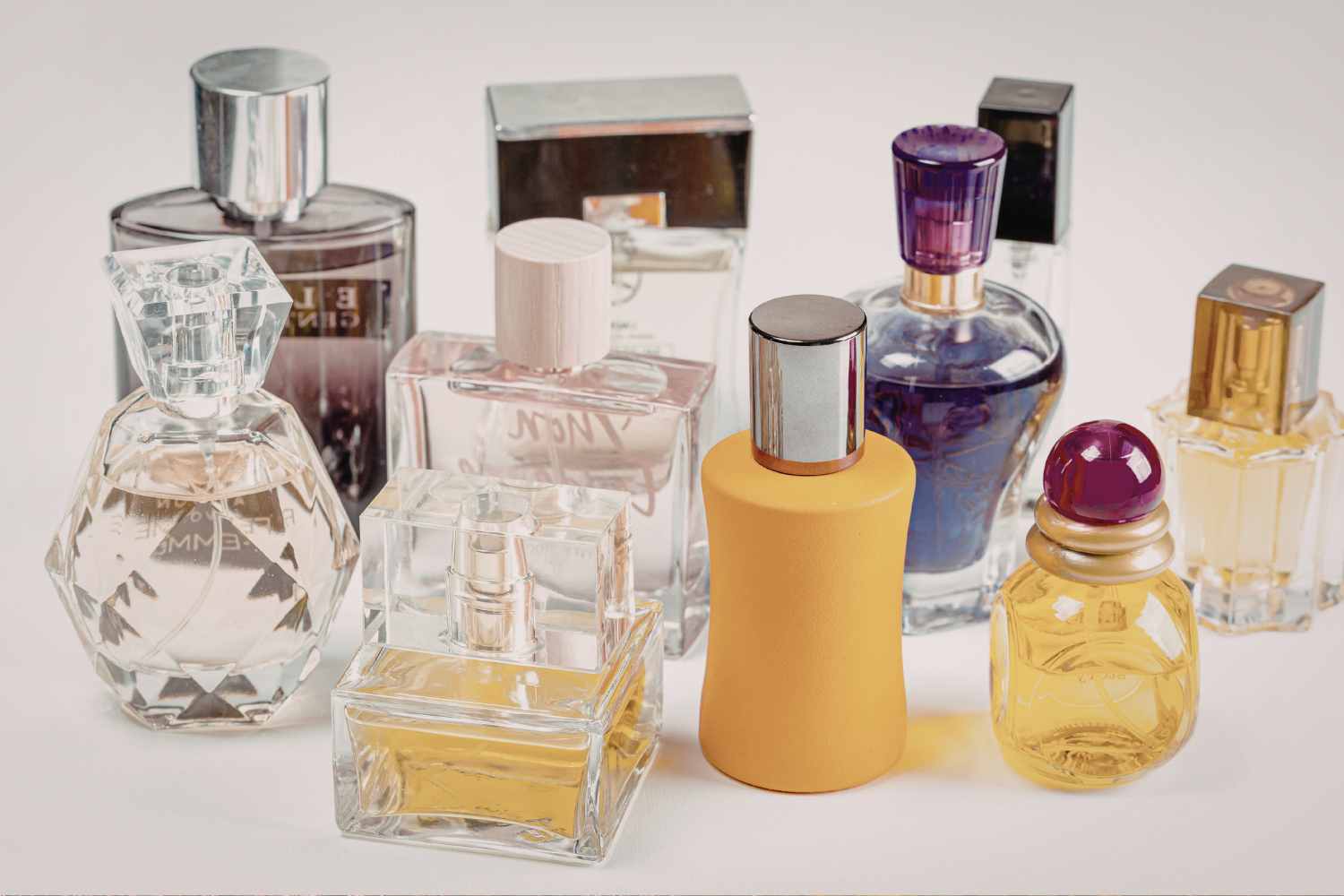
Equivalent perfumes have long since ceased to be the poor cousin of luxury fragrances and today they can walk around with their heads held high, boasting a renewed status that configures them as a smart, accessible and surprisingly coveted alternative.
They also cost ten times less than the originals, a detail that makes many people’s eyes shine and purists turn up their noses. The problem is that, between amazing promises and unsuccessful copies, the step from a good opportunity to bitter disappointment is short.
Therefore, it is better to know in advance where the most common mistakes could lie during the purchasing phase, so as to avoid them elegantly, without any regrets whatsoever.
Confusing equivalents with counterfeits
The first and most serious mistake is not knowing how to distinguish between legal equivalent perfumes and counterfeit products. The equivalents are legal fragrances that are inspired by the olfactory compositions of famous perfumes, but use different names and original packaging. Counterfeits, on the other hand, illegally copy the brand and packaging of the original products.
Equivalent perfumes comply with European cosmetics legislation and display the complete list of ingredients (INCI), batch number, expiry date and manufacturer references on the packaging. Counterfeits lack this information or report it incompletely. Purchasing counterfeit products exposes you to health risks, as these items may contain unauthorized or allergenic substances in dangerous concentrations.
Choose based on price alone
The second common mistake is to orient the choice solely on the lowest price. In the market of equivalents there are different quality ranges, and excessive saving often leads to a lower olfactory yield.
Equivalent low-end perfumes use lower-quality alcohol and cheap synthetic essences, which tend to evaporate quickly. Persistence on the skin can last just a couple of hours. The mid-range products, despite costing a few euros more, guarantee a duration of 4-6 hours and a decidedly superior olfactory quality. It is worth investing a little more to get a satisfactory product.
Expect an identical replica
Many buyers are disappointed because they expect the equivalent perfume to 100% replicate the original fragrance. This expectation is unrealistic. Luxury perfume manufacturers use selected raw materials and formulas protected by industrial secrecy.
Equivalent perfumes are based on olfactory analyzes that identify the dominant notes and try to recreate them with alternative ingredients. The result is a similar, but not identical, fragrance. The similarity can vary from 70% to 90%, depending on the quality of the product. Anyone looking for an absolute match will inevitably be dissatisfied.
Ignore the concentration of the fragrance
The concentration of perfumed essences determines the intensity and persistence of the perfume. The products are classified into Eau de Cologne (2-5% essences), Eau de Toilette (5-15%), Eau de Parfum (15-20%) and Parfum (over 20%).
Many buyers compare the price without checking the concentration. An equivalent Eau de Toilette cannot be compared to an original Eau de Parfum, even if inspired by the same fragrance. For a fair comparison, products with the same concentration must be considered. An equivalent Eau de Parfum version costs more than the Eau de Toilette version, but offers greater intensity and durability.
Buy without testing
The last mistake is buying equivalent perfumes online without first testing them on your skin. Each person has a different skin chemistry, which interacts with odorous molecules, modifying olfactory perception.
A fragrance that is pleasant on a friend could develop different notes on our skin. Serious retailers offer samples or the opportunity to test products in store. This opportunity must be exploited by applying the perfume on the wrist and evaluating its evolution over a few hours. Only in this way can it be verified whether the fragrance is truly pleasant and persistent.
