
Google Maps is preparing to change its skin with what the company defines the biggest update of the last decade. This is not a simple graphic restyling but a profound evolution that combines three-dimensional maps, artificial intelligence and new navigation functions designed to make movement more intuitive.
The first evident novelty is the Immersive navigationa mode that transforms the classic map into a much more realistic three-dimensional representation. Thanks to Street View datathe app manages to reconstruct buildings, overpasses and surrounding landscapes in great detail. The result is a view that makes it easier to orient yourself, especially when driving in unfamiliar places. The new interface also highlights key road elements such as lanes, pedestrian crossings, traffic lights and stop signsoffering drivers a clearer reading of the route.
Smarter and less stressful navigation
The change does not only concern the graphic aspect. Google has also introduced a series of features designed to improve the driving experience. Among these there is one more natural voice guidanceaccompanied by instruments such as intelligent zooms and transparent buildingswhich allow you to visualize upcoming maneuvers in advance, including complex turns or lane changes.
The navigation system also continues to analyze a huge amount of traffic data. According to Google, Maps receives over five million traffic updates every secondallowing you to suggest alternative routes in real time.
The interesting news is that the app no longer limits itself to indicating the fastest route. Now also explain the compromise between speed and trafficleaving the user the choice between a faster route or a slightly longer but less congested one. In addition, drivers can visualize their destination in advance using Street View images and receive useful tips, such as where to park once you arrive.
Ask Maps: the Gemini-based travel assistant
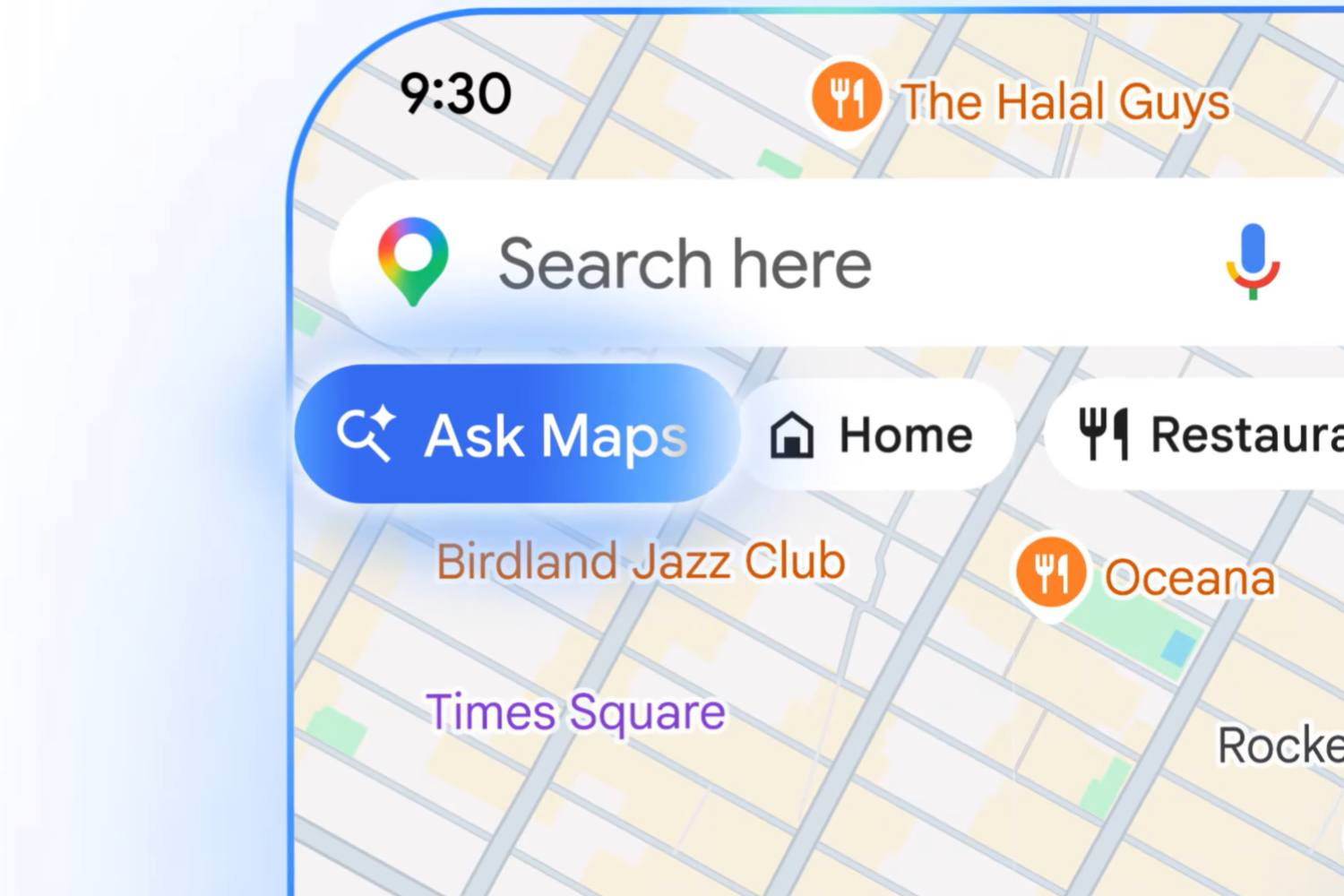
The other great innovation is Ask Mapsa function that uses GeminiGoogle’s artificial intelligence. In practice, Maps becomes an assistant with which to communicate: users can ask even very specific questions about places, activities or restaurants.
AI can analyze information from the web and the app’s gigantic database, which matters over 300 million placesin addition to reviews of more than 500 million users. This allows you to receive much more personalized responses. Ask Maps can, for example, suggest places suitable for a dinner with friends, indicate places with available tables or organize a complete itinerary for a multi-day trip.
For now the function is available in United States and India on Android and iOSbut Google has already announced that it will be progressively extended to other countries and platforms. With these innovations, Google Maps is increasingly transformed from a simple navigator to intelligent platform capable of guiding, advising and planning entire trips.
