
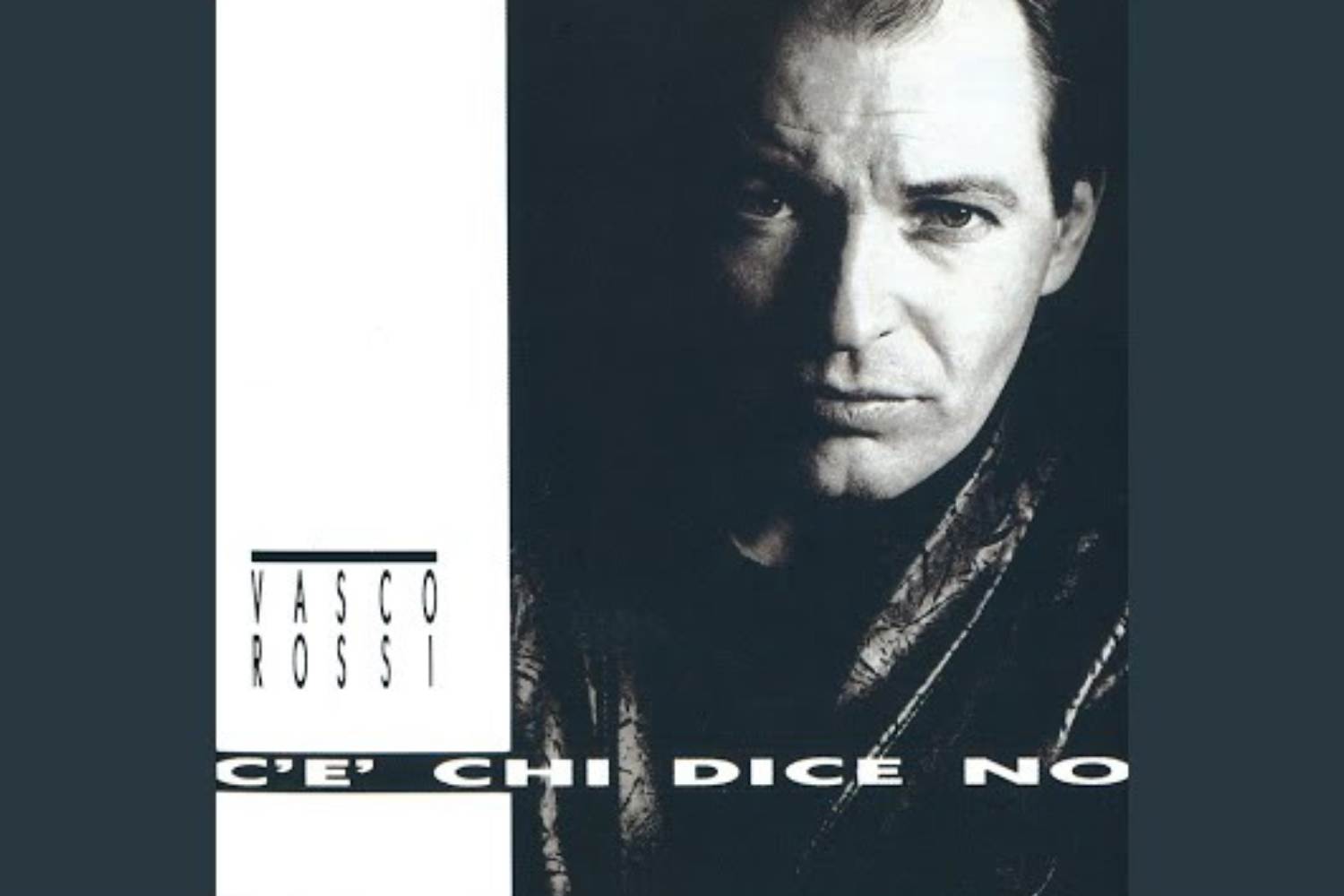
March 19th is not only Father’s Day, but also a fundamental date for Italian music. Exactly 39 years ago, on March 19, 1987, Vasco Rossi released his eighth album of unreleased songs, C’è chi dice no, a record that marked a turning point in the history of Italian rock. With this album, Vasco won over critics and the public, consolidating his role as a music icon. There are those who say no, it has sold over a million copies, becoming a timeless classic.
“There are those who say no”: an album that is always current
On 19 March 1987, ten years after his debut and five years after his participation in Sanremo with Vado al massimo, Vasco Rossi launched C’è chi dice no, an album that would remain at the top of the charts for twelve weeks. A necessary album, full of rebellion and romanticism, which ranges from wild rock songs like Monday to more dreamy ones like Vivere una favola. With eight tracks, the album tells different emotions and intense stories.
In particular, Brava Giulia offers a new look at the female world: Giulia is not the fragile Sally nor the Laura of Vita spericolata; she is a determined woman, ready to live the life she has chosen.
The title track, C’è chi dice no, is a direct and decisive piece that does not slip into sentimentality. He talks about the superficiality, frenzy and hypocrisy that permeate society, but Vasco Rossi, as always, has no doubts about which side he is on. With this song, Vasco launches a cry of rebellion against conformity and the fear of facing reality, a message that is more relevant today than ever.
The song, lucid and mature, is an invitation not to remain indifferent, to say no to apathy and not to be overwhelmed by fear. There are those who say no is a hymn to resistance, a collective cry that encourages us not to remain silent and to feel less alone, in a world that often seems lost.
Text
Vasco Rossi’s text, set to music by Maurizio Solieri, leaves no room for different interpretations and suggestions: on the one hand there are those who choose to be the wind, on the other those who are content to be the flag. In the middle, a reality that pushes us not to fight, to let ourselves be overwhelmed by the waves, not to offer resistance.
There’s something wrong
In this sky
There is someone
Which he doesn’t know
More than hours
There are those who say here
There are those who say there
I’m not moving
There are those who say there
There are those who say here
I’m not there
Many people are convinced that there is an afterlife
Something, who knows
How many people will there be anyway
Which he will be satisfied with
There is someone
Which he doesn’t know
More what a man is
There is someone
Which it doesn’t have
Respect for anyone
There are those who say no
There are those who say no
I’m not there
There are those who say no
There are those who say no
I’m not moving
Many people are convinced that there is an afterlife
Who knows what and who knows
How many people will there be anyway
Which he will be satisfied with
There are those who say no
There are those who say no
I’m not moving
There are those who say no
There are those who say no
I’m not there
There are those who say no
There are those who say no
I don’t believe it
There are those who say no
There are those who say no
I am a man
(There are those who say no, there are those who say no
There are those who say no, there are those who say no
I’m not moving)
(There are those who say no, there are those who say no
There are those who say no, there are those who say no)
(There are those who say no, there are those who say no
There are those who say no, there are those who say no
I’m not there)
(There are those who say no
There are those who say no
I’m not moving)
(There are those who say no, there are those who say no
There are those who say no, there are those who say no)
Video
Don’t want to miss our news?
You might also be interested in:
