
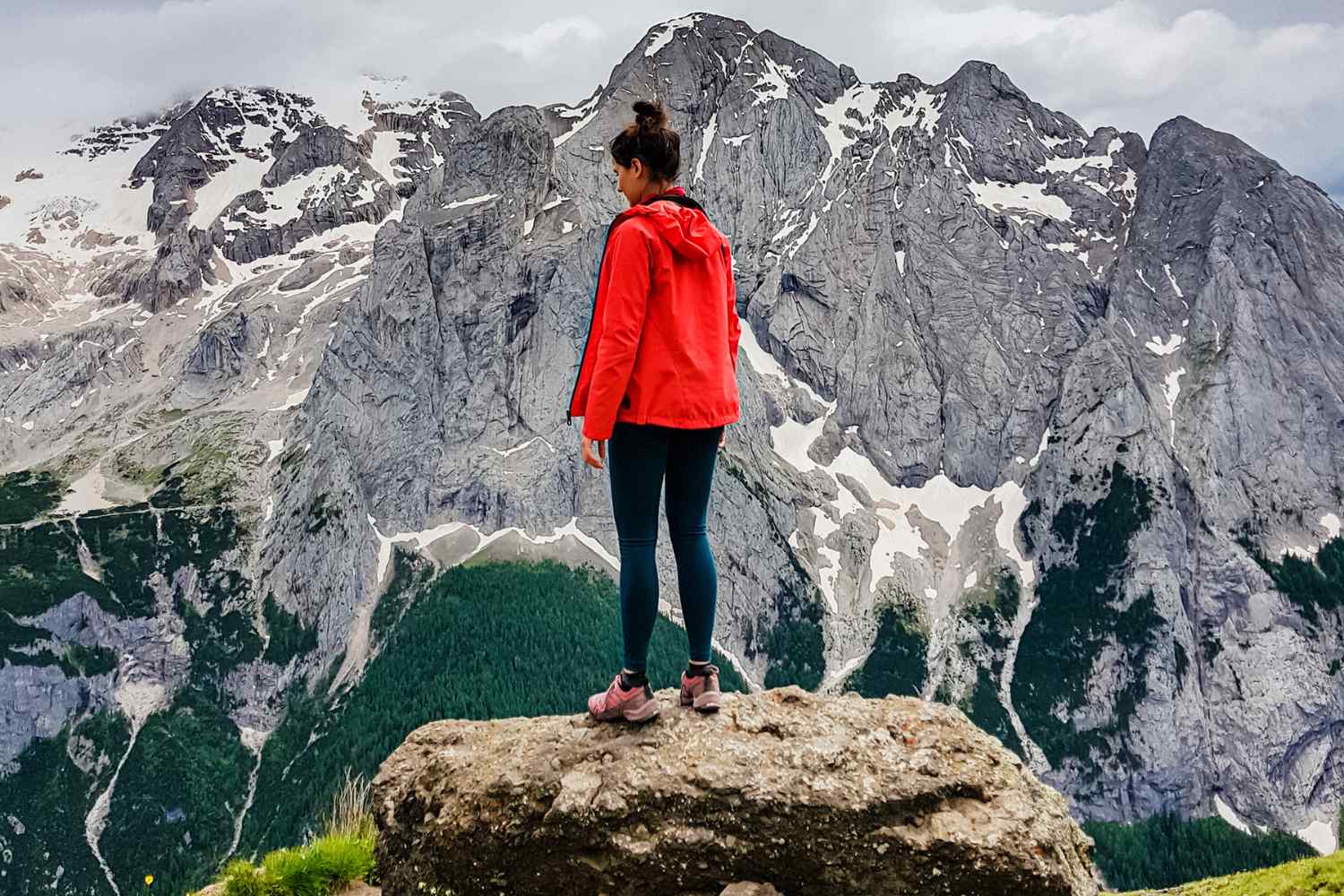
In recent months, between TikTok and X, a curious but disturbing term has spread: “Alpine divorce”. She points to a situation increasingly reported online, in which a woman is left behind by her partner during a mountain hike, often in difficult or even dangerous conditions. It’s not just an argument along the trail, but a real abandonment, which can turn a day outdoors into a traumatic experience.
Viral stories and real fear
The testimonies shared on social media come from different countries, from the United States to Great Britain, but follow a similar pattern. It all starts with a discussion, perhaps about the different pace or the fatigue. Then he accelerates, walks away and disappears, leaving his partner alone on a path she doesn’t know well.
There are those who say they wandered for hours before finding the way out, those who got lost in the woods and those who were forced to get help from strangers. A video that has gone viral shows a girl in tears as she talks about being abandoned during a rock descent: millions of views and thousands of comments from women who have gone through similar experiences.
So we’re talking about “alpine divorces” on here? I guess that’s happened to me before 7 years ago. This is a video of me hiking in the Scottish Highlands trying to make the best out of my trip while the guy I was in a situationship with was miles ahead of me. pic.twitter.com/zsY5vzPu1M
— isha (@MibshaD) February 26, 2026
Power dynamics and relational fragilities
For many, this behavior is not random but is part of a precise relational dynamic. Abandonment in a hostile environment is interpreted as an act of control or punishment, a form of humiliation that exploits the vulnerability of the situation. Some openly call it toxic, if not abusive, behavior.
According to psychologists and activists, the phenomenon is striking because it touches on a deep fear: being left alone by those who should take care of us. In this sense, the “Alpine divorce” becomes a concrete metaphor of unbalanced relationships, in which empathy and mutual responsibility are lacking.
Not always malice: the role of impatience
However, there is also another, less clear-cut reading. Some argue that there is not always a punitive intention behind these episodes. Sometimes it’s simply a matter of impatience, differences in training, or different expectations about the hike. Those who are more experienced or trained tend to go straight ahead, underestimating the other’s discomfort.
Some voices, including women, invite us not to automatically transform the phenomenon into a gender issue, underlining that in the mountains skills do not depend on sex but on experience.
When the path reveals the relationship
Regardless of interpretations, one thing is clear: extreme situations such as a challenging trek bring out profound dynamics. Stress, fatigue and risk expose how people manage conflict and care for each other.
Being left behind, especially without agreement or communication, is never neutral. It can be a sign of inattention, selfishness or broader incompatibility. It doesn’t always mean that the relationship is destined to end, but it indicates that something isn’t working.
After all, the “Alpine divorce” does not only concern the mountains. It talks about trust, responsibility and respect, and how much, even off the beaten path, it matters to know if those who walk with us are willing to wait.
Because the “Alpine divorce” in Italy is an alarm out of context
There is a substantial difference, however, between taking a trip to the mountains in Italy and one in the great American parks, and it is a difference that completely changes the weight of this story.
Our mountain has marked paths, refuges every few kilometres, equipped crags, apps that tell you where you are down to the centimeter. And in recent years mountain tourism has grown so much that getting lost, especially for those who are just starting out, has become almost difficult. In the worst case scenario, you retrace your steps.
In the American national parks, where these stories were born and circulate, the situation is different. As soon as you leave the main tracks you can walk for hours without encountering a house, a water source or an aid station. No field on the smartphone. Gates that close at dusk. Huge territory, far from any inhabited center. There, being left alone is not an inconvenience, but it can become a real danger.
Having said that: no, young Italians are not organizing themselves on TikTok to abandon their partners in the middle of the Alps. The theme, however, exists, and apart from geography, the dynamic it describes is concrete: that of the more experienced man who takes his partner into an environment she doesn’t know and then leaves her behind to walk at his own pace. Not always with bad intentions, but almost always with negative effects.
