
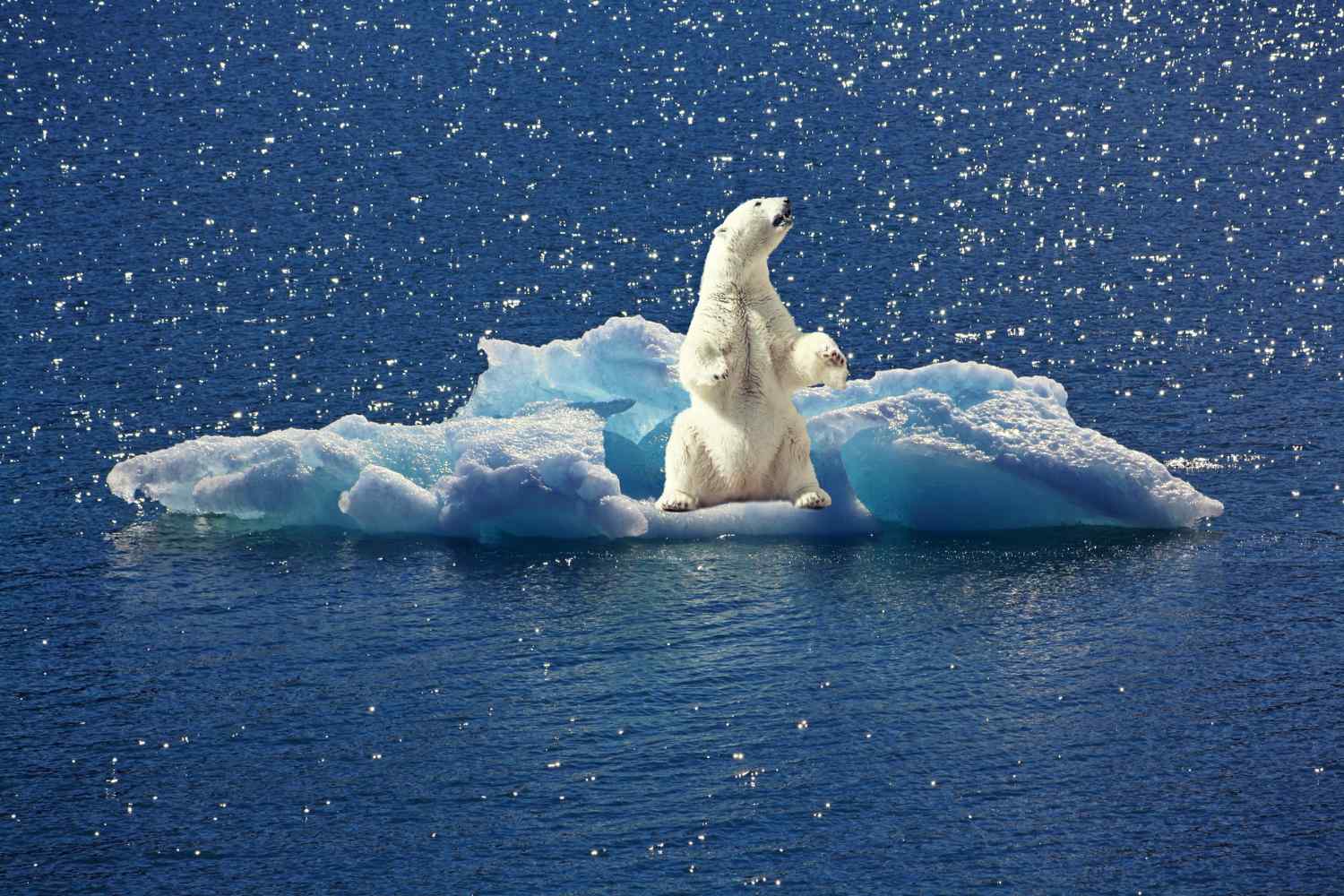
The Planet beyond the limits: the climate is now out of balance
Our Planet is crying out for help, and this time it is not a rhetorical formula. According to the latest report from the World Meteorological Organization (WMO), a United Nations agency, the Earth is in a condition of climate imbalance unprecedented in recorded history. It is no longer a question of future scenarios, but of a reality already underway, which manifests itself with growing intensity. As UN Secretary General António Guterres warned, the Planet is now being pushed beyond its limits, with all climate indicators flashing red.
Numbers that leave no room for interpretation
The data unequivocally confirms the extent of the change. The last eleven years have been the warmest on record since records began in 1850, and 2025 has reached a global average temperature of about 1.43°C above pre-industrial levels. Even if the presence of La Niña temporarily attenuated the warming compared to 2024, the year was still among the warmest ever. The trend is clear: since the 1970s, global temperatures have followed a steadily increasing trajectory, and many scientists believe this growth is accelerating.
The energy imbalance that fuels the crisis
At the basis of everything there is a precise mechanism, the Earth continues to receive energy from the Sun, but due to the accumulation of greenhouse gases it returns less and less of it into space. This energy imbalance has reached record levels and is the real driver of climate change. Greenhouse gases, particularly carbon dioxide produced by burning coal, oil and gas, act as a barrier that traps heat. CO₂ levels have now reached values that have not been recorded for at least two million years, and the responsibility of human activities for this phenomenon is scientifically consolidated.
Increasingly warm oceans, ecosystems under pressure
Most of the excess heat does not remain in the atmosphere, but is absorbed by the oceans. This process is profoundly transforming the climate system. In the last two decades, the warming of marine waters has occurred at a rate more than double that of the end of the twentieth century, and in 2025 the heat accumulated in the first two thousand meters of the oceans reached a new historic high. The consequences are clear: increasingly fragile marine ecosystems, loss of biodiversity, more intense storms and an increasing contribution to sea level rise.
Retreating ice and increasingly evident signs
The cryosphere is also showing unmistakable signs of change, glaciers have recorded one of the worst periods ever observed and sea ice at the poles has remained at or near historic lows for much of 2025. This melting is not only an indicator of global warming, but directly contributes to amplifying its effects, altering climate balances and ecosystems.
Extreme events and new risk thresholds
The effects of warming are also manifested in the increase in the intensity and frequency of extreme events. Increasingly early and intense heat waves are affecting various areas of the planet. In the southwestern United States, temperatures above 40°C, with deviations of up to fifteen degrees from the seasonal average, would have been practically impossible without anthropogenic climate change, according to the most recent scientific analyses.
The risk of new records with El Niño
The natural variability of the climate contributes to making the picture even more complex. Forecasts indicate a possible development of El Niño in the second half of 2026. This phenomenon, which involves a warming of the waters of the Pacific, could add to the global warming already underway and push temperatures towards new records by 2027, showing how natural factors and human activities can combine to amplify the effects.
A crisis that will last a long time
One of the most critical aspects concerns the duration of the impacts: even if emissions are reduced rapidly, the heat already accumulated in the climate system will continue to influence the planet for centuries, if not millennia. It is a direct consequence of the inertia of the Earth system, which makes the climate crisis a long-term phenomenon.
The need for an immediate change of direction
Faced with this scenario, the message from the United Nations is clear, there is no longer a slow or gradual transition. Drastically reducing the use of fossil fuels and accelerating the development of renewable energy is now an urgent necessity. This is not just an environmental issue, but one of climate, energy and global security. The point is no longer understanding what is happening, but deciding how quickly you are willing to act.
