
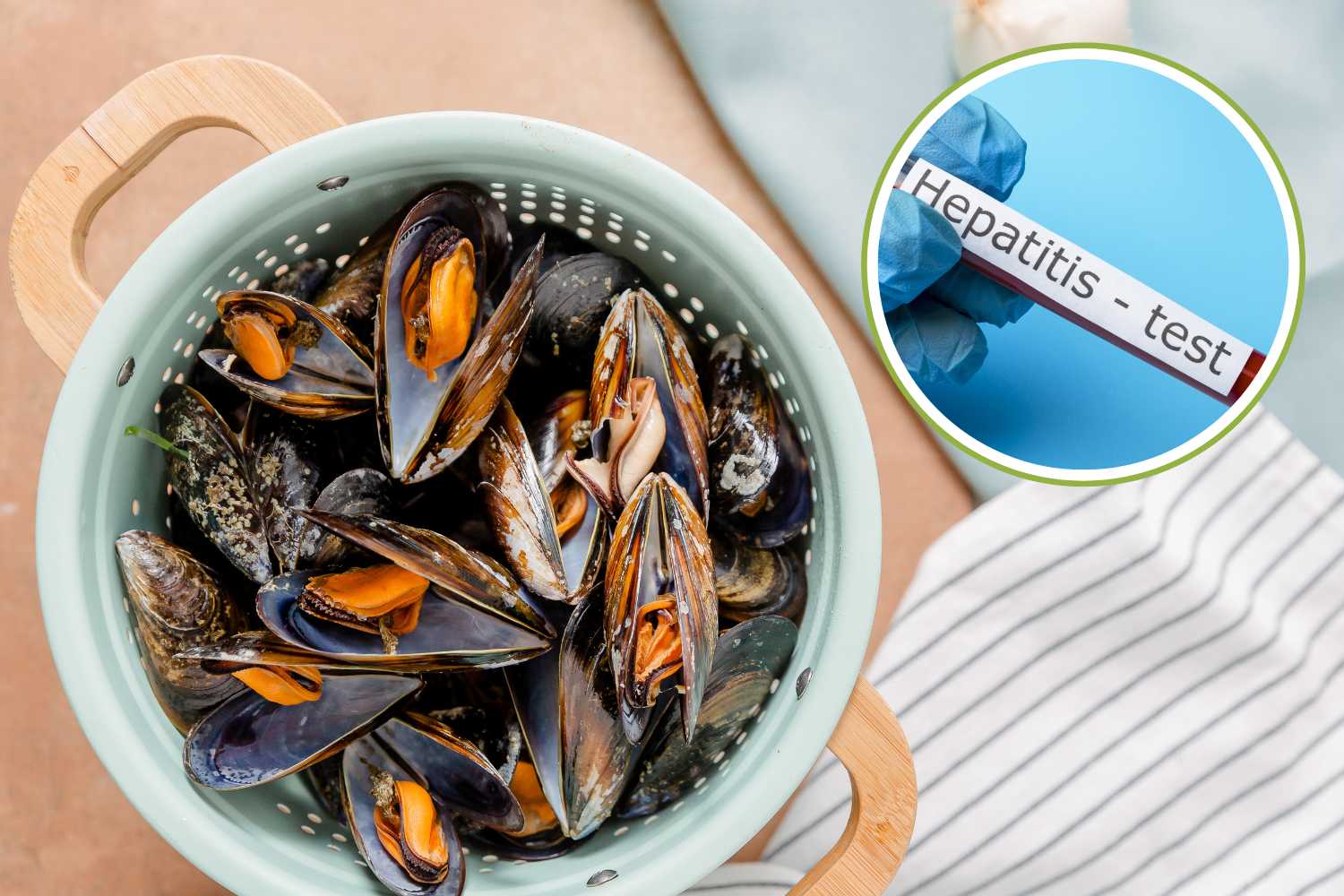
What seemed like an emergency limited to Campania is taking on an increasingly broader dimension. While Naples continues to deal with over 150 confirmed cases, the hepatitis A virus has also reached Lazio, where there have been 120 infections since the beginning of the year.
About fifty concern Rome, distributed between the ASL Rm1 and Rm2, but the most affected province is that of Latina, with 24 cases reported as of March 23, distributed between Aprilia, Fondi, Formia, Latina, Sabaudia, Sermoneta, Campodimele, Priverno, Lenola and Terracina, with six patients hospitalized in stable conditions.
The connection with the Campania outbreak seems anything but random: according to reconstructions, the infection in Lazio arrived around February 20th through a batch of contaminated mussels coming from Campania, where the first cases had already been recorded in January. The hypothesis is that in Campania the peak of infections dates back to consumption during the Christmas holidays, considering that the incubation period of the virus can reach up to seven weeks.
Why Hepatitis A is spreading so fast
Understanding the reasons for the spread is essential to contain the infection. The hepatitis A virus is transmitted via the fecal-oral route, i.e. through the ingestion of contaminated water or food, but also through close contact with an already infected person. And it is precisely this last mechanism that makes the picture more complicated: alongside food transmission linked to shellfish, a second wave of human-to-human contagion is consolidating, which is completely independent of the consumption of seafood. Not surprisingly, several patients report not eating any at all.
However, bivalve molluscs remain the main vehicle: mussels, clams and oysters filter enormous quantities of water and can concentrate the virus if they come from contaminated water. The problem is that superficial cooking is not sufficient, the simple fact that the valves open does not guarantee that the heat has reached temperatures sufficient to eliminate the virus. Added to this is the difficulty of tracing infections, because those infected can transmit the virus even a week before symptoms appear.
Symptoms not to be underestimated
Hepatitis A initially presents insidiously and is often mistaken for the flu. The first signs are fever, intense tiredness, nausea, vomiting and loss of appetite. Only in a later phase do the most characteristic symptoms emerge: yellowish coloration of the skin and whites of the eyes, dark urine, light stools and abdominal pain.
In adults, the disease tends to be more difficult to deal with, and the risk of complications increases with age and in the presence of previous liver disease. In young children, however, the infection is often completely asymptomatic, which makes it more difficult to detect and more dangerous in terms of silent spread.
The measures implemented in Lazio
The Lazio Region has activated epidemiological surveillance since February, reassuring that “the situation is monitored and the cases limited“.Food products identified as potential sources of contagion have been withdrawn from the market.
The Latina ASL has established a multidisciplinary task force coordinated by the General Directorate, which involves the Prevention Department, the Hygiene and Public Health Service, the Animal Food Hygiene structure and the Infectious Diseases Unit, in constant liaison with the regional SeReSMI surveillance service.
Close checks are underway in restaurants and sales points in the Pontine province, and the activation of an extraordinary monitoring plan for shellfish farms is being evaluated with the Region.
General practitioners and pediatricians were informed about good practices to communicate to citizens, while municipalities and schools in the province received detailed communications on prevention measures.
How to defend yourself
Prevention remains the most effective weapon, and the indications from the health authorities are clear. At the table, there is only one fundamental rule: seafood must always be cooked completely and evenly. It is not enough for the valves to open, it is necessary for the heat to reach every part of the mollusc. The same goes for fruit and vegetables: fresh fruit must be washed carefully under running water, while frozen fruit – such as berries – must be consumed only after adequate cooking.
Equally crucial is personal hygiene. Washing your hands carefully with soap and water, especially after using the bathroom and before handling or consuming food, is a simple but crucial measure to interrupt the chain of infection. Even in the kitchen you need to be careful: utensils, cutting boards and work surfaces can become transmission vehicles if not cleaned correctly.
On the active protection front, vaccination is available at local health authorities, pharmacies and vaccination centres, recommended especially for those who have been in contact with a confirmed case or work in the food supply chain.
