
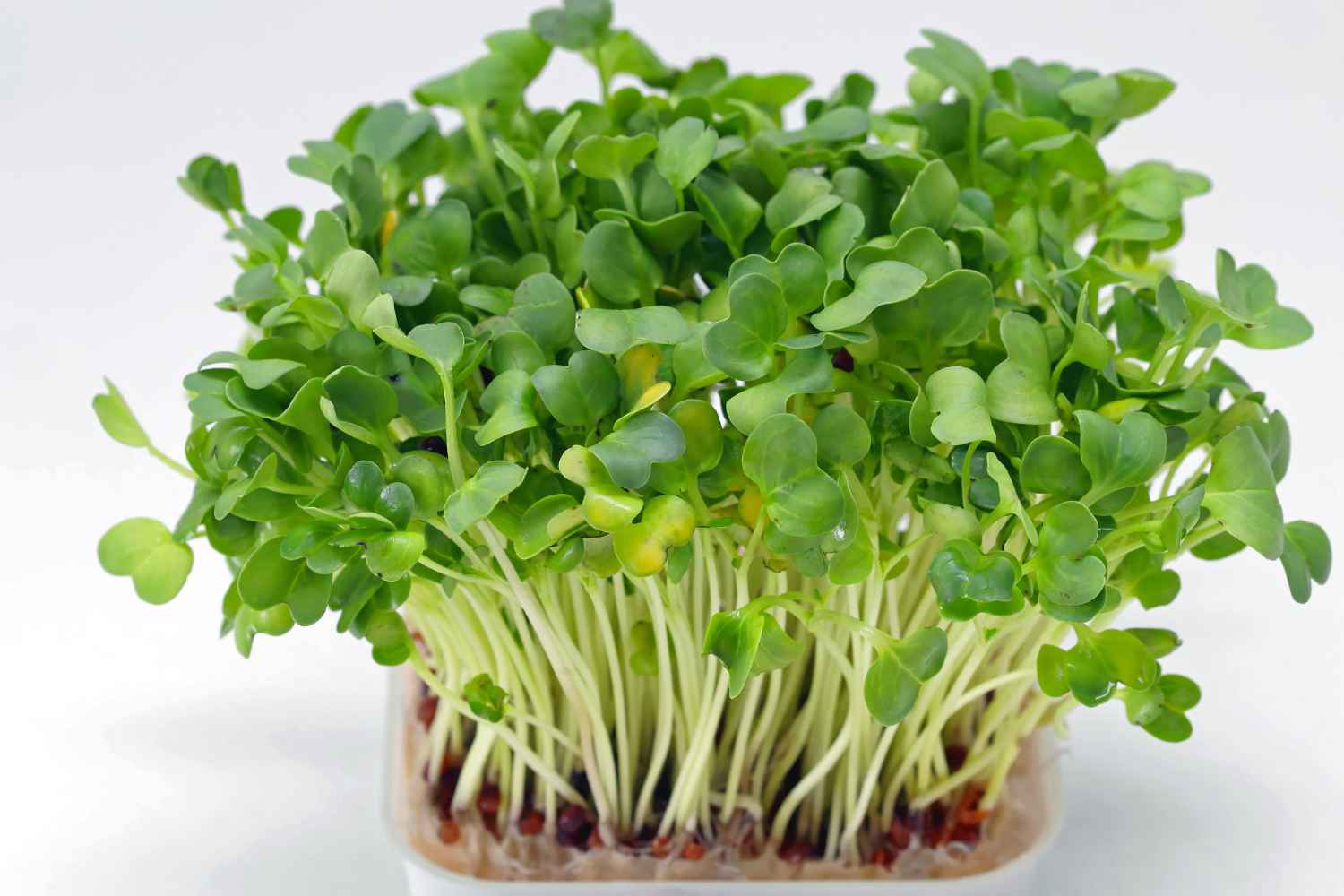
What if the healthiest vegetable of all was not kale, nor spinach or broccoli, but a small leaf, with a slightly pungent taste, which often goes unnoticed on the supermarket shelves? Watercress – whose scientific name is Lepidium sativum, part of the Brassicaceae – belongs to this silent category: it is there, but it is rarely noticed. It appears as a simple garnish, ending up on the edges of dishes, without ever becoming the protagonist. Yet, behind that discreet appearance, lies a nutritional profile that few other vegetables can match.
A certified (and almost ignored) record
The value of watercress was recognized not by a food fad, but by an analysis conducted by the Centers for Disease Control and Prevention. In a study dedicated to the so-called “Powerhouse Fruits and Vegetables”, watercress took first place overall, obtaining a nutritional density score of 100, the maximum achievable. A clear result, passed almost in silence, also because this vegetable has never enjoyed the attention reserved for other more celebrated vegetables.
How the CDC rating system works
The method adopted by the CDC is based on particularly stringent criteria. To be considered a “powerful” food, each vegetable had to provide at least 10 percent of the recommended daily value of 17 essential nutrients per 100 calories. The data used comes from USDA analyzes on 100 grams of raw product, then recalculated based on caloric intake. An approach that rewards overall nutritional quality, not the abundance of a single element.
The 17 key nutrients under the lens
The list examined is extensive and important for public health: potassium, proteins, calcium, iron, thiamine, riboflavin, niacin and vitamin A, alongside nutrients linked to the prevention of chronic diseases such as fibre, folate, zinc and vitamins B6, B12, C, D, E and K. Watercress does not dominate a single item absolutely, as happens with other vegetables, but manages to reach the minimum threshold for everyone, maintaining an extremely low caloric intake. It is this completeness that makes it an almost unique case.
Phytochemicals and protection of the organism
In addition to micronutrients, watercress ensures a high concentration of phytochemicals, natural compounds present in plants that play a protective role in the body. When it is cut or chewed, it releases isothiocyanates, molecules studied for their ability to counteract the action of carcinogenic substances and limit the growth of tumor cells. Some research suggests a protective effect on the colon as well.
Heart, circulation and pressure under control
Among the most interesting components also appear carotenoids, antioxidants associated with cardiovascular health and reducing the risk of heart attack and stroke. Added to these are nitrates of plant origin, known to promote the dilation of blood vessels, improve blood flow and contribute to the control of blood pressure. It is no coincidence that these compounds are also studied in relation to the improvement of physical performance.
How to bring watercress into the kitchen
To fully exploit its properties, raw consumption is the most suitable choice. Many of the vitamins present in watercress are sensitive to heat and tend to reduce with cooking. Inserting it into salads, using it in sandwiches instead of the classic green leaves, adding it to eggs or already cooked meats, or blending it into pestos and sauces is a simple way to enhance it. Even a quick sauce for pasta can become the right occasion.
A vegetable to rediscover
The next time you go shopping, look for it a little more carefully. And if it doesn’t appear right away, asking at the fruit and vegetable counter may hold some surprises. Watercress doesn’t need slogans or trends to demonstrate its value: data and an informed taste are enough to understand that this practically unknown vegetable deserves a permanent place in the daily diet.
