
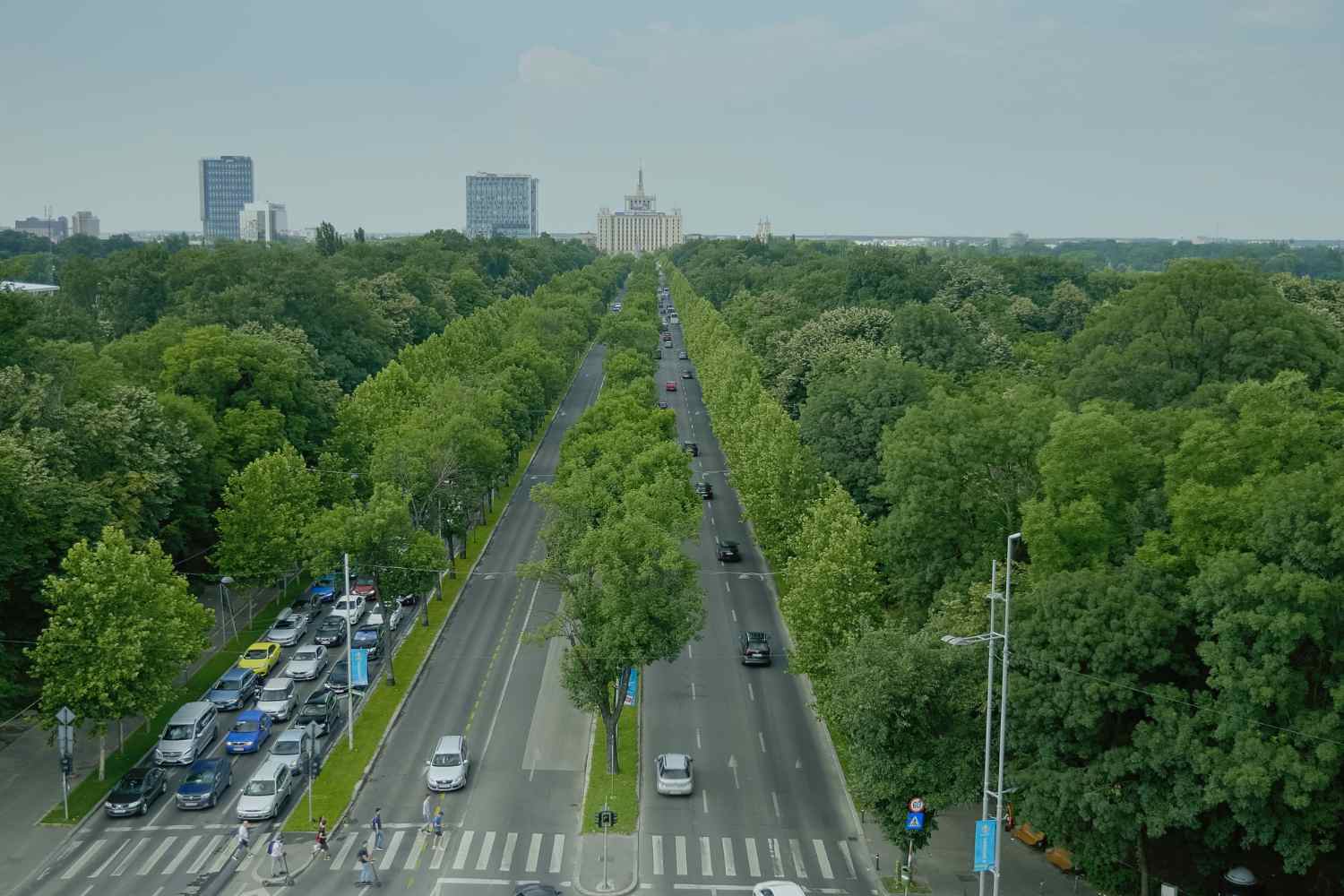
Talking about sustainable mobility often means imagining large infrastructures, endless cycle paths or futuristic railway networks. Yet, the real green revolution begins every morning when we decide how to tackle the journey to the office or how to manage the weekly shopping. Individual habits weigh enormously: according to data from the European Environment Agency, road transport is responsible for around 25% of total greenhouse gas emissions in the EU. Reducing this impact does not necessarily require drastic sacrifices, but a conscious review of our way of moving, integrating new technologies and models of use of means of transport that go beyond the old concept of ownership.
The concrete value of personal habits
The choices we make every day have a cumulative effect on the health of the planet. We often underestimate how small changes in managing commutes or family errands can make a difference when projected on an annual basis. Choosing a more efficient means of transport or deciding not to own a car that remains stationary 92% of the time is not just an economic question, but a gesture of environmental responsibility.
Shifting the focus from possession to use allows you to optimize resources. The transition towards more fluid and flexible mobility responds to a practical need: freeing oneself from bureaucratic and technical burdens (maintenance, deadlines, devaluation of the vehicle) to focus on freedom of movement. In this context, daily decisions become the fundamental piece to decongest cities and reduce per capita emissions.
The car as a service: a new model for the environment
The automotive sector is experiencing a profound transformation, driven by a change in mentality that increasingly sees cars as a service (Mobility as a Service) rather than as a good to be purchased. UNRAE and Aniasa data confirm this trend: in 2024 and in the first months of 2025, long-term rental consolidated a market share of almost 30% of total registrations in Italy. This means that almost one new car in three is put on the road through rental formulas, a sign that planning a certain fee and the flexibility to adapt the vehicle to one’s real needs are now established priorities.
This shift to long-term leasing (NLT) fits perfectly with sustainability as it dramatically accelerates technology turnover. In Italy, the average age of an owned car is among the highest in Europe, exceeding 12.5 years, while rental vehicles have an average age of less than 24 months. This generational gap guarantees access to hybrid or electric engines: statistics indicate that approximately 35-40% of electric cars (BEV) registered in Italy pass through the rental channel.
Choosing this model means adopting a circular approach to mobility, reducing waste related to vehicle management:
The Yoyomove model: digital consultancy and tailor-made solutions
Yoyomove is a digital consultancy platform that accompanies individuals, professionals and companies in building their own long-term rental solution.
Operating as an enabler in several European markets – including Italy, France, Spain and Portugal – it collaborates with the main providers in the sector (such as Ayvens, Arval or Drivalia) to offer a wide range of options on cars, commercial vehicles, motorcycles and microcars, both new and used.
The service should not be confused with short-term rental or leasing: it is a multi-year formula, usually between 24 and 60 months, in which the car does not become the property of the customer and there is no final maxipayment.
The process is structured to guarantee transparency and customization through some fundamental pillars:
The conscious choice for the future of cities
The ecological transition is not a distant event, but a path that is built through more intelligent consumption models. Tools like Yoyomove allow you to transform a practical need — moving for work or necessity — into an opportunity to modernize your impact on the world. Abandoning the concept of “car forever” in favor of a flexible and updated solution is a step forward towards a society that values efficiency over ownership.
Sustainable mobility is nourished by real and accessible choices. When the service replaces the burden of ownership, the user gains time and peace of mind, while the community benefits from a safer and less polluting fleet. Informing yourself, comparing and choosing thoughtful rental solutions is, today, one of the most concrete ways to actively participate in the change necessary for our cities.
