

A photo of a book reduced to shreds, as if it had emerged from a fire, a pity that the book had been sent intact, with documented photos before delivery. It is from this episode, made public on The subject of the dispute was an edition of La Cuisine des Sorciers: the buyer had opened a dispute by attaching images clearly generated by AI, and the platform had automatically closed the dispute in his favor.
How the scam works
The scheme is as linear as it is effective. The buyer buys an item, receives it in excellent condition, then uploads the original photo to a generative artificial intelligence tool (such as ChatGPT, Gemini and Midjourney) e asks to add scratches, cracks, tears and dents. In a few seconds he obtains a credible image of a damaged product, attaches it to the refund request and finally Vinted opens the dispute.
The system of Buyer Protection of the platform provides a 48-hour window in which the buyer can report problems after delivery. The first investigations are handled by bots and algorithms that analyze the photographic evidence, human operators intervene only if the issue remains unresolved. Many sellers report that when the photos seem credible, the platform tends to agree with the buyer regardless. The result: the scammer buyer keeps the item in perfect condition and gets his money back, while the seller loses the sale amount and, in some cases, suffers a penalty on his account.
The Reddit case and Poland
Documenting the phenomenon with concrete evidence was a post on Reddit, where a user published photos of an ornament for which he had received a refund request. Analyzing the attached images, he noticed that the crack changed shape from one shot to another and some details appeared or disappeared depending on the angleunmistakable signs of algorithmic manipulation.
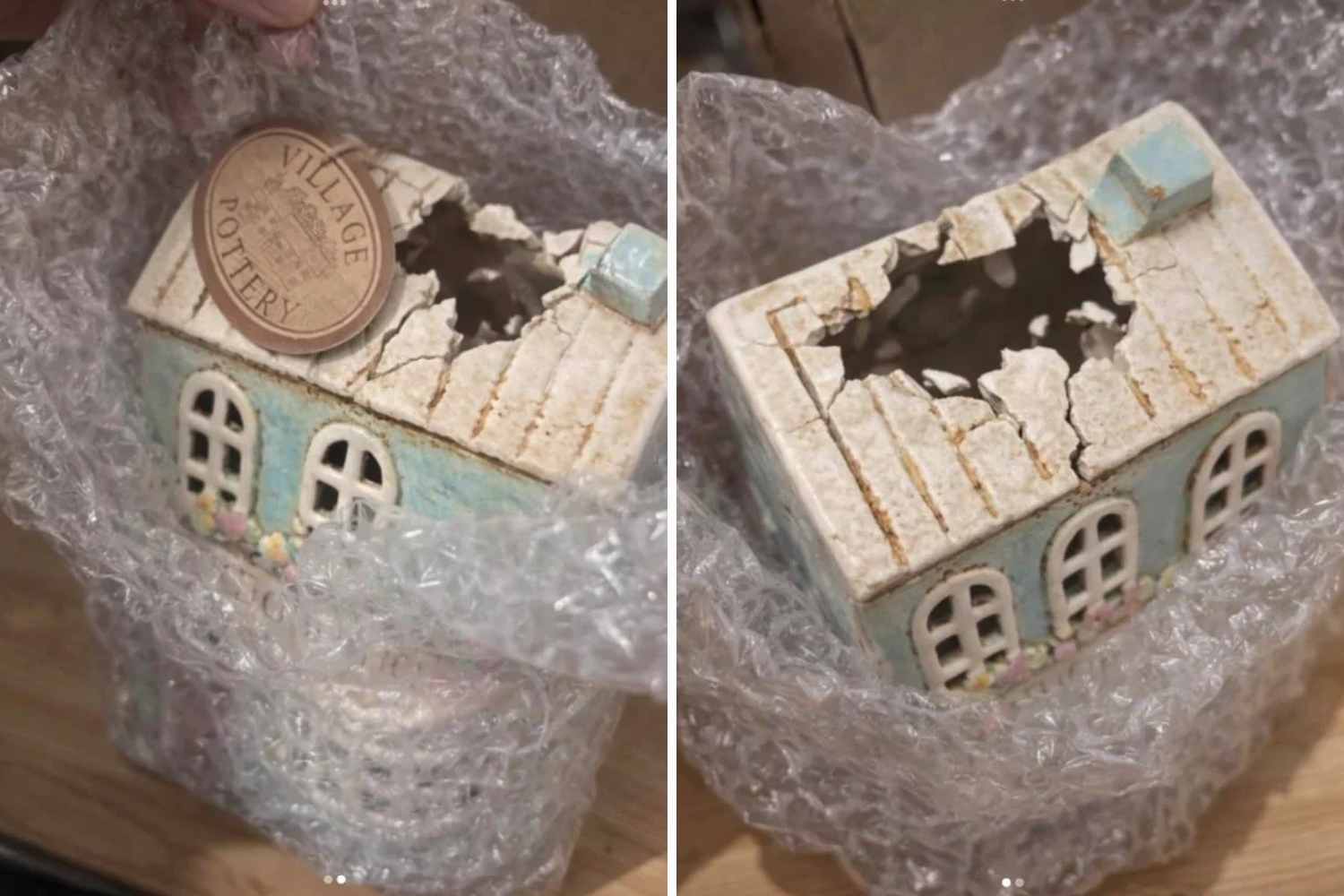
Around the same time, a growing number of users in Poland began reporting similar incidents, with reports documented by TVP World, the Polish public broadcaster, as early as January 2026.
Global data
The phenomenon does not only concern Vinted. According to Forter, a company specializing in e-commerce fraud detection, the Refund claims with AI-altered images have grown more than 15% globally since the start of 2025. Organized criminal groups use these tools in an automated way, with rotating IP addresses, to flood the platforms with false claims for damages, especially on household items. Forter himself reported a 202% increase in automated fraud attempts over the course of a year.
The phenomenon was officially cataloged by the OECD in the AI Incidents Monitor as an “AI Incident”, with this motivation:
Scammers use generative AI to create fake images of damaged products, allowing them to improperly request refunds on platforms like Vinted, Amazon and Fnac. This AI-powered scam causes financial harm to sellers and undermines automated moderation systems, making it harder to spot and prevent fraudulent requests
In the United States, a similar episode involved the Boll & Branch lingerie brand: as documented by PYMNTS, CEO Scott Tannen noticed that some photos attached to refund requests still bore the logo of the AI software that had generated them
What Vinted responds to
When asked directly by the newspapers that first reported the news, Vinted declared that the use of AI to improve the visual quality of ads is not prohibited in itself, as long as it faithfully reflects the product. On the specific point of fraud:
Any deceptive or fraudulent use of AI, whether in ads or disputes, such as through falsified evidence, is strictly prohibited and taken very seriously by our teams. We have several tools to detect fraud and potentially falsified content, which allow us to act as quickly as possible. While these cases represent only a small portion of the activity on our platform, we remain vigilant and constantly update our systems to counter new practices, while ensuring a safe and transparent experience on the platform
How to defend yourself
The Open Online editorial staff verified the technique firsthand: with the software Gemini’s Dwarf Banana it was enough to upload a photo of an intact mirror and provide a prompt to obtain a realistic image of the same shattered mirror in a few seconds, indistinguishable from a real photo.
The practical countermeasures circulating among sellers are few but tangible and may include the following:
Deepfakes of images, audio and documents now operate on an industrial scale, the problem is that no technical expertise is needed anymore, all it takes is an application and malicious intent.
