
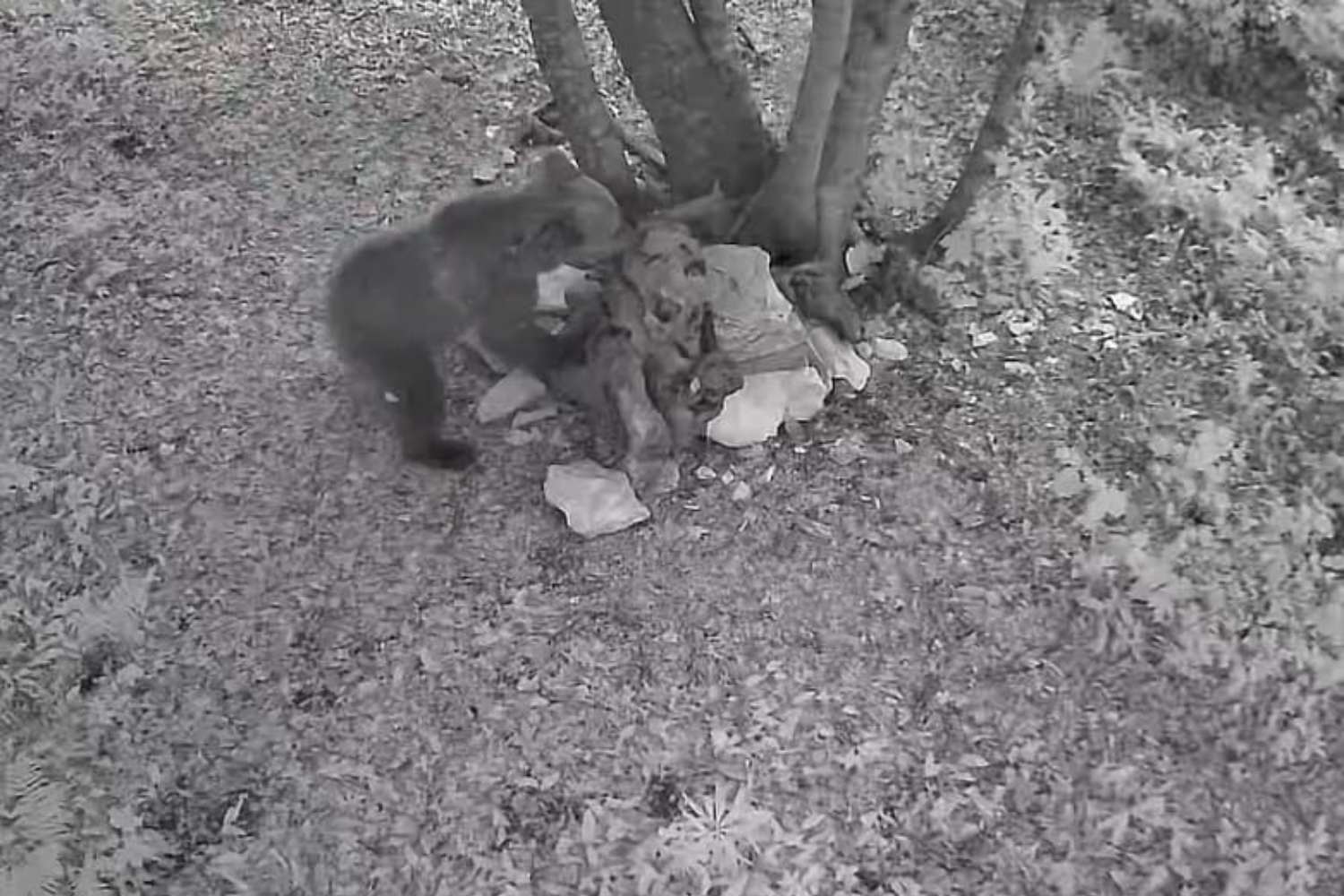
A young specimen of brown bear, about two years old, from Trentino, is attracting attention on the Asiago Plateau, in the province of Vicenza. Its presence was detected not by direct encounters, but exclusively through camera traps installed in the southern area of the plateau, on the edge of the Brenta Valley. According to regional authorities, the animal is in a natural phase of juvenile dispersal, a period in which males move away from the family unit to avoid competition and phenomena of inbreeding. A behavior considered completely physiological for the species.
A silent animal never spotted by citizens
Although the news quickly spread around the province, the bear was never directly observed by the population. All reports come exclusively from environmental monitoring systems, which immortalized him moving around the area in a confidential and non-invasive way. The authorities specify that there has been no damage to apiaries, livestock or agricultural activities, an element which contributes to describing a behavior defined as “non-problematic”. The animal, in fact, appears to feed mainly on vegetables, as also confirmed by analyzes of organic samples collected in the area.
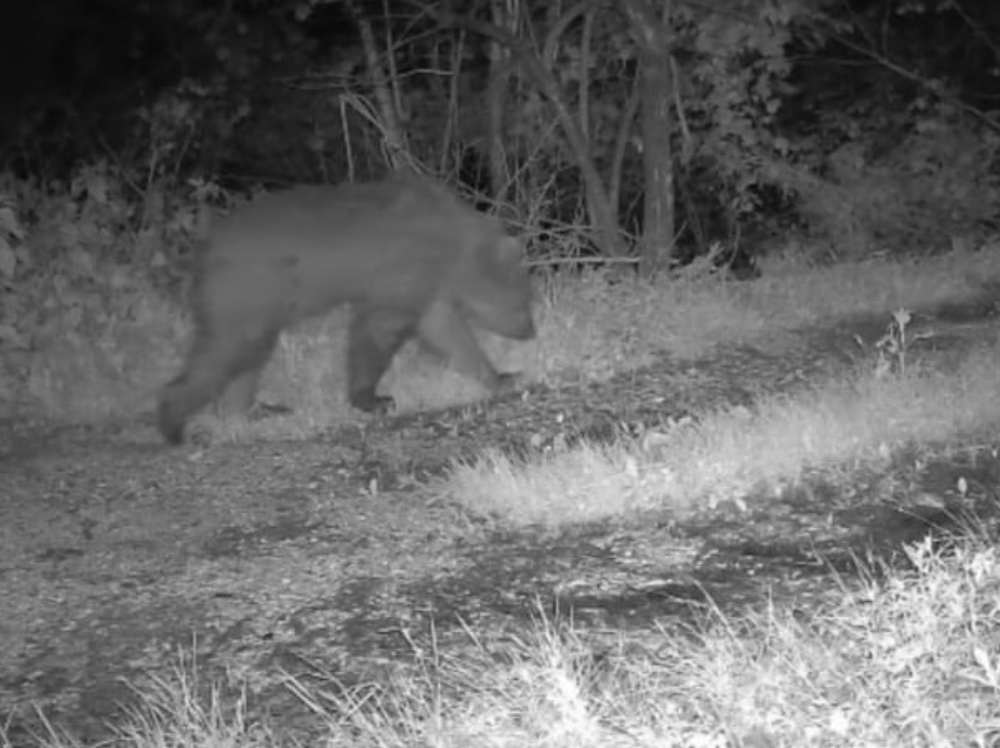
Monitoring between camera traps and patrols
The situation is constantly monitored by the provincial police of Vicenza, in collaboration with the offices of the Veneto Region. Monitoring also takes place with the support of the hunting world and thanks to control devices already used for other wild species. Regional councilor Dario Bond underlined how the presence of the bear is “sporadic” and linked to young males on the move, who can travel even long distances starting from the areas of Trentino-Alto Adige, Friuli or other Alpine areas. The institutions invite citizens to collaborate, asking them to report any sightings without approaching the animal.
Recommendations for coexistence with wildlife
Local authorities reiterate a fundamental principle: maintaining a distance from wildlife is essential for both human safety and animal protection. The bear, in this case, does not show friendly behavior with humans and does not approach homes. Care is also recommended in the management of waste, food and pets, to prevent possible food sources from attracting wild specimens to inhabited areas.
You might also be interested in:
