

June is that magical month in which the garden explodes with colours, scents and life. The days are getting longer, temperatures are rising and you want to stay outside as much as possible. But it is also the time when many gardeners, armed with good intentions and sharp shears, risk doing damage without intending to.
Because yes, you can prune in June — but not everything. There are shrubs, fruit trees and climbers that are working in silence during this period: they are forming buds for the next season, accumulating sap, preparing for new blooms. Interrupting this process with untimely pruning can mean no flowers next year, weakened plants or even more exposed to diseases.
The latest indications from arboriculture and garden design experts confirm an increasingly widespread trend: prune less, and do it at the right time. An approach that is more respectful of the natural rhythms of plants, which is good for the garden and reduces unnecessary work.
Let’s find out together which trees and shrubs should not be pruned in June.
(Read also: Climbing plants, shrubs and trees NOT to prune in May)
Shrubs not to be pruned in June
June is the month to dedicate at most to light finishing pruning on some shrubs, but there are several that should absolutely be left alone.
Lilac
The lilac blooms on the previous year’s branches. Pruning it in June means eliminating the buds already formed for next year’s flowering. The right time to intervene is immediately after spring flowering, not later.
Forsythia

Like lilac, forsythia blooms on the previous year’s branches. Pruning in June would compromise that cascade of bright yellow that we love so much in spring.
Azalea
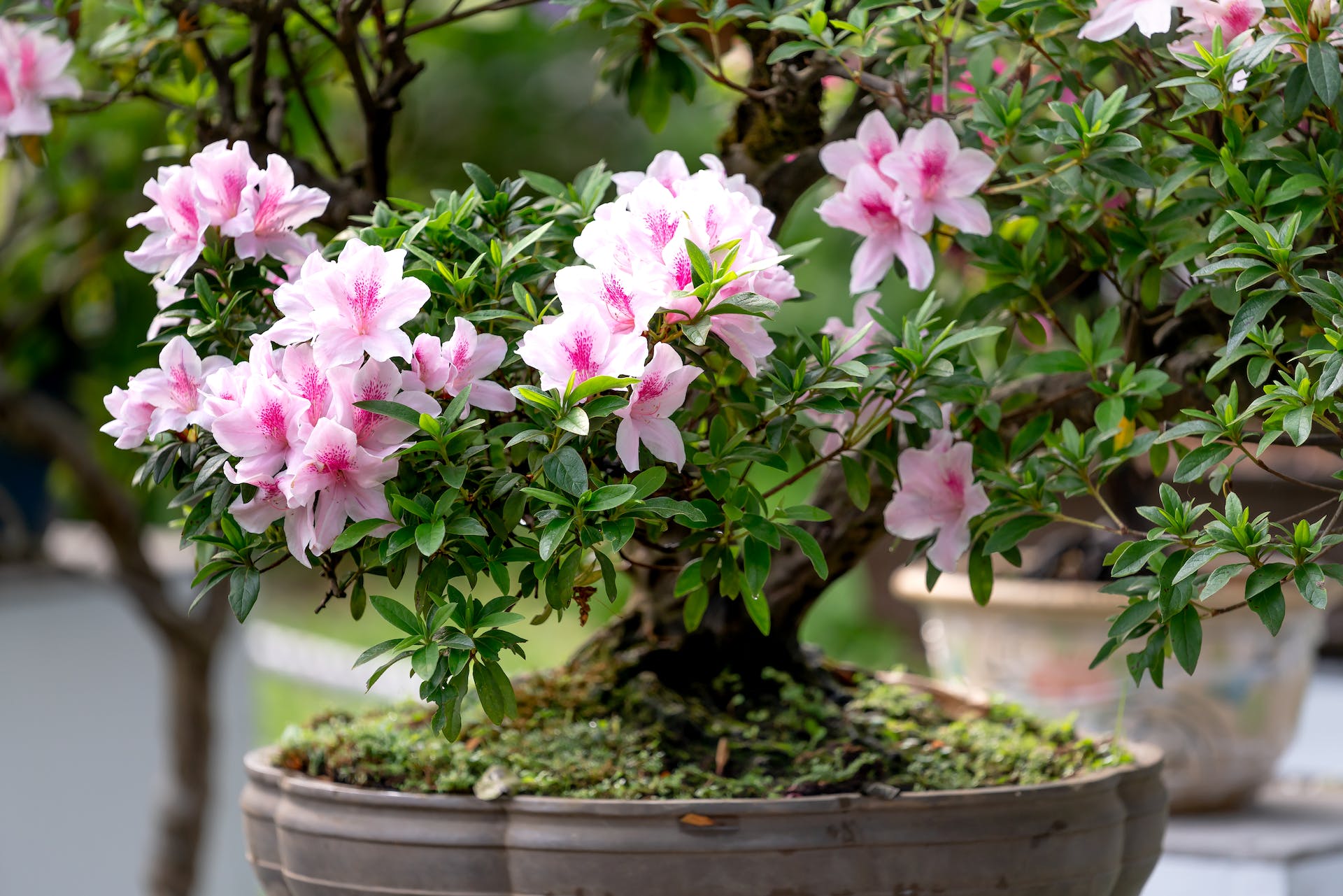
Azaleas should be pruned immediately after spring flowering — and no later. Waiting until June means interfering with the formation of new buds, with disappointing results the following season.
Honeysuckle
©Artcookstudio/123rf
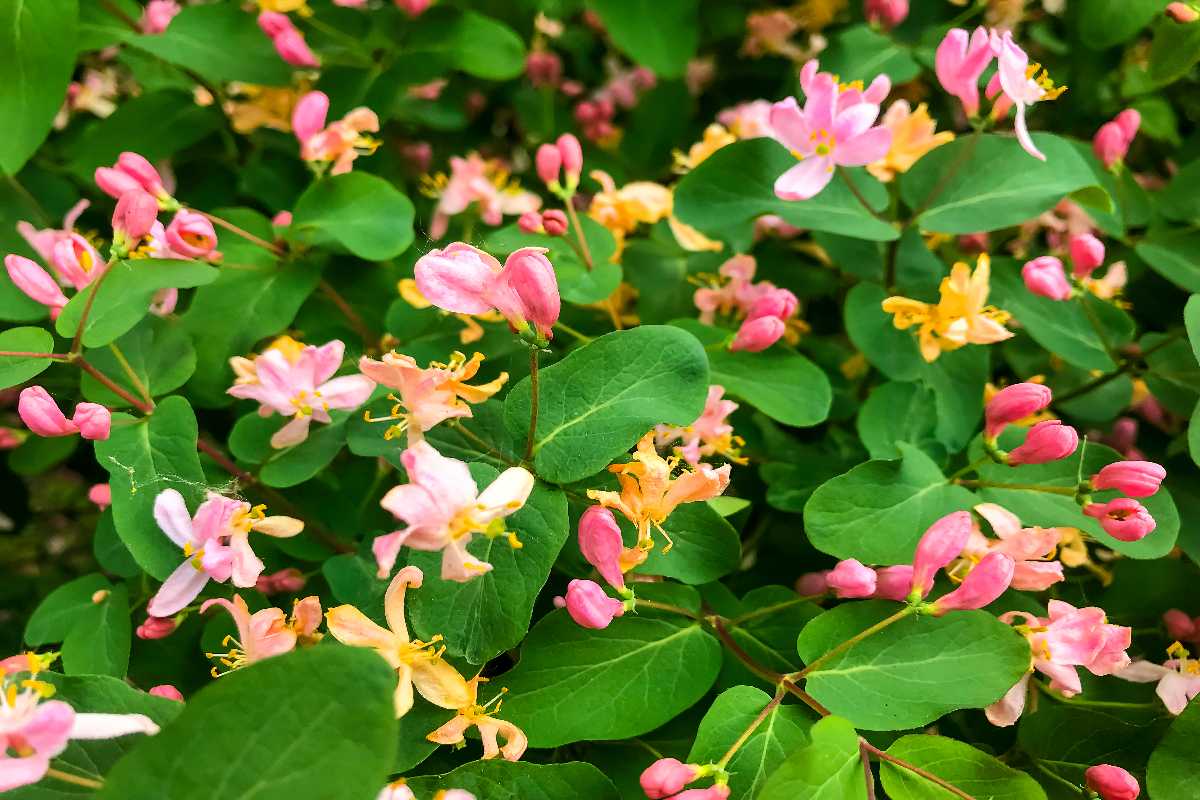
Honeysuckle is a generous, highly fragrant climber that flowers in spring. Pruning must be done immediately after flowering: waiting for June risks removing the buds that are ready for the following year.
Hydrangea

Hydrangeas are among the queens of the summer garden, but they have very precise flowering cycles. Pruning them in summer – especially the varieties that flower on old branches such as Hydrangea macrophylla – means depriving them of precious resources and compromising flowering. Better to wait until the end of summer or early autumn, depending on the variety.
Trees not to prune in June
Even among the trees, June is a month to be handled with caution. Here are the ones to leave alone.
Maple

©Mrtwister/123rf
Maples, and especially the Japanese maple, are very sensitive to summer pruning. The heat accelerates the loss of sap from the cuts, weakening the tree and opening the door to fungi and parasites. The ideal time is at the end of winter, before the vegetative growth.
Birch
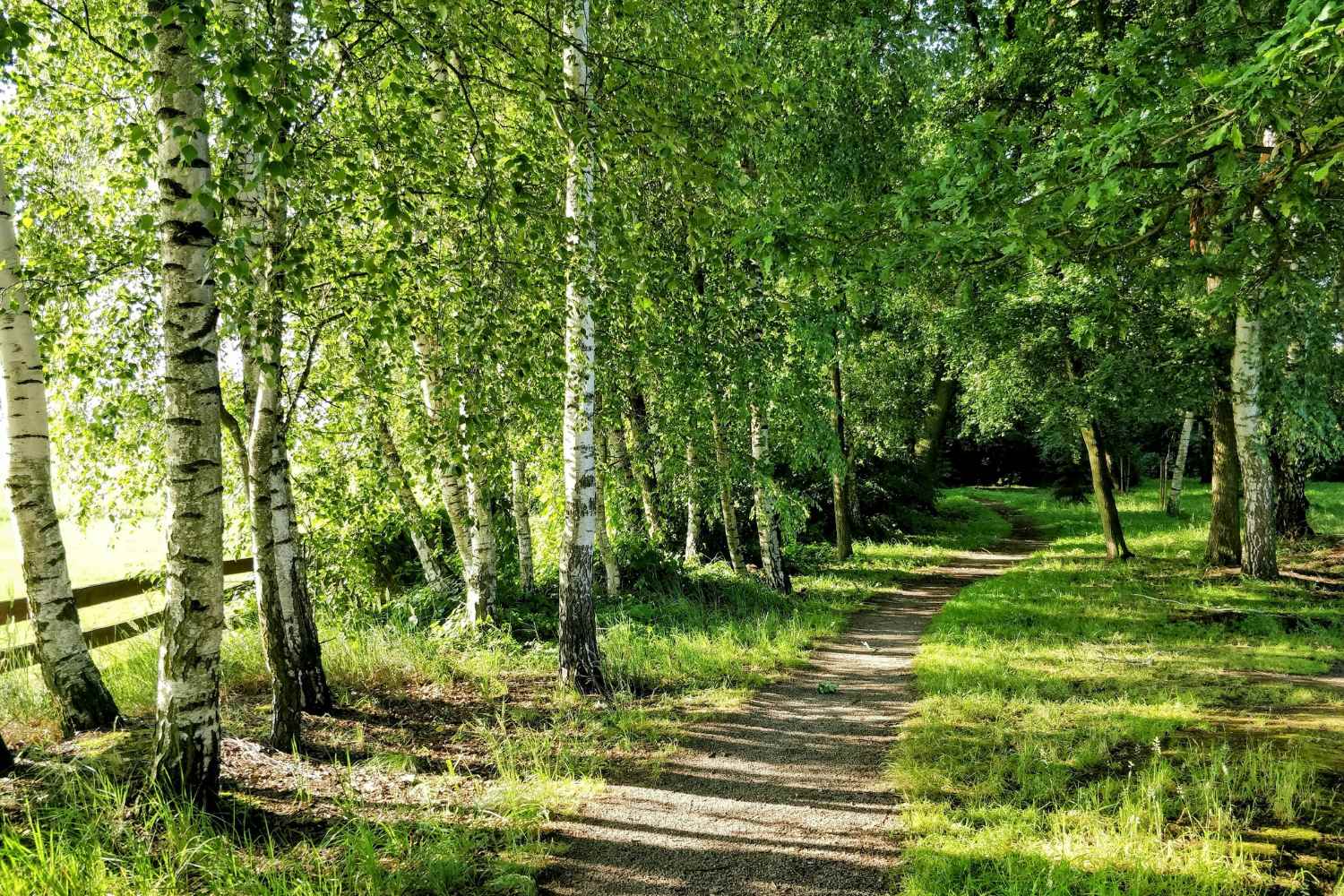
Birch trees are famous for their abundant “weeping”: if pruned during the hot season, they lose large quantities of sap, with debilitating effects. The ideal window to intervene is midwinter, during dormancy.
Elm
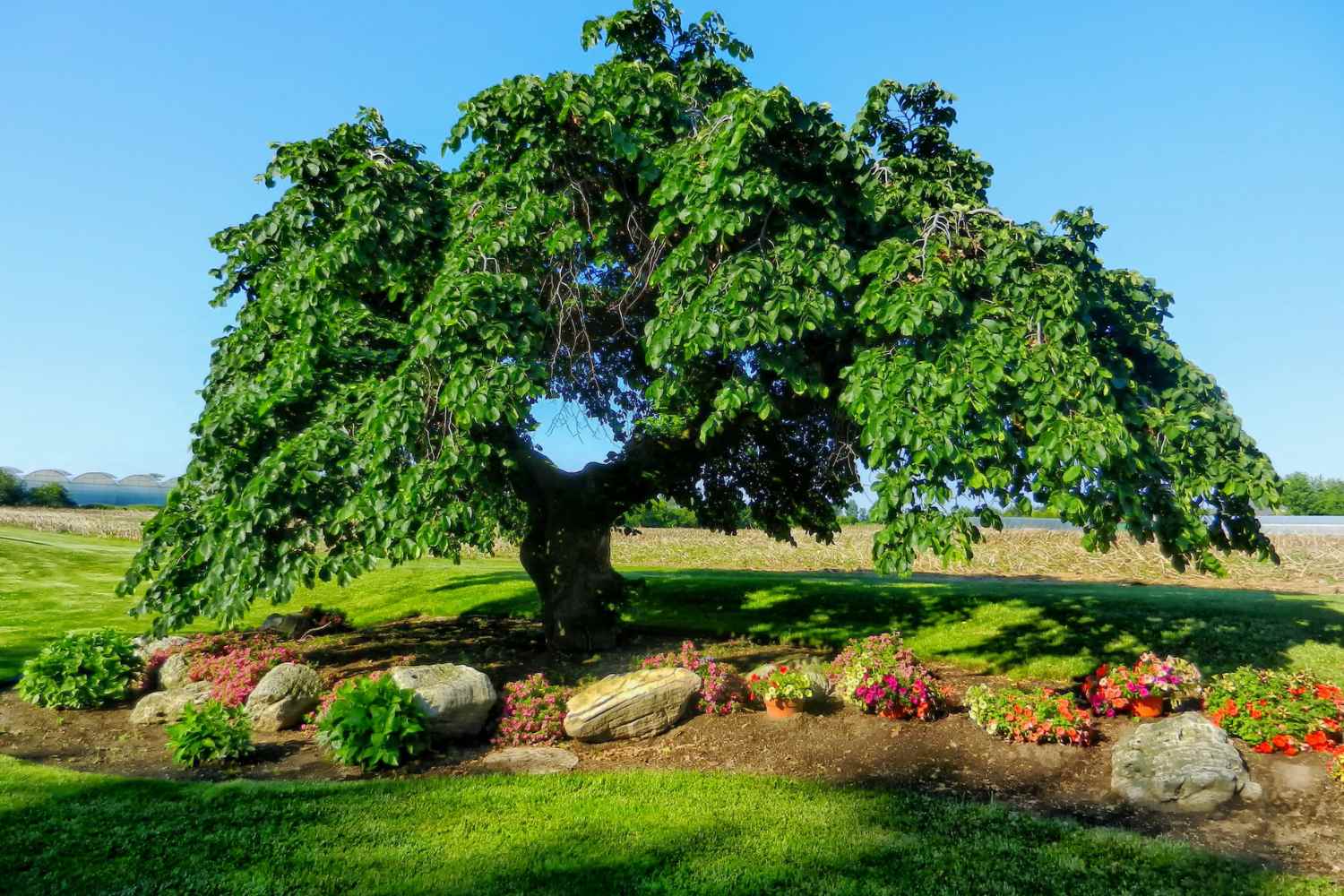
Pruning elms in June not only disturbs growth, but makes them more vulnerable to graphosis — the fungal disease that has decimated European elms over the last century. Better to wait for the cold months.
Apple and pear
On pome fruit trees, summer pruning risks interrupting the flow of nutrients to the fruit buds already forming, reducing the yield of the following season. Light green pruning (pruning of shoots) is tolerated, but major cuts should be postponed until winter.
Peach, Apricot and Plum
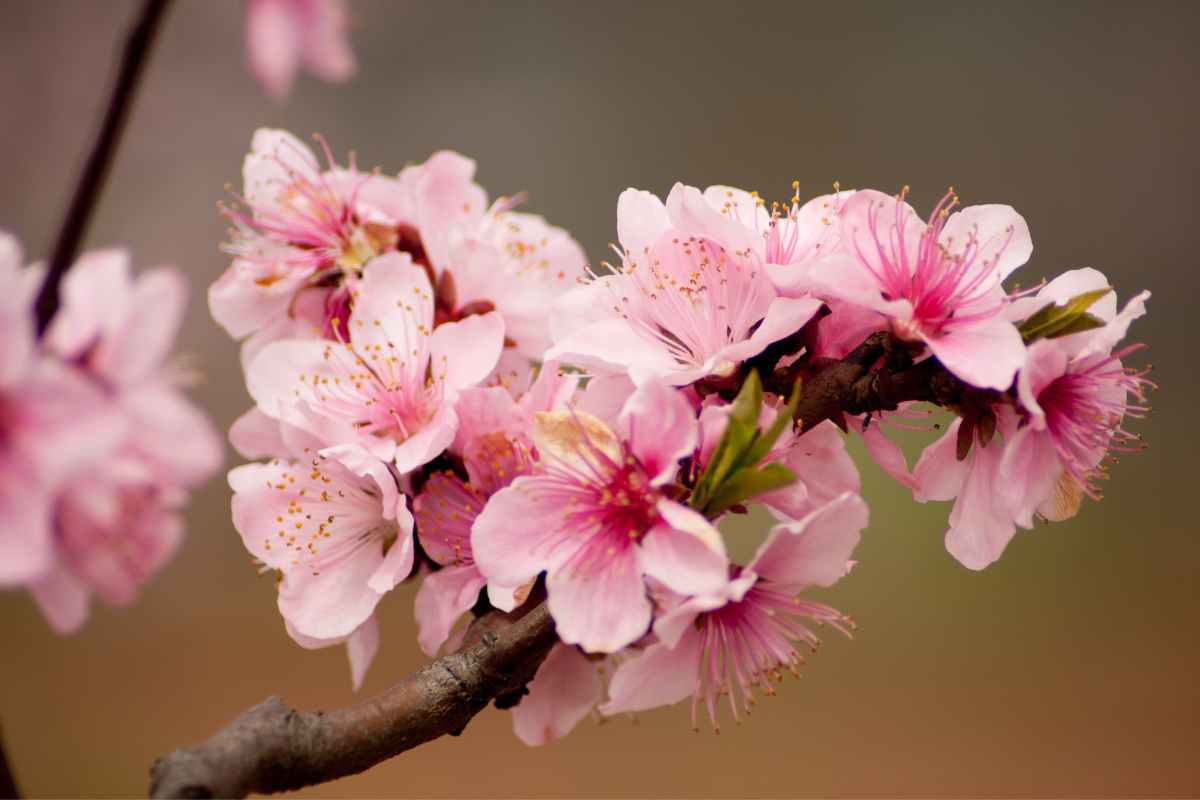
Stone fruits such as peach, apricot and plum are particularly sensitive in summer: the heat favors the entry of pathogens through cuts, and heavy pruning can stimulate disorderly and vigorous growth that weakens the plant. If absolutely necessary, minimal cuts can be made after harvesting the fruit.
You might be interested in:
