
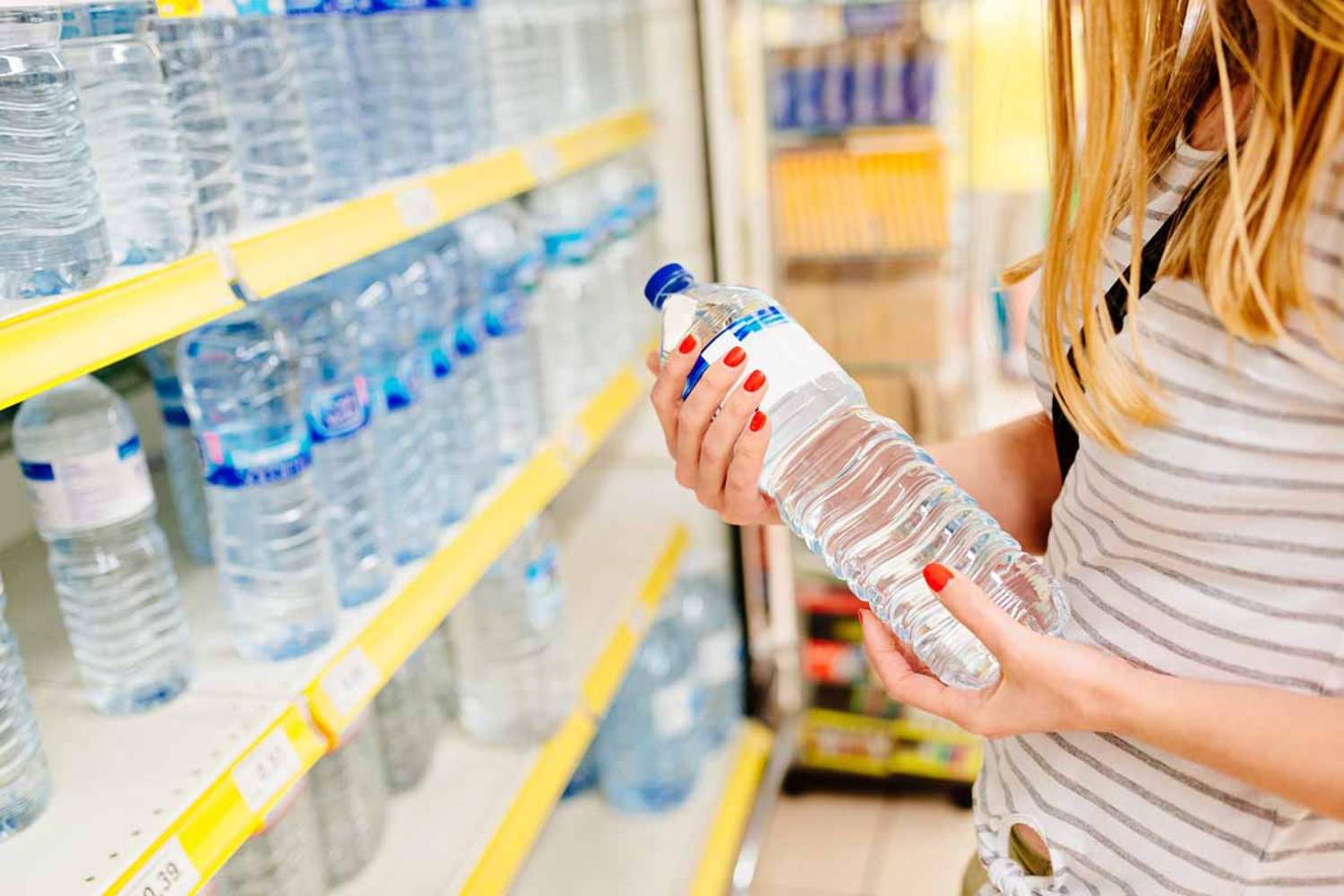
Italy is the first country in Europe for consumption of bottled water: every year, on average, each of us drinks and consumes over 250 litres. A fact that tells of a truly deep-rooted habit, despite the growing environmental concerns linked to the use of disposable plastic.
On the one hand, in fact, tap water remains a more sustainable and controlled choice from a public point of view; on the other hand, millions of people continue to prefer bottled mineral water for taste, convenience or perception of safety. Precisely for this reason, the new 2026 test of Altroconsumo analyzed the main waters on the market, examining all three types available on the market: natural, natural effervescent and sparkling, with particular attention not only to chemical quality, but also to bottles, labels and environmental impact.
But let’s now discover the ranking of the best mineral waters, divided by category.
The rankings: the best waters of the 2026 test
Natural mineral waters
Natural waters remain the most widespread and “lightest”. Good overall quality emerges in this category, with several products achieving high ratings.
This is the ranking:
The interesting fact is the strong presence of large-scale distribution (Eurospin, Lidl, Conad, Esselunga) at the top of the ranking, with average prices often lower than the historic brands.
Natural effervescent waters
Natural effervescents derive from sources of volcanic origin and are naturally rich in carbon dioxide and mineral salts. In the test they show a more fluctuating trend than the natural ones.
Here is the ranking:
Sparkling waters
Sparkling waters are natural waters with the addition of carbon dioxide: a very popular category in Italy, often preferred for their more “lively” taste.
The rankings:
Here too, large-scale distribution defends itself very well, often with results comparable or superior to the more well-known brands.
How the test was conducted
The test of Altroconsumo on bottled mineral waters was carried out with a broad and structured analysis, designed to provide the most complete picture of the market possible.
The waters were purchased in January 2026 and subsequently analyzed between February and March. The price was also recorded systematically, involving 48 points of sale between Milan, Turin, Rome and Cagliari.
The selection of products was not random: in fact, it followed the diffusion data on the Italian market, processed starting from a survey in over 1,150 points of sale distributed in 67 cities, so as to include the brands that are actually most present in large-scale retail trade.
In the laboratory, each water was thoroughly evaluated. The analysis concerned the composition of mineral salts – such as calcium, magnesium, sodium, fluorides and nitrates – but also the possible presence of metals and contaminants, including arsenic, nickel, manganese, aluminum and emerging substances such as TFA. Alongside the chemical part, the test also considered the packaging, evaluating the weight of the bottle, the presence of recycled plastic and the recyclability of the label, as well as the practicality of daily use, from opening to pouring.
The final judgment was then constructed by assigning a precise weight to the various factors: 50% to the composition of the water, 20% to the bottle and the environmental impact, 10% to the labels and the remainder to the evaluations of contaminants and practical and sensorial aspects.
