
In small apartments, filling the corners with fixed and bulky furniture creates visual barriers that hinder the diffusion of natural light and limit the passage of air, increasing the need for artificial lighting and making the rooms gloomy.
To overcome this obstacle, the integration of space-saving furnishings represents a strategic choice that allows you to keep walkable surfaces free and reconfigure the house according to the needs of the moment. Choosing multifunctionality instead of accumulation also reduces the consumption of productive resources and gives airy rooms, capable of combining energy savings with authentic and long-lasting living well-being.
Efficiency and versatility in multifunctional furniture
When the available surface area is limited, the intelligent management of the square footage involves the insertion of transformable elements, designed to adapt to the different needs of the day. In this flexible design perspective, the usefulness of the sofa bed stands out, a fundamental furnishing accessory for optimizing the space of the living area and transforming it into a comfortable sleeping area if necessary.
The new generation models combine rapid and silent opening mechanisms with orthopedic bases and ergonomic padding, guaranteeing the same quality of rest as a traditional bed without taking up the room during daylight hours. The same logic of maximum performance and minimum size guides the choice of extendable tables, retractable consoles and container poufs for storing blankets, cushions or frequently used objects. Integrating pieces of furniture capable of carrying out multiple tasks at the same time avoids the accumulation of superfluous furniture, freeing up walkable surfaces and giving the home environment a constant sensation of order, light and spaciousness.
Ecological materials and creative reuse of spaces
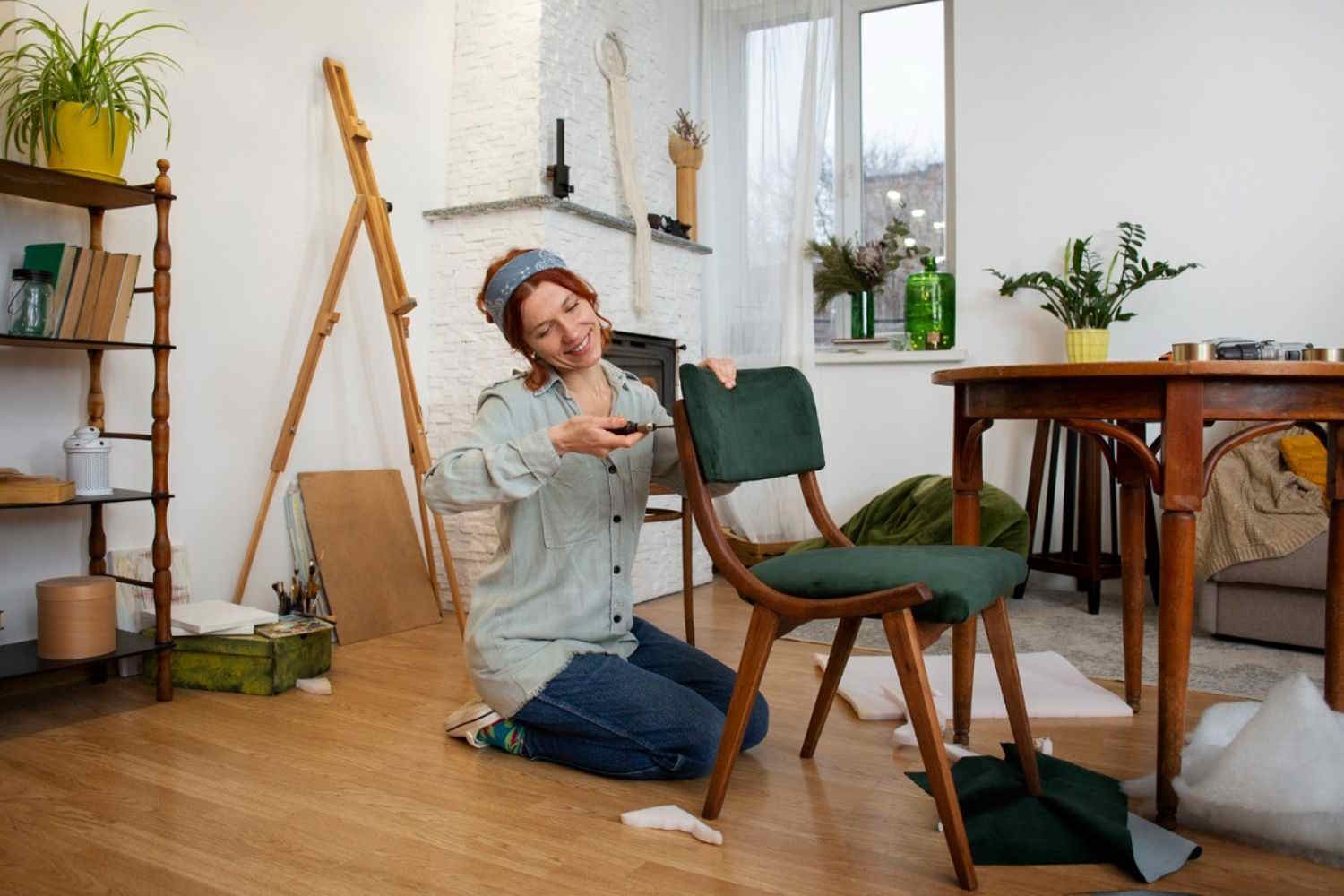
The choice of materials constitutes the second pillar for those who want to furnish an eco-friendly home. Moving towards solid wood structures with certification of origin, combined with water-based paints and recycled yarn coverings, ensures healthy indoor air and reduces the environmental impact linked to industrial production. This same criterion of attention is also reflected in the management of spaces, where the exploitation of vertical walls through suspended bookcases and full-height modules allows you to free up the floor and make the room more livable. To complete a truly sustainable project, this approach is often accompanied by the creative recovery of existing furnishings, where the conservative restoration of old wooden pieces gives a touch of authentic personality to the interiors, prolonging the life cycle of the furniture and reducing the need for new purchases.
Conscious habits for sustainable daily management
Preserving the value of sustainable furniture means taking care of it through simple but effective daily habits. The use of closet organizers, drawer dividers and stackable boxes helps maintain daily order, preventing the unnecessary accumulation of objects and making household cleaning easier. Likewise, the choice of sofas and armchairs with removable and washable covers simplifies the maintenance of the fabrics, protecting the upholstery from wear without having to replace them after a few years. Finally, the flexibility of the chosen accessories allows you to reorganize the spaces in the event of a move or changing family needs, safeguarding the value of the furnishings purchased. Designing the house carefully therefore demonstrates how the optimization of space and respect for nature lead to a concrete improvement in the quality of daily life.
