
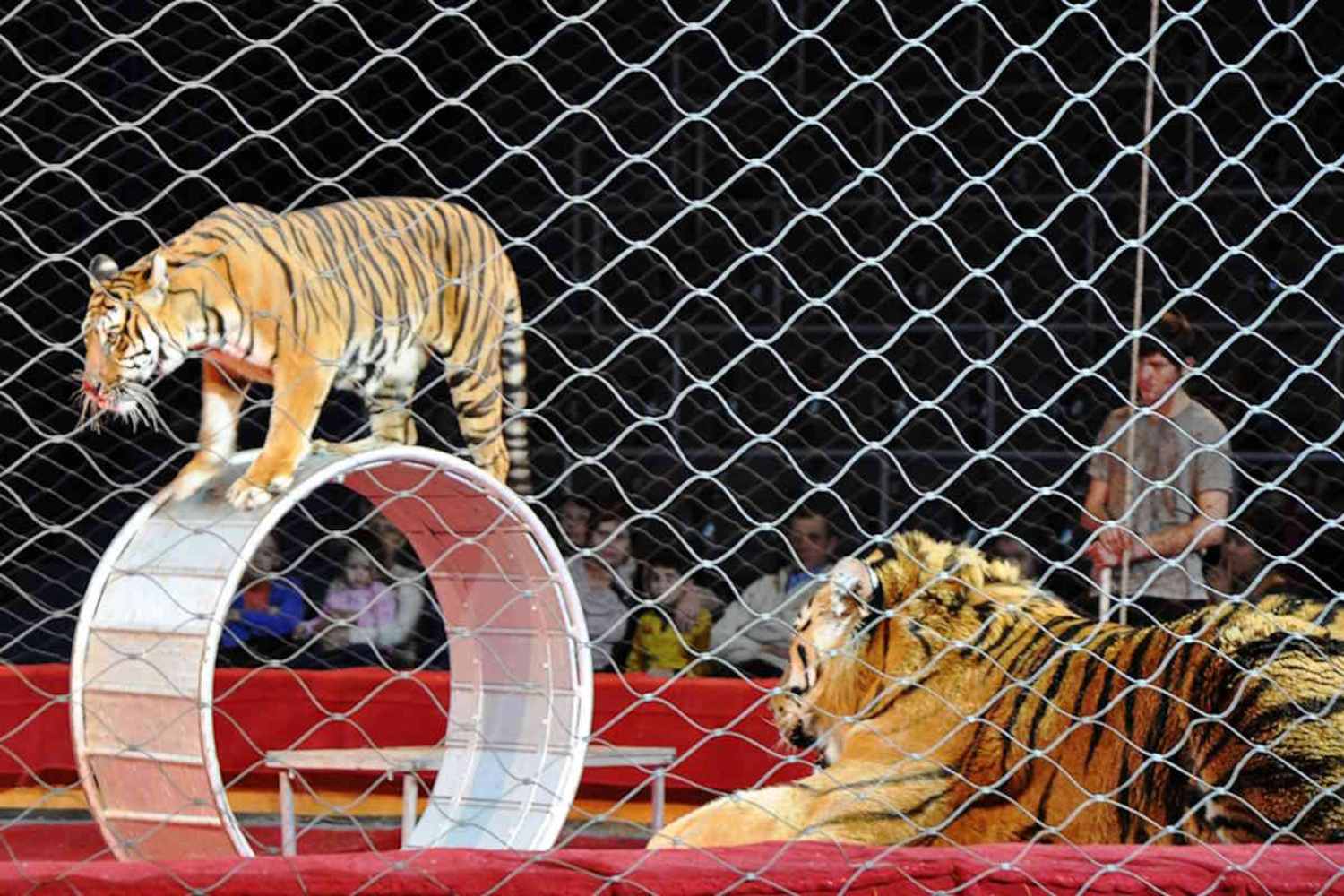
An epochal decision marks a fundamental victory for animal welfare in Europe. Through Government Decree 124/2026, Hungary has officially sanctioned the absolute ban on the use of wild animals in circuses starting from 1 January 2027. The measure, announced by the executive spokesperson Éva Magyar, comes a few months after the election of Prime Minister Péter Magyar and is the result of ten-year battles conducted by environmental organisations, among which the commitment of Raul Vida, CEO, stands out. of the magazine Evidence.
The legislation establishes a definitive stop to the training, breeding, purchase and exhibition of 25 animal groups, including large cats, elephants, primates and bears, extending the restrictions to hybrids up to the fourth generation, while excluding domestic species such as dogs, cats and horses.
A transition plan between ethics, protection and safety
The new law responds to modern standards of safety and ethical respect, overcoming the previous partial rules which still allowed the entry of specimens from other countries. The plan conceived by László Gajdos, Minister for the Housing Environment and former director of the Nyíregyháza zoo, guarantees a gradual transition phase: the specimens currently held by the facilities will not have to be urgently relocated, but will be able to remain in the complexes until the natural end of their lives without however being trained or exhibited.
The initiative has even found the support of the local circus sector: József Richter Jr., director of the Hungarian National Circus, said he was ready to welcome the Indian elephant Szandra, the last wild specimen still active in the country, into the Richter Safari Park to guarantee her a suitable environment.
The situation in Italy and the continuous postponements of the law
While Budapest charts the path to ethical entertainment, the Italian situation remains stuck in a disconcerting regulatory limbo. Law 106/2022 had formally provided for the gradual elimination of the use of animals under tents, but the drafting of the implementing decrees suffered repeated setbacks. The Senate’s latest intervention extended the final deadline to December 31, 2026, leaving thousands of sentient beings imprisoned in cages and forced to continually travel. Adding to the complexity of the situation are the rulings of the Council of State, which prevented individual municipalities from issuing local prohibition ordinances for reasons of state competence.
The time of waiting is over: no more exploitation
The complaints presented by environmental associations highlight how every single extension represents a further and unjustified deprivation of freedom. The Hungarian example demonstrates that the conversion towards shows focused exclusively on the skill of acrobats, jugglers and human artists is not only possible, but is a civil duty that can no longer be postponed. It is time for the Italian government to speed up the implementation of the decrees, stopping this anachronistic exploitation forever.
