
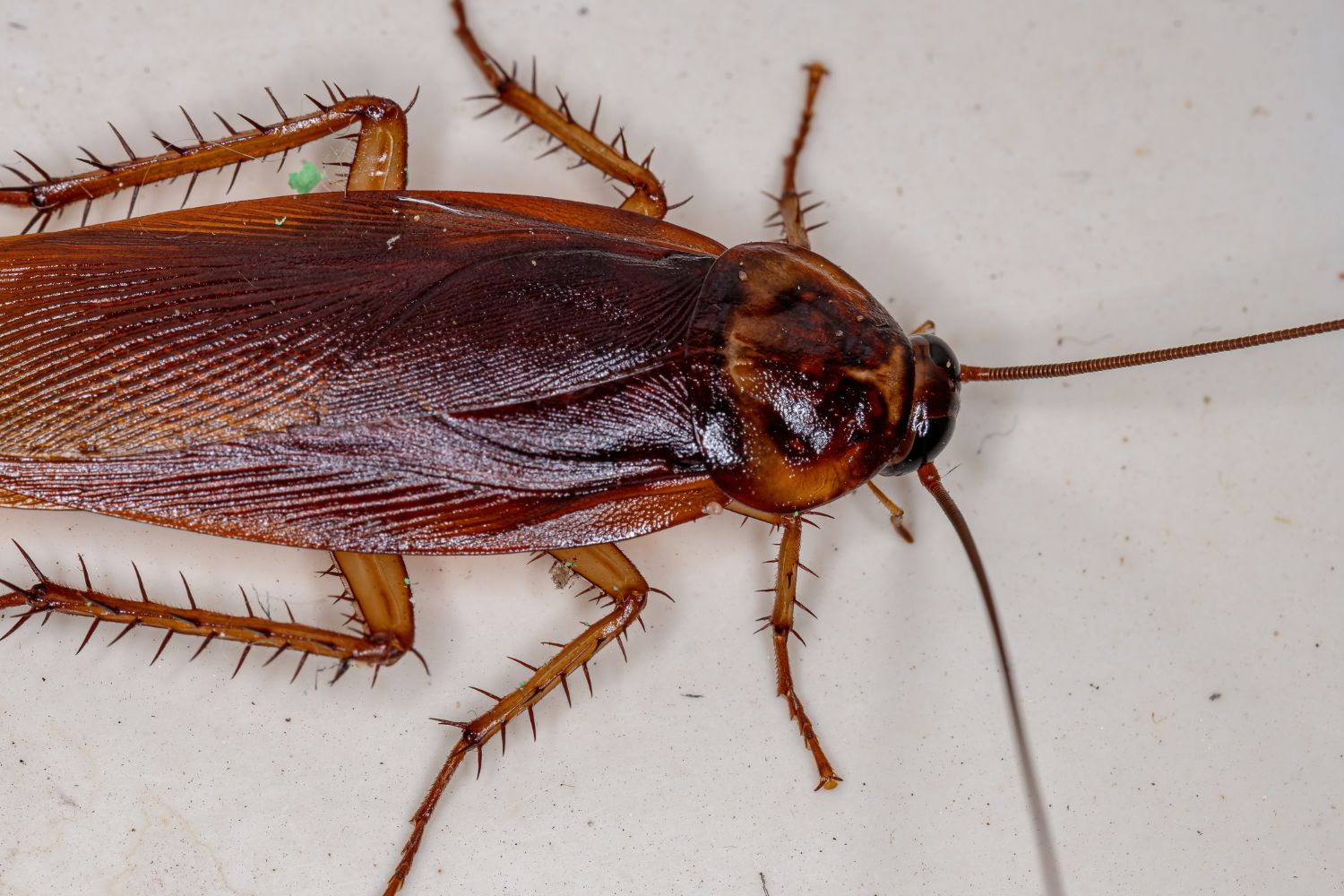
Hardly imaginable a priori but true: the cockroach Diploptera punctata (D. punctata) produces incredibly nutritious milk, up to three times that of cows. An international research group (Japan, USA, France, India) discovered this in 2016 and the study was published in the journal International Union of Crystallography. Today this research won the IgNobel Prize for Chemistry.
As the authors explain, D. punctata represents one of the few examples of viviparity among insects. In other words, just as in mammals, the mother provides nourishment in the form of a milky secretion, known as Lili-Mipto the 9-12 developing embryos present in its incubator sac.
And, just like mammalian milk, the Lili-Mip It acts as a complete nutrient, providing all the essential amino acids, carbohydrates deriving from the glycans linked to them and lipids thanks to the presence of linoleic and oleic acids.
After ingestion by the embryos, its increasing concentration in the midgut facilitates the crystallization of Lili-Mip. And from here the research started, which first determined the structure, demonstrating that the nutrient belongs to the lipocalin protein family.
©International Union of Crystallography
Some authors already argued that Lili-Mip was really very nutritious, given the high growth rate of the larvae from birth to reproductive maturity in 43-52 days compared to 160 days of the ovoviviparous larvae of Rhyparobia maderaedemonstrated way back in 1958.
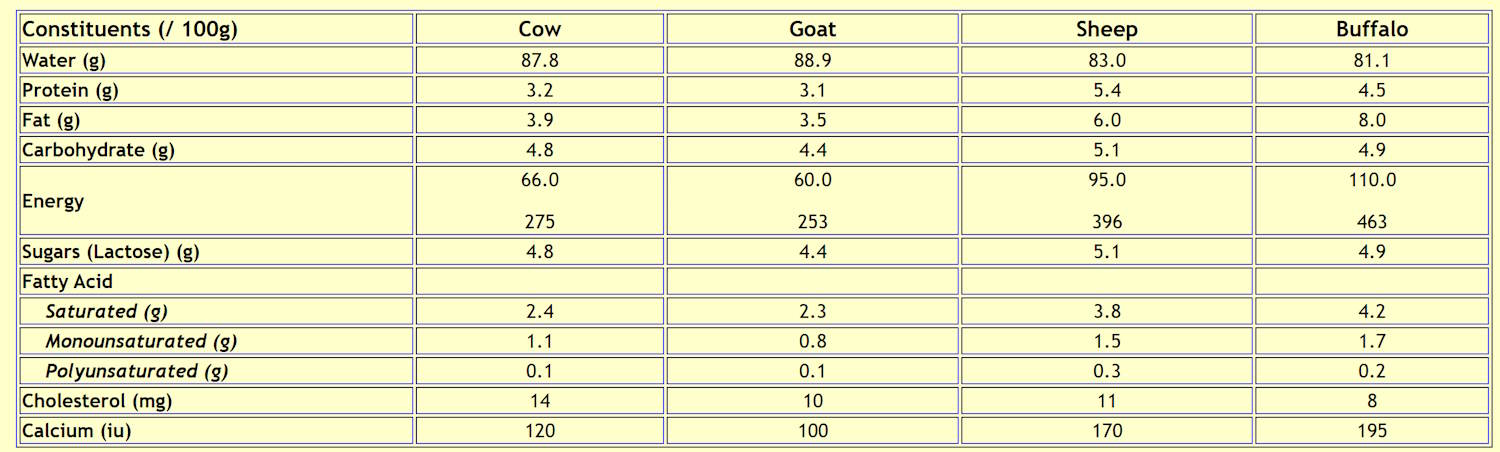
But the 2016 study, now winner of the IgNobel for chemistry, verified it thanks to a detailed analysis of the crystal: a single Lili-Mip crystal in the midgut represents approximately 3.7 × 10⁻⁵ J and corresponds to more than three times the energy provided by equivalent masses of milk from mammals of different species.
©North Wales Buffalo
Would you have ever said it?
Sources: Annals of Improbable Research / Annals of Improbable Research/Youtube / International Union of Crystallography
