
First came the dead mussels in the farms. Now the counting begins. For Campania mussel farming, 2026 is turning into a very difficult year: after the health and commercial problems of the spring, the summer brought unusually hot water and a serious death of mussels. UNCI AgroAlimentare and the Producers’ Organization Mytilus Campaniae speak openly about companies in difficulty and even go so far as to evoke a “Christmas without mussels”.
According to the two sector organisations, during the summer the sea temperature would have risen on average by around 3.5 °C above seasonal values: in the press release released the death was reported directly by the producers.
That the Mediterranean has been exceptionally warm, however, does not come from a chat on the pier. Data from the European Copernicus program shows that in the summer of 2026 a large marine heat wave affected the western Mediterranean. On August 13, above-average surface temperatures were still widespread, with anomalies reaching around 6 °C in some areas of the basin. This confirms the exceptional thermal context, although without automatically transforming the +3.5 °C declared for Campania farms into a data certified by Copernicus.
For mussels, 28 degrees for weeks can become a serious problem
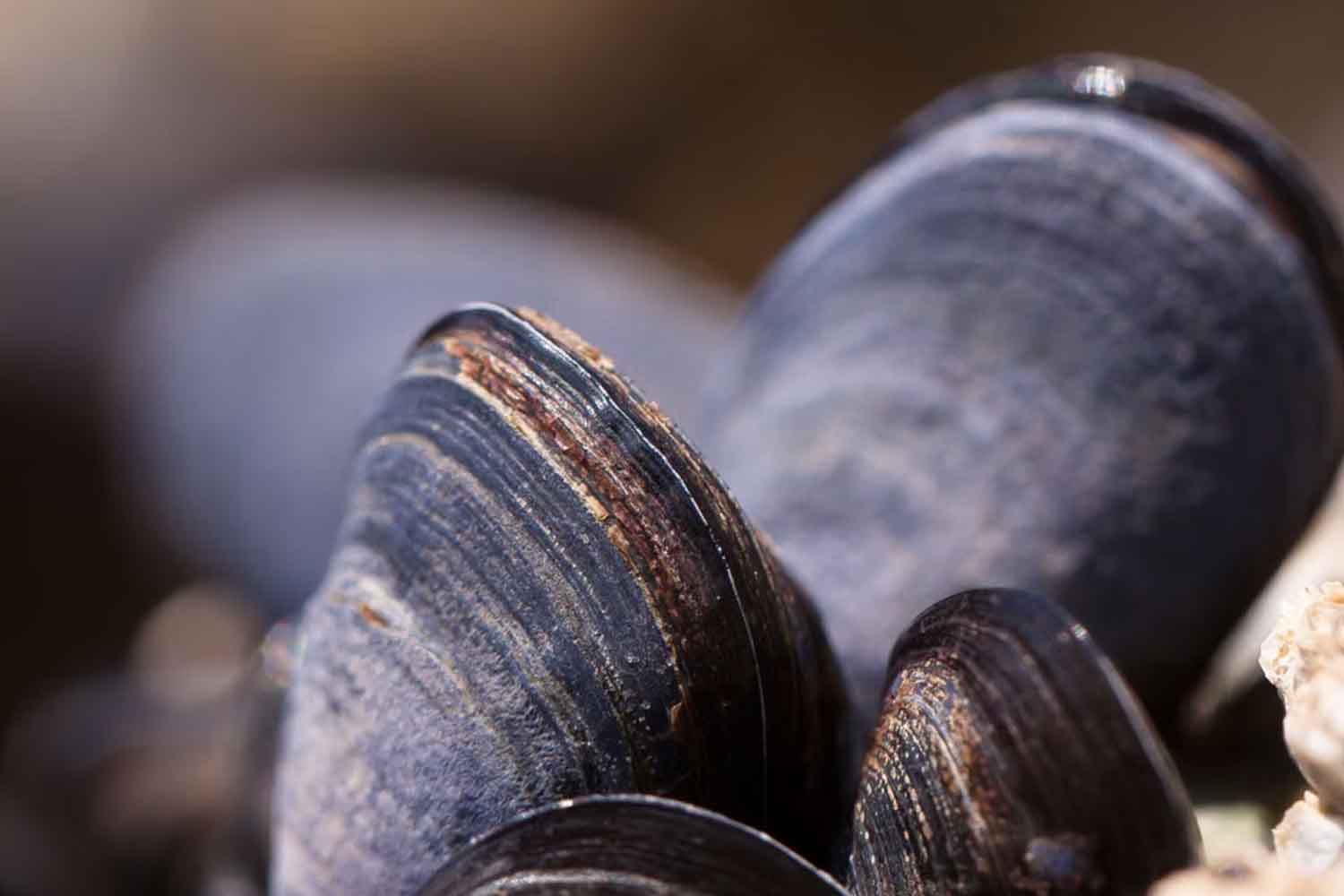
For one Mytilus galloprovincialisthe Mediterranean mussel also bred along the coasts of Campania, a few degrees is not exactly a beach thermometer detail. In an experimental study published in PLOS Onespecimens kept for 25 days at 28 °C achieved a mortality of 72.2%; after 30 days it reached 81%. At 24 °C the final mortality was 4.44%. They are laboratory results and not measurements from Neapolitan farms, therefore they cannot be used to calculate Campania losses. However, they show well what can happen when the heat stops being a peak and becomes a long stay.
Prolonged heat puts pressure on the mussel’s metabolism, increases oxidative stress and can progressively compromise its physiological capabilities. Previous experiments on the same species had already observed increasing mortality starting from prolonged exposures around 26 °C and much higher values approaching 30 °C. Work conducted directly in the Adriatic during a marine heat wave also recorded a sharp decline in populations when temperatures exceeded 29-30°C for prolonged periods. The sea, local conditions and the animals observed change; the direction, unfortunately, changes much less.
In Campania there are over 30 plants and more than 6,000 tons per year
The problem weighs heavily because here mussels are much more than an ingredient for peppered pepper. As of May, the Campania region had over 30 mussel farming facilities, along with purification centers and approximately 50 shipping centers. The regional production of the sector exceeds 6,000 tonnes per year, for an indicated value of around 5 million euros. The most productive areas remain above all the Phlegrean one and the Torrese-Stabiese coast.
And in 2026 the local mussel was also trying to earn another piece of paper, this time a welcome one: on 4 June the application to register the “Mussel Campana PGI” was presented. The procedure is still ongoing. The proposed specification includes the productions of the Gulf of Naples, the Gulf of Pozzuoli, the Vesuvian-Sorrento coast, the Domitian coast, the Gulf of Salerno and the Cilento coast up to the Gulf of Policastro. A rather broad geography, which makes it equally important to understand where and how much the deaths really affected.
After the spring crisis, another blow for producers
Summer has arrived on a sector that had already had a busy spring. In February, after the increase in cases of hepatitis A and the evidence collected in epidemiological investigations, the Region strengthened controls on the entire bivalve mollusc supply chain, involving ASL and the Experimental Zooprophylactic Institute of Southern Italy. A regional campaign on the safe consumption of mussels also started in April. UNCI had in the meantime reported a sharp drop in sales due to consumer fear.
Now the problem is physical and lies directly in the water. How much product has been lost in Campania, however, has not yet been quantified in a regional public survey. Even the hypothesis of a “Christmas without mussels” therefore remains, at present, the alarm of the producers’ associations and not a prediction based on an official estimate of availability for the coming months. The formula works great. The damage census, a little less quickly.
However, the precedent of other Italian coasts suggests not to dismiss the matter as a bad summer. In the Northern Adriatic the exceptional temperatures have caused widespread deaths this year and the Emilia-Romagna Region has already started a survey of the losses. In Campania that number is still missing, while one thing is already visible: a supply chain that literally lives inside the sea must now also deal with how long that sea can stay warm.
