
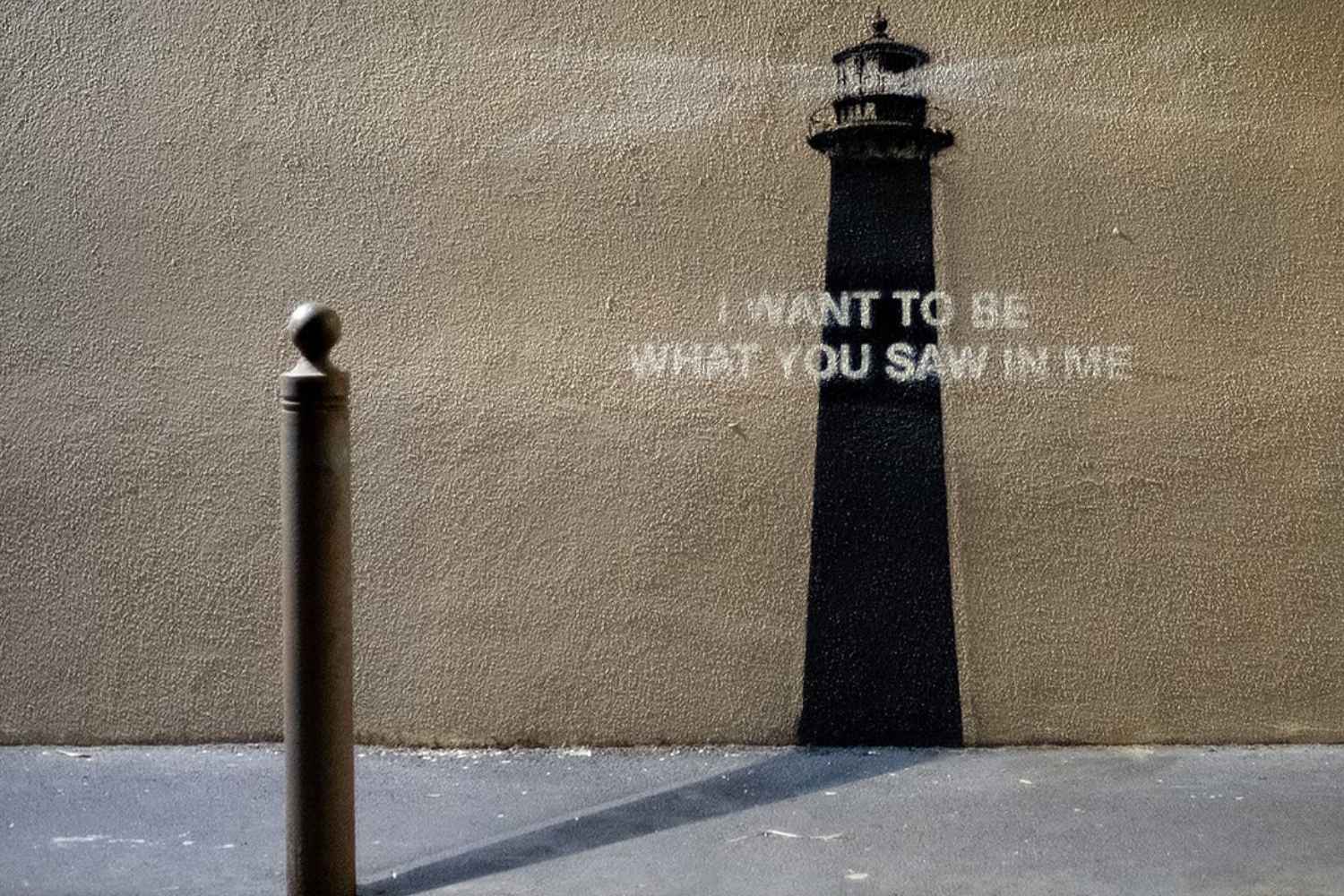
Twenty-six works created to be free, now sold at auction for seven-figure sums is the short circuit on which it is built BANKSY and Street Artthe exhibition that will occupy the Republican Arsenals of Pisa from 26 December 2026 to 16 May 2027. For the first time the Tuscan city hosts a substantial nucleus of works by the Bristol artist, flanked by two names who wrote the history of urban art with him: Keith Haring and Shepard Fairey, aka Obey. The itinerary is curated by Daniel Buso, for an ARTIKA production created together with Deodato Arte and the Municipality of Pisa.
From the street to the museum: a declared contradiction
The theme, rather than yet another celebration of a pop phenomenon, is its underlying contradiction. Street art was born outside the official circuits, often outlawed, almost always free for those who encounter it on the street. Within a few decades, however, those same works ended up in auction houses, private collections, and museums that once ignored them. The Pisan exhibition does not hide the uncomfortable question: can a work removed from the wall and sold for millions still be considered “street”? And what happens to a movement born against the art system when it is the art system that courts it?
Banksy, the myth of anonymity worth millions
Banksy inevitably remains the center of gravity of the journey. The face or name of the artist is not known (although there is some suspicion) and this obstinate silence, together with the use of the stencil as a political weapon against governments, police and capitalism, has fueled a myth that is worth more today than many historical signatures of the twentieth century are worth. The paradox is that precisely those who have made criticism of the art market a stylistic feature have become one of the most popular artists in the world. The works on display include Pulp Fiction (2004) and Bomb Love (2003), both limited edition screenprints.
Haring and Fairey, the other voices of the movement
Alongside Banksy, Keith Haring talks, who in the 1980s brought the typical black sign (essential, almost childish in form, far from naive in content) to the New York subway stations. Haring rejected the idea that art should remain the prerogative of a few: his battle, even before being aesthetic, was one of accessibility. And then there is Shepard Fairey, who signs himself Obey not by chance: the term, “obey”, ironically reverses the relationship between those who watch and those who produce the images that surround us, in a society saturated with visual messages that we rarely stop to decipher.
Useful information
When: from 26 December 2026 to 16 May 2027
Where: Republican Arsenals, Pisa
Opening hours: Wednesday to Friday 10:00-13:00/14:00-19:00 / Saturday, Sunday and holidays 10:00-19:00 / Monday and Tuesday closed
Official website: artika.it
