
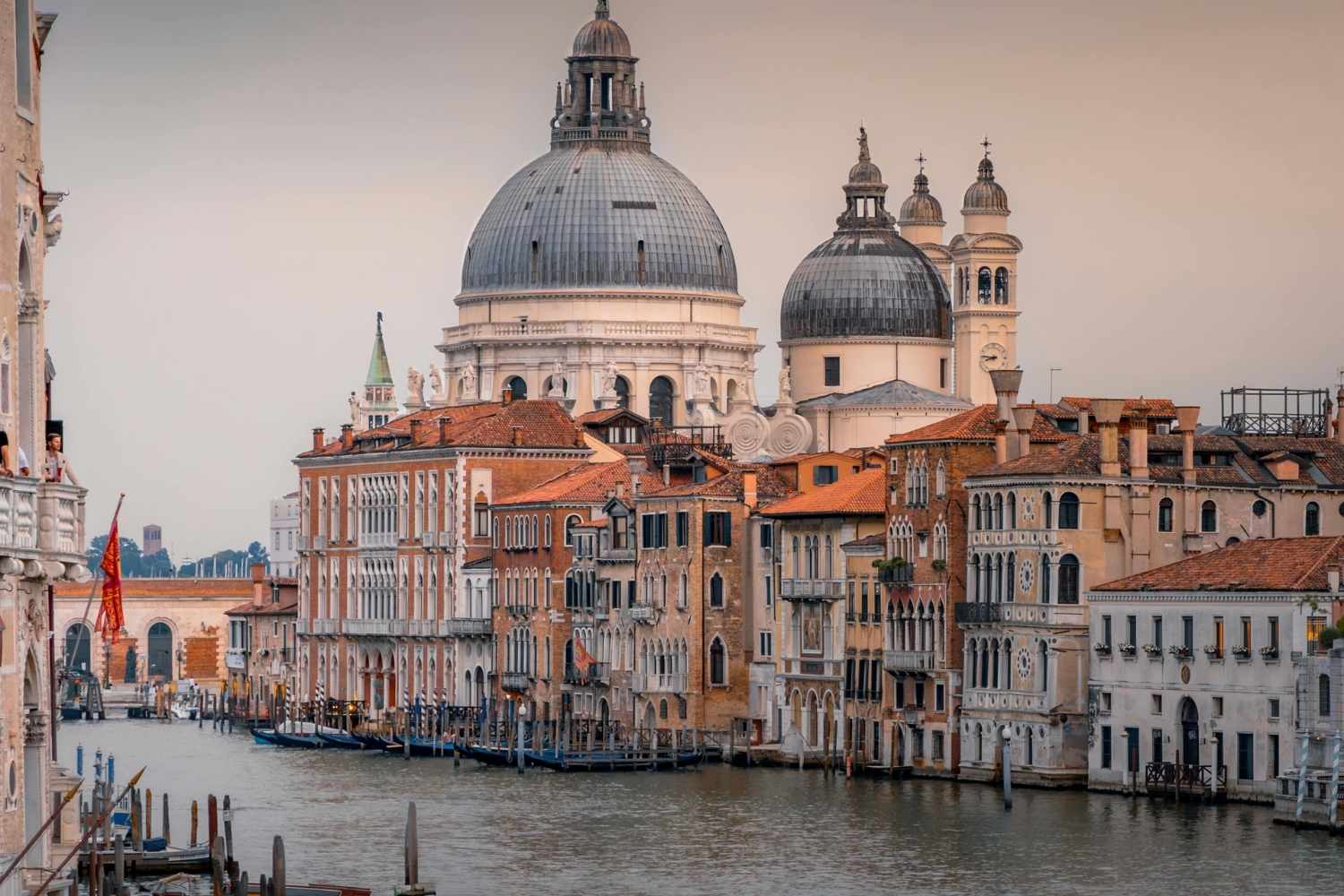
After three years of field testing, the system for regulating arrivals in the lagoon is preparing to radically change its appearance. Starting from 2027, the access fee for daily visitors is destined to become a structural and decidedly heavier measure, exceeding the old quotas of between 5 and 10 euros envisaged by the system introduced in 2024 – with tariffs differentiated based on advance notice and a calendar that covers up to 60 days in 2026 – and now considered ineffective as a deterrent.
The increase in the access fee to 30 euros
The change was announced by the Councilor for Budget and Taxes Michele Zuin, who explained to the Journal that the objective of the administration led by mayor Simone Venturini is not to make money, but rather to stem overtourism in the red flag days to protect residents who suffer the inconveniences of a city reduced to an anthill. The figures being examined by the government and Parliament foresee a significant leap: a maximum peak of 50 euros has been discussed, but the most concrete hypothesis is around 30 euros per person.
An amount specifically designed to discourage hit-and-run tourism, pushing those who visit the city for a few hours – perhaps on critical days like May 1st – to opt for alternative destinations. Also on the table is the expansion of the calendar, which currently covers the period from April to July and could be extended by also including the months of March and September, an operation that the councilor defines as delicate to avoid damaging local commercial activities.
The increase in the tourist tax
The strategy of the municipal administration does not stop only at day visitors, who we remember are the only ones who pay the ticket while overnight tourists are exempt as they are already burdened by the tourist tax. Precisely on this front, the Municipality aims to align with other large Italian art cities such as Milan, Naples and Turin, introducing an increase in the tourist tax with an estimated ceiling of between 8 and 9 euros for 5-star hotels.
Will Venice become just a city for the rich?
However, the prospect of such a high entrance fee raises profound questions and heated discussions about the social sustainability of these choices. The real risk is that the fight against mass tourism will end up transforming the city into a real luxury good, accessible only to a privileged few. If you think of a family of 4 people, the cost of the entrance ticket and hotel rates alone risks making the stay prohibitive. And here comes the big underlying question: are we really sure that the solution to protecting the lagoon must pass through its elitization, forgetting that Venice, before being an open-air museum or an international case study, belongs to all of us?
