
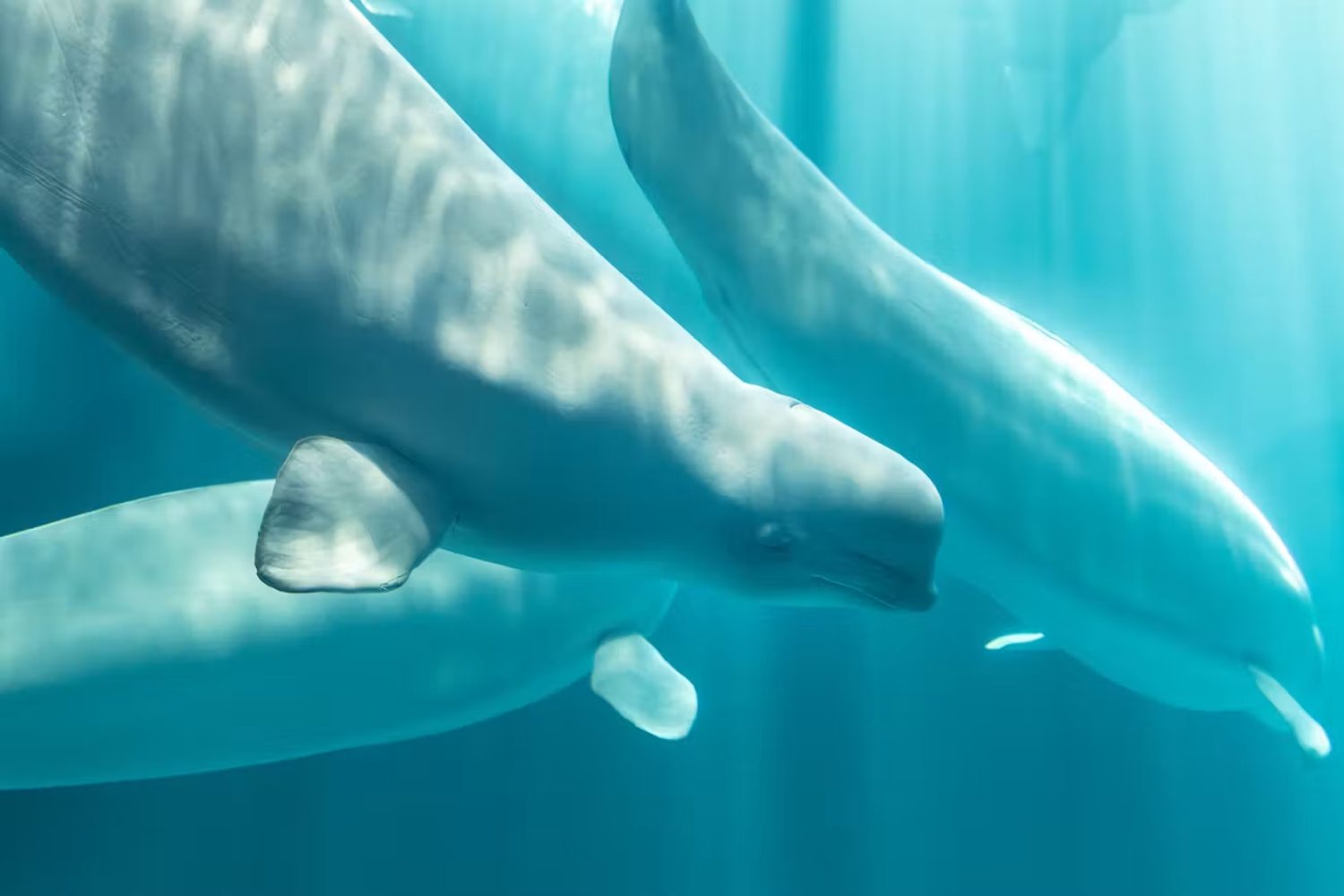
The largest rescue operation for captive marine mammals in recent history is turning into a never-ending ordeal. More than 30 beluga whales and 4 dolphins had been urgently evacuated from the Canadian Marineland park in Niagara Falls, which closed in 2024 after threats of euthanasia from the old keepers due to running out of funds. However, the new life in excellent facilities proved fatal for several specimens.
In fact, three rescued belugas are mourned at the Shedd Aquarium in Chicago – 23-year-old Peekachu who died on August 25, 20-year-old Rain who died on September 2, and 26-year-old Osiris who passed away in recent days – while Jelly Bean died at the Oceanogràfic de València in Spain. Scientific authorities and animal rights associations denounce how the massive international movement has dramatically accelerated the clinical deterioration of already tested animals.
View this post on Instagram
View this post on Instagram
The clinical ordeal and sudden death of Osiris
The disappearance of Osiris, in particular, revealed the extreme fragility of these animals. Since her arrival at Shedd Aquarium, the 26-year-old female beluga had been listed as a subject of greatest clinical concern. The veterinary team immediately had to face serious nutritional difficulties, as the specimen did not eat with the regularity necessary to take in nutrients and electrolytes.
Despite the temporary improvements obtained thanks to liquids, drugs and supportive therapies that had stimulated the appetite and the first social interactions, the situation suddenly worsened. Curators noted sudden changes in behavior and breathing patterns, prompting immediate transfer to the medical habitat. Despite desperate rescue attempts, conditions quickly deteriorated leading to death, while a complete necropsy will try to shed light on the exact causes of a death that is difficult to predict.
View this post on Instagram
The complaints from animal rights activists and the controversies over transport
Organizations like Animal Justice, through executive director Camille Labchuk, had openly warned the Canadian federal government and Fisheries Minister Joanne Thompson about the lethal risks of such a traumatic evacuation. Transporting beluga whales across the oceans means subjecting fragile creatures to devastating psychological and physical stress, tearing them away from trusted caregivers and familiar environments and throwing them into alien realities. Although Ottawa has defended the CITES authorizations and health assessments, the data is clear: chaotic transfers risk irreparably compromising the immune defenses of animals with already extremely complex and delicate clinical histories.
Beyond emergency rescue: what future for cetaceans
These painful disappearances shine the spotlight on a dramatic dilemma that goes far beyond simple zoological news. Faced with an operation created to save mammals from a certain condemnation, one wonders whether the devastating impact of long journeys does not end up frustrating any effort at treatment. Tearing large marine animals away from their routines to place them in distant tanks risks turning into a condemnation disguised as an act of love, imposing a radical revision of the emergency protocols for the protection of fauna in captivity.
