
Healing does not always mean returning to your old life and aHow are you?“, the most automatic question there is, almost always receives an equally automatic answer: “WellBut what happens when behind that “good” lies a story that no one sees?
This is the question at the heart of “The Whole Story”, the short film created by Breast Cancer Network Australia (BCNA) with the Australian creative agency Thinkerbellwhich tries to talk about a part of breast cancer that is often forgotten: the part that comes after the end of the treatments.
Because cancer doesn’t end at the exact moment the surgery, chemotherapy or radiotherapy ends. It almost always continues in the body, in the mind, in relationships and in the way a person looks at themselves again.
The answer that is never said
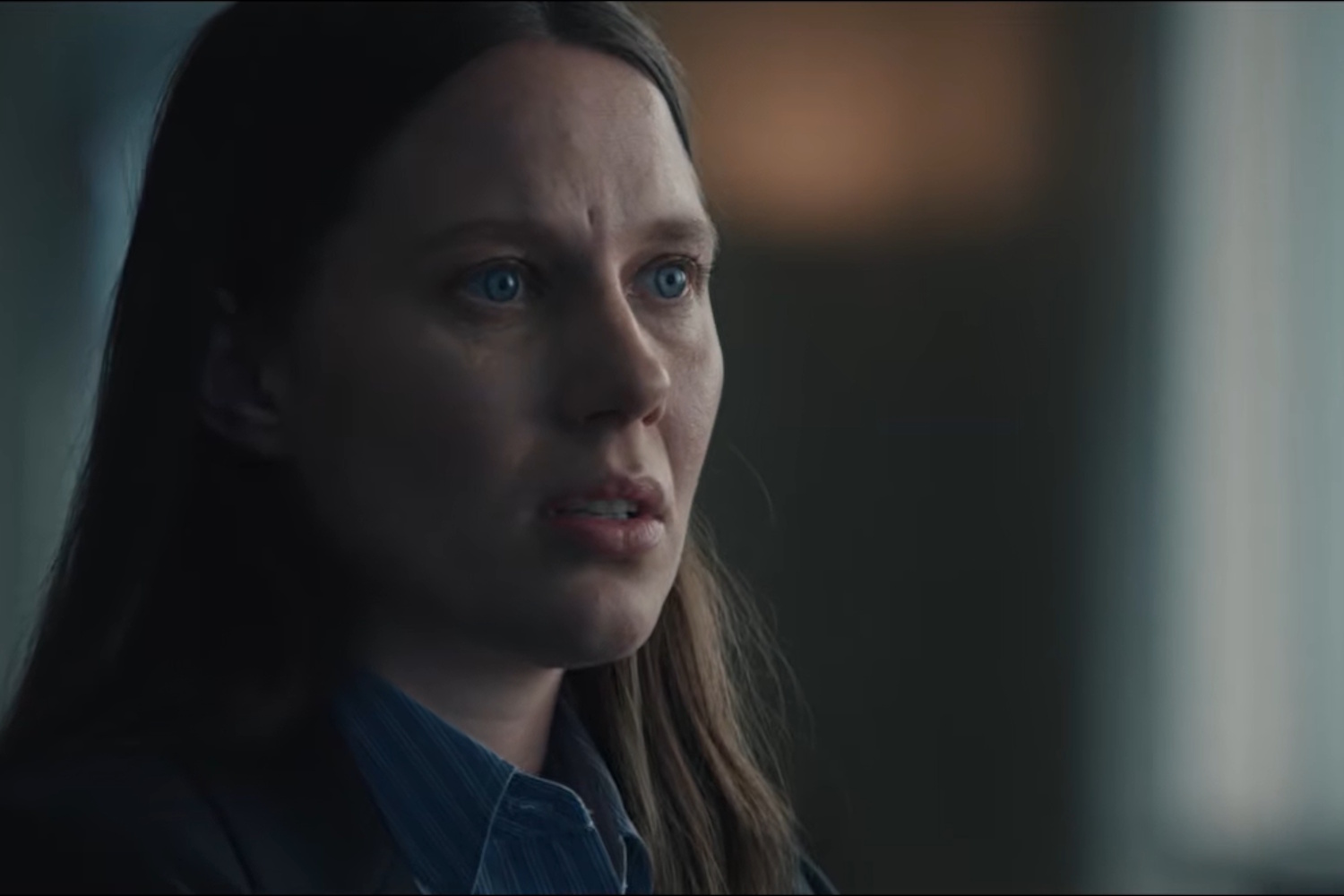
The film opens in a seemingly normal context: a work meeting. A colleague asks the protagonist how she is. Outside, in front of the others, she smiles and responds as expected: “I am fineBut another response takes shape within himself.
Played by the actress Brenna Hardingthe woman tells everything she can’t say out loud: the mental fog that makes it more difficult to concentrate on work, the economic difficulties after the illness, the loss of sexual desire, the changed relationship with her body. And again: the fear of not being able to have children, the fragility of relationships, the constant fear that the tumor could return.
It is a long internal dialogue, invisible to others, and it is precisely this contrast that makes the short film so powerful: the distance between what a person shows and what they are actually experiencing.
The story comes from the experience of Bec Chanwho received a breast cancer diagnosis at age 37. His testimony was transformed into an everyday, almost ordinary scene, to show a reality that many people affected by the disease know well: the pressure to behave as if everything had returned to normal.
After a tumor, questions often arise about survival, check-ups, and treatments completed. Much less space is given to what remains, to emotional fatigue, to the fear that does not disappear. And the difficulty of recognizing oneself after such a profound change.
“The Whole Story” accompanies the launch of the new Breast Cancer Network Australia platform, “No Life Limited by Breast Cancer”, a message that invites us to broaden our gaze on the disease.
Survival is part of the story, but it’s not the whole story. The project was also born from the results of a survey conducted by the association, which highlights the distance between the way breast cancer is perceived by public opinion and the daily experience of people who have faced it.
Advances in early diagnosis, treatment and survival are fundamental, but according to BCNA it is also necessary to talk about the physical, psychological, work and intimate consequences that may remain after the end of treatments.
An “I’m fine” doesn’t always mean everything and “The Whole Story“does not only want to talk about the pain, but also give space to those parts of the breast cancer experience that are often left speechless. After a diagnosis you don’t just have to heal from an illness. Sometimes it is also necessary to learn to live with change, rebuild the relationship with your body, find balance and accept that life after cancer can be different from what it was before.
And maybe, when we ask “how are you?”, we should learn to really listen to the answer.
