
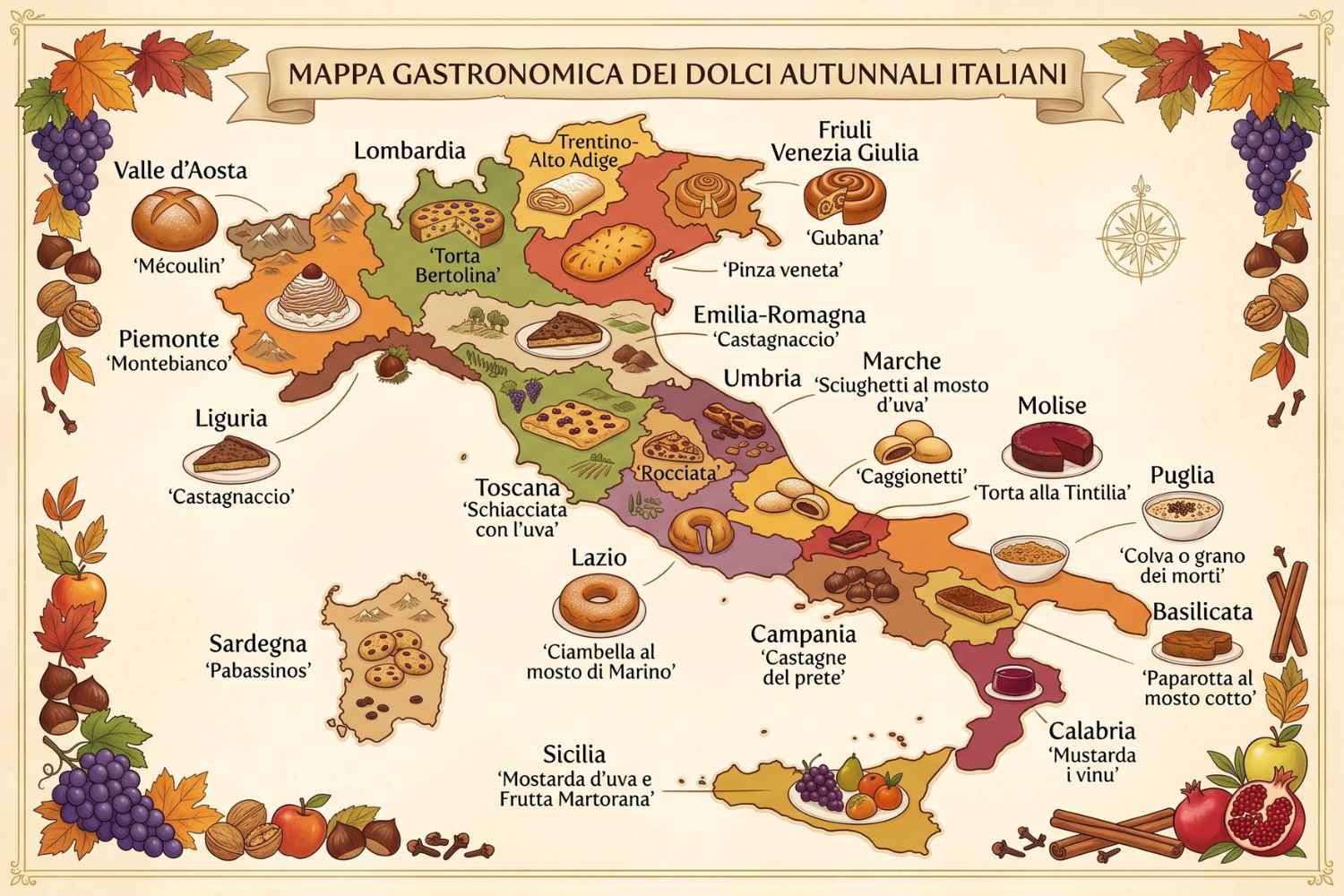
Autumn in Italy has the scent of freshly pressed must, chestnuts, apples, grapes, nuts and spices. It is the season of the grape harvest, of the first cool days and of the anniversaries of All Saints, the commemoration of the deceased and of San Martino, all occasions that have left a profound trace in the regional confectionery tradition.
Many recipes originate from peasant cuisine and use simple ingredients linked to the harvest: chestnut flour, dried fruit, quinces, pomegranate, raisins and cooked must. Others have become true symbols of the autumn holidays.
From North to South, let’s discover some of the most interesting typical autumn desserts region by region.
Aosta Valley
View this post on Instagram
Chestnuts are among the great protagonists of the Aosta Valley autumn and are used in numerous home preparations, from cakes to creams.
Among the traditional desserts we also find mécoulin, a soft sweet bread enriched with raisins, typical above all of the Cogne area and perfect to enjoy on cooler days.
Piedmont
Piedmont offers various desserts perfect for describing autumn. The Monferrina cake is a rustic and ancient preparation, with a moist and compact consistency, made with pumpkin, ripe apples, cocoa and amaretti, to which chocolate or raisins can be added.
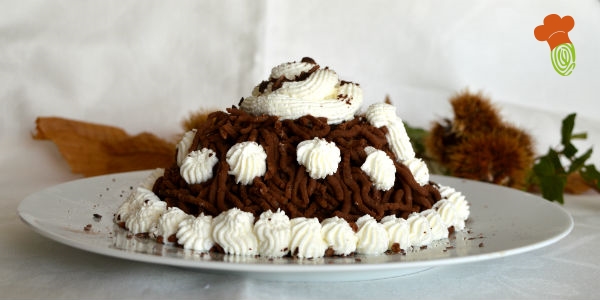
Montebianco is also very seasonal, a dessert made with chestnuts transformed into a soft puree, generally enriched with cocoa and covered with whipped cream.
The famous bunet instead combines cocoa and amaretti in a soft and intense pudding, while the Caritùn is a sweet focaccia linked to peasant tradition and the harvest, also prepared with grapes or quinces.
Liguria
@leonori/123rf
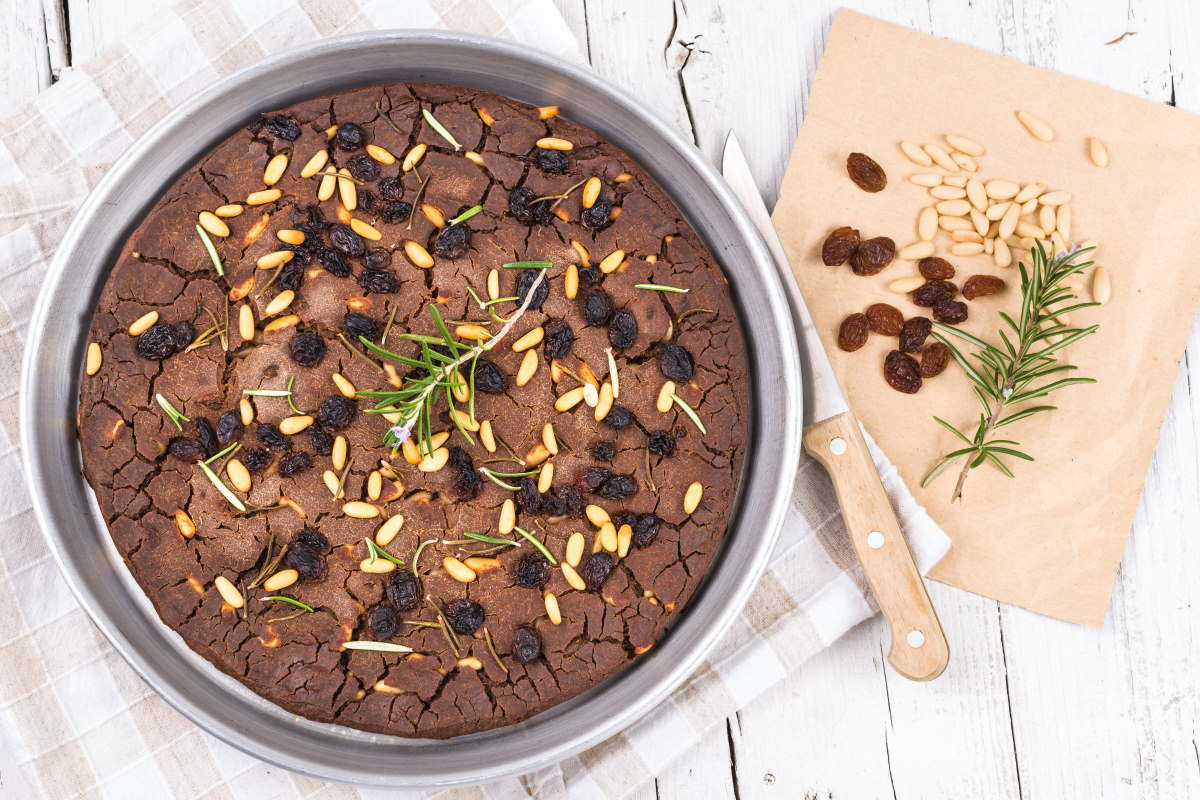
One of the simplest and most representative autumn desserts of Liguria is castagnaccio. It is prepared with chestnut flour and enriched with ingredients such as pine nuts, raisins and rosemary. Not very sweet and very rustic, it retains all the flavor of the woods and the poor cuisine of the Ligurian Apennines.
Lombardy
View this post on Instagram
Autumn in Lombardy offers desserts closely linked to the grape harvest and the November holidays. The Bertolina cake, typical of Cremasco, is prepared with strawberry grapes, which during cooking gives the dough its characteristic aroma and a pleasant acidic note.
During All Saints’ Day, especially in Milan, pan dei morti are prepared, biscuits rich in dried fruit, cocoa, spices and crumbled biscuits.
On Lake Como we find the miascia cake, an ancient recovered dessert prepared with stale bread and enriched with fresh and dried fruit.
In mountain areas, however, patùna is widespread, a variant of castagnaccio made with chestnut flour, raisins and dried fruit.
Trentino Alto Adige
Apples and chestnuts are two great protagonists of the Alpine autumn. During the Törggelen period, the traditional South Tyrolean new wine season, Apfelkiachl, apple fritters served hot and flavored with cinnamon, are enjoyed together with stuffed krapfen.
Very particular is the chestnut heart, a typical Bolzano pastry prepared with chestnut puree, sugar and rum, covered in chocolate and completed with cream.
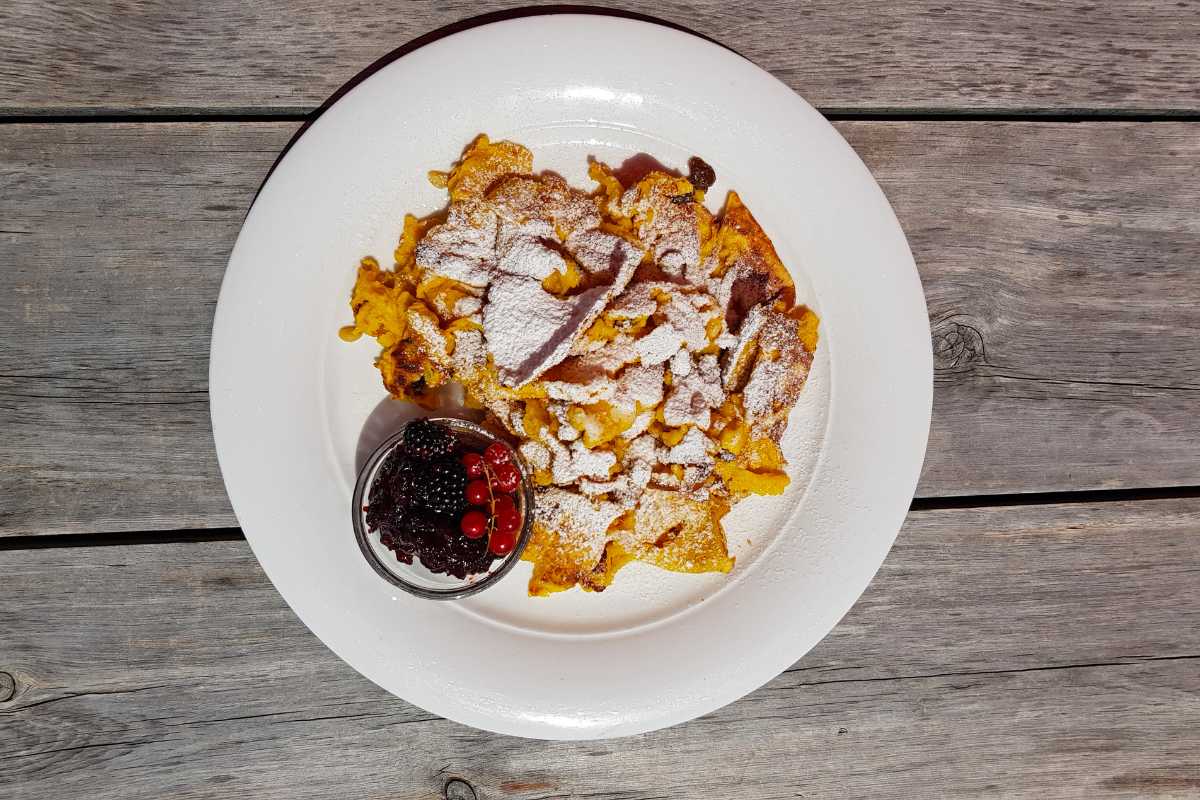
Among the most well-known desserts we naturally also find apple strudel and Kaiserschmarrn, a broken sweet omelette served hot with fruit jams.
Veneto
View this post on Instagram
Among the rustic desserts of the Venetian tradition, the Venetian pinza stands out, known by different names depending on the area. It was born as a peasant and recycled dessert and can be prepared with stale bread, corn flour, apples, dried figs, raisins, walnuts and fennel seeds.
The consistency is compact and rich, while the ingredients perfectly recall the flavors of rural autumn and winter.
Friuli Venezia Giulia
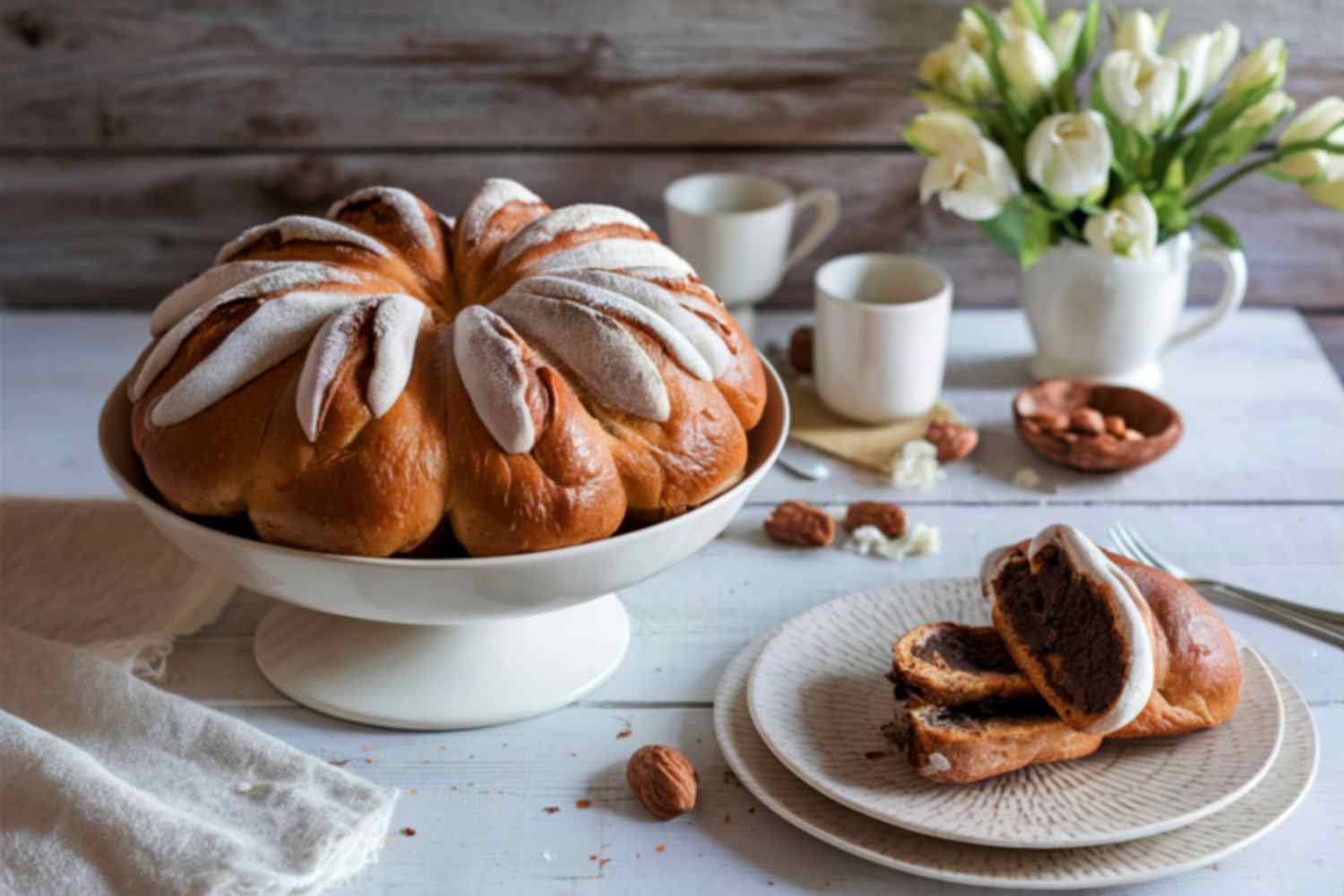
Friulian pastries are rich in dried fruit, spices and Central European influences. Gubana is one of the most representative specialties: a leavened dessert rolled around a filling rich in walnuts, hazelnuts, pine nuts, raisins and herbs.
It was not created exclusively as an autumn dessert, but the abundant presence of dried fruit and its substantial character make it ideal for the colder months.
Emilia Romagna
In the Apennine areas of Emilia-Romagna, autumn is closely linked to the chestnut harvest. Chestnut flour is used to prepare chestnut cakes, rustic cakes and pancakes, while areas such as Castel del Rio celebrate the chestnut with traditional festivals and recipes.
Between October and November, chestnuts become the protagonists of a simple sweet cuisine deeply linked to the territory.
Tuscany
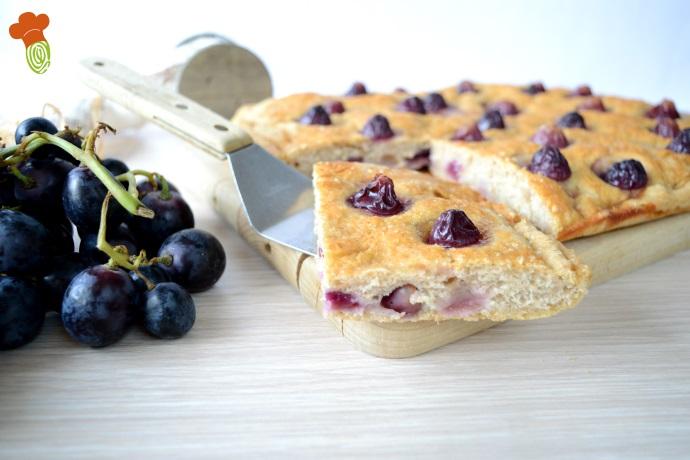
Few regions describe autumn through desserts like Tuscany. Schiacciata with grapes is the harvest dessert par excellence: a dough similar to that of bread is filled and covered with black grapes and sugar.
Castagnaccio instead celebrates another great product of the season. Prepared with chestnut flour, pine nuts, raisins, oil and rosemary, it is one of the symbols of Tuscan poor cuisine.
Umbria
View this post on Instagram
In Umbria one of the most characteristic autumn desserts is the pietrata: a thin pastry is filled with apples, nuts, raisins, sugar, cinnamon and other aromatic ingredients and then rolled before cooking. Rich in fruit and spices, it is a preparation traditionally linked above all to the colder months and the autumn holiday period.
Marche
View this post on Instagram
In the Marche the harvest period brings sciughetti to the table, called by different names depending on the area. They are a simple preparation made from grape must, corn flour and walnuts, cooked to a thick consistency. A poor and ancient recipe that perfectly encapsulates the flavor of Marche autumn.
Lazio
View this post on Instagram
Lazio has several desserts closely linked to the autumn season. The Marino must donut, typical of the Castelli Romani, is prepared between September and October during the harvest. It is soft, leavened and fragrant thanks to the fresh grape must and raisins. In the Apennine areas we also find castagnaccio, known in some areas as baldinoprepared with chestnut flour, dried fruit and rosemary. Chestnuts also become the protagonists of sweet ravioli, small parcels fried or baked and filled with a chestnut cream, chocolate and herbs.
Abruzzo
View this post on Instagram
In Abruzzo the transition from autumn to winter brings with it caggionetti, also known as calcionetti.
They are small fried sweet ravioli with fillings that change from one area to another. Among the more seasonal variations we find those prepared with chestnuts, cocoa, dried fruit or chickpeas. They are particularly popular in the period preceding the Christmas holidays.
Molise
View this post on Instagram
The Molise confectionery tradition preserves several interesting preparations linked to autumn. The Tintilia cake uses the famous Molise red wine together with chocolate, butter, eggs and often almonds or hazelnuts. Piccillato, on the other hand, is a dessert of peasant origin that can be enriched with seasonal fruit and jams. Pasta vinnisca is also directly linked to the harvest, a humble recipe from the family tradition prepared during the grape harvest period.
Campania
In Campania, autumn, especially in the internal areas of Irpinia, means chestnuts. Priest chestnuts are an ancient specialty: they are slowly dried, toasted and subsequently rehydrated, obtaining an intense flavor and a particular consistency.
The Neapolitan-style castagnaccio offers a richer version of the classic chestnut flour dessert, with cocoa, dried fruit and sometimes chocolate. Montella and Serino chestnuts are also used for creams, pastries and marron glacé.
Puglia
View this post on Instagram
Apulian autumn desserts are closely linked to the grape harvest and the celebrations of All Saints and the dead. Colva or wheat of the dead is one of the most particular preparations: cooked wheat seasoned with pomegranate seeds, vincotto, walnuts, dried figs and chocolate.
Pupurati, especially typical of San Severo, are spiced biscuits prepared with cocoa, almonds, cinnamon, cloves and cooked must. In Salento we find quince, a compact preparation obtained by cooking quinces with sugar and lemon.
Basilicata
View this post on Instagram
Paparotta is one of the desserts that best describes the Lucanian autumn. It is a traditional peasant preparation linked to the harvest period, made using cooked grape must until it obtains a dense and sweet consistency.
Chestnuts are also the protagonists of the Lucanian autumn months and are used for fillings, fried desserts and home preparations.
Calabria
View this post on Instagram
Must, chestnuts, dried figs and dried fruit characterize the Calabrian autumn. Mustarda i vinu is an ancient preparation of the harvest obtained from cooked grape must, often enriched with dried fruit and spices. The chestnut log is also very autumnal, prepared with boiled chestnuts, cocoa, sugar and dried fruit. In the month of November we find the pitta of San Martino, while as winter approaches the fig crosses appear, dried figs stuffed with walnuts, cinnamon and citrus peel.
Sicily
View this post on Instagram
In Sicily, autumn has one of the richest confectionery traditions in Italy. Grape mustard, or mostatedis closely linked to the harvest and is prepared by thickening the cooked must. Then, between the end of October and the beginning of November, the desserts of the Festival of the Dead arrive. Martorana fruit reproduces fruit and vegetables through hand-shaped and colored almond paste.
The coppers of Naples, especially typical of Catania, are soft cocoa sweets covered in chocolate.
The period is completed by the bones of the dead and the biscuits of San Martino, traditionally enjoyed in the month of November, often accompanied by sweet or passito wine.
Sardinia
View this post on Instagram
One of the symbolic desserts of Sardinian autumn are the pabassinos, also called papassine or pabassinas. The name comes from pabassaraisins, a fundamental ingredient together with almonds, walnuts, sugar and flavorings such as orange peel and cinnamon.
They are often covered with white icing and decorated with small colored sugared almonds and are traditionally linked to the celebrations of All Saints’ Day and the month of November. In the same period, sapa bread is also prepared, an aromatic dessert in which cooked must meets dried fruit and spices.
From the Lombard Bertolina cake to the Lazio must donut, from the Lucanian paparotta to the Sicilian mustard, many Italian autumn desserts were created precisely to use the products of the harvest and the harvest.
Alongside the must we find chestnuts, protagonists of the mountain areas from North to South, and then apples, quinces, walnuts, almonds, dried figs and pomegranate.
Added to these ingredients is the calendar of popular traditions: All Saints’ Day, the commemoration of the dead and San Martino gave rise to biscuits and sweets that still return to the tables today between October and November.
