
It’s not just emissions or the number of cycle paths that tell how sustainable a city is. Increasingly, the way in which a territory manages tourism, involves local communities, protects the environment and builds an urban model capable of lasting over time also matters.
This balance is measured by the Global Destination Sustainability Index 2026 (GDS-Index), the international ranking created by the Global Destination Sustainability Movement, which evaluates tourist destinations on the basis of four large areas: management and promotion of tourism, sustainability of the local supply chain, social progress and environmental performance.
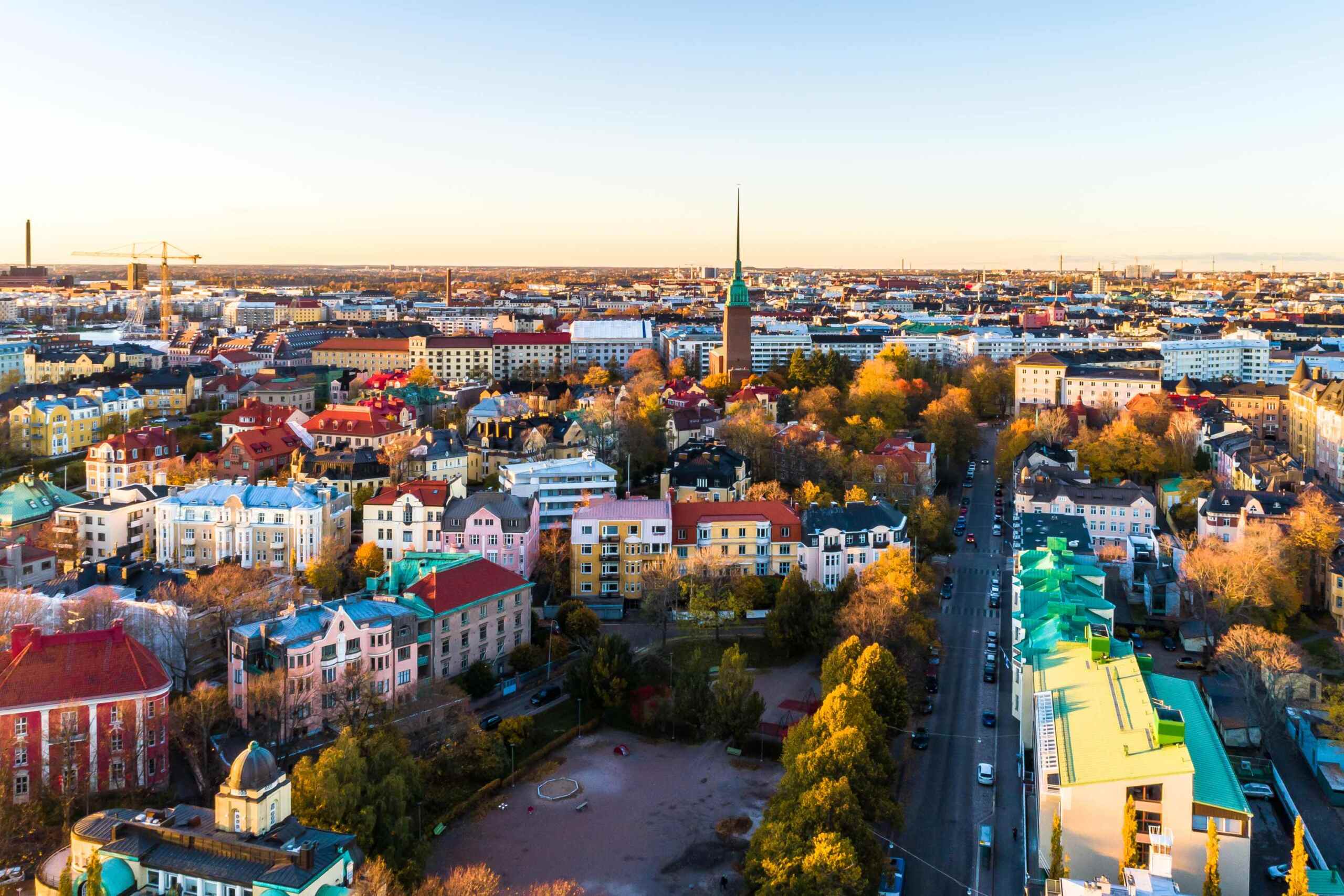
Helsinki takes first place
The most sustainable city according to the GDS-Index 2026 is Helsinki, Finland, which achieves an overall score of 93%. A result built above all thanks to the commitment of the local supply chain, which obtained 99%, and to the management and promotion of tourism, rated 97%.
The Finnish capital aims to become an international reference in sustainable tourism and low-impact events; the report also highlights the work carried out on the front of inclusion and accessibility, with initiatives dedicated to diversity and social participation.
Gothenburg and Copenhagen complete the podium of the most sustainable cities
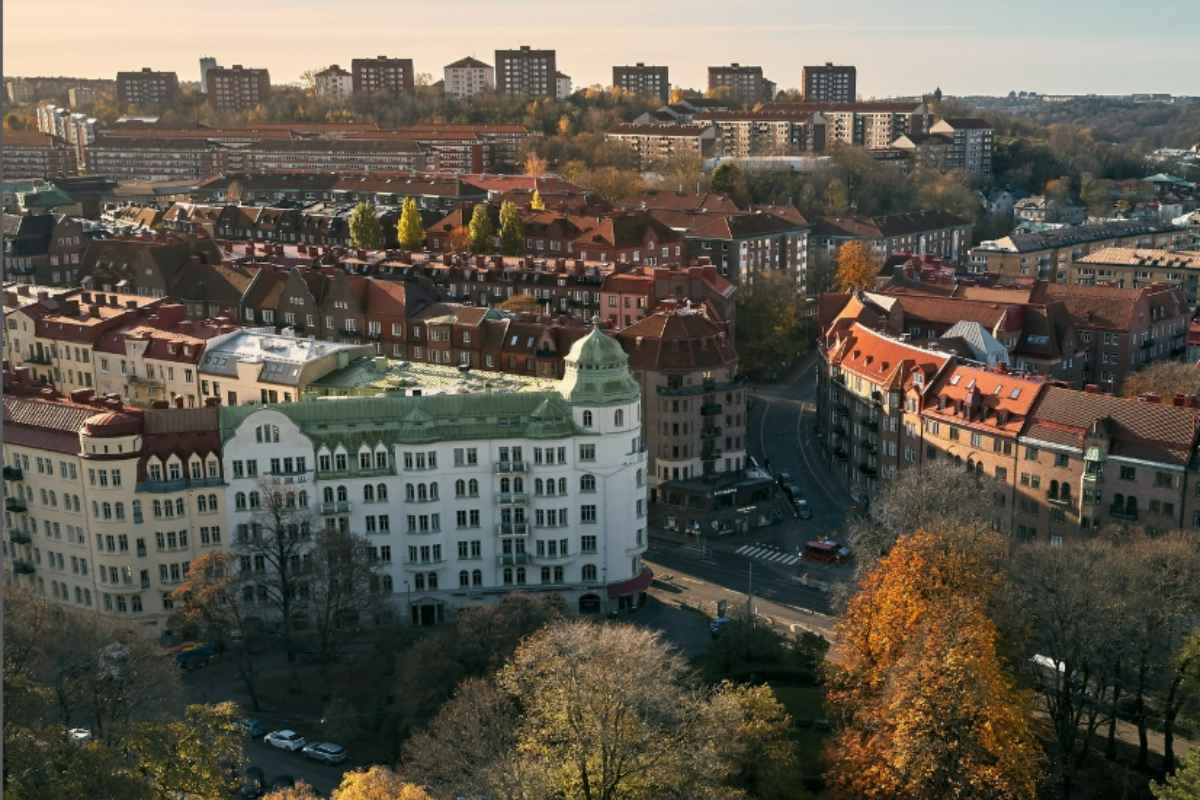
- @goteborgcom/Instagram
In second place we find Gothenburg, Sweden, with a score of 91%. Over the years, the city has built a model based on sustainable mobility, responsible tourism and circular economy; 95% of public transport uses renewable energy and a significant part of hotel facilities have environmental certifications.
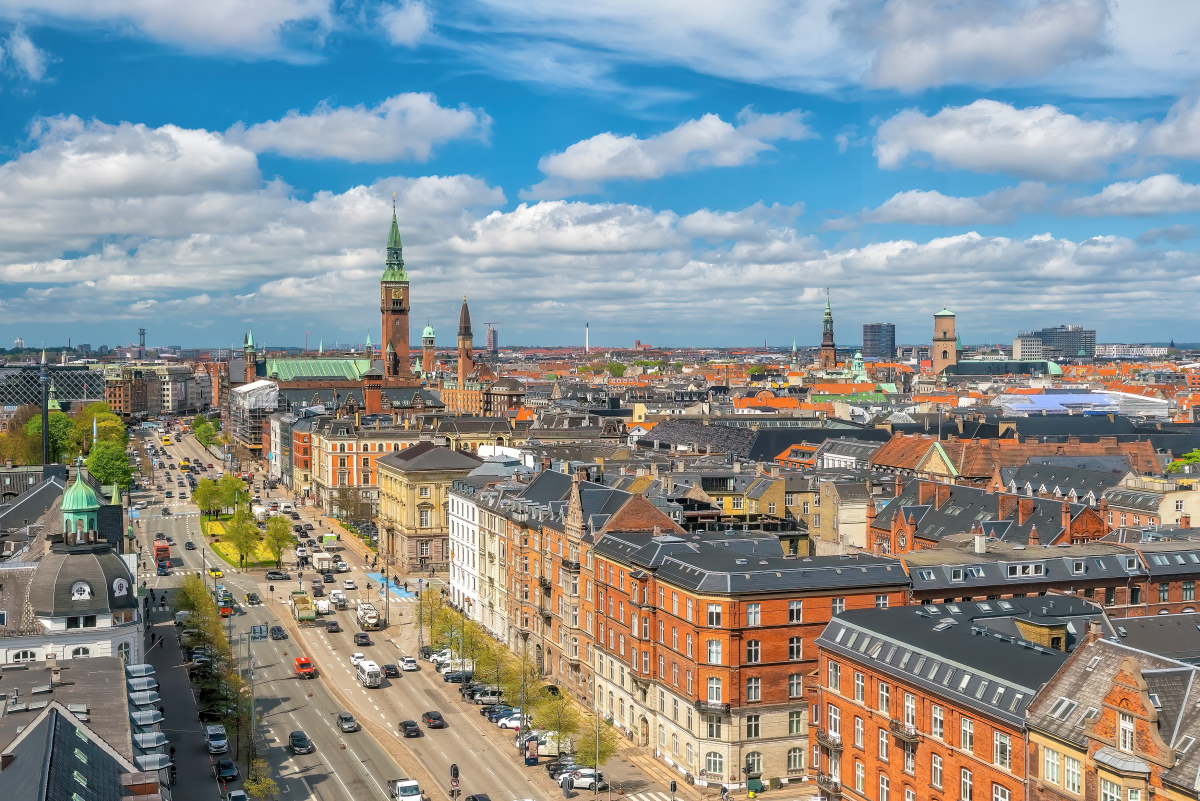
The bronze medal instead goes to Copenhagen, which reaches 90%. The Danish capital has developed a tourism strategy called “Tourism for Good”, created with the aim of ensuring that tourism produces positive effects on the territory and local communities.
The other cities in the Top 10 of the Global Destination Sustainability Index 2026
Here is the numbered list of the Top 10 of the Global Destination Sustainability Index 2026:
1. Helsinki, Finland – 93%
2. Gothenburg, Sweden – 91%
3. Copenhagen, Denmark – 90%
4. Aarhus, Denmark – 90%
5. Aalborg, Denmark – 88%
6. Glasgow, United Kingdom – 88%
7. Sydney, Australia – 87%
8. Belfast, UK – 87%
9. Montreal, Canada – 87%
10. Reykjavík, Iceland – 87%
Immediately outside the podium we find Aarhus, also in Denmark, with 90%; the city has focused on collaboration between universities, administration, tourist organizations and local operators, also developing a manual dedicated to sustainable events.
In fifth place is Aalborg, still in Denmark, with 88%; its path towards urban sustainability has its roots in the 1994 Aalborg Charter, a European initiative dedicated to the sustainable development of cities.
Followed by Glasgow, Scotland, which obtained 88% thanks to policies aimed at reducing emissions and the objective of becoming a zero-impact city by 2030.
Sydney comes in seventh place with 87%; the Australian city has worked on collaboration between hotels, cultural institutions and the tourism sector through the Sustainable Destination Partnership, with interventions dedicated to energy and water efficiency and waste reduction.
In eighth place is Belfast, UK, also with 87%; the city has developed a climate resilience strategy with programs dedicated to the transition to a more inclusive, low-emissions economy.
Closing out the Top 10 are Montreal, Canada, and Reykjavík, Iceland, both with 87%. Montréal has tied its sustainable strategy to the “Montréal 2030” plan, while Reykjavík scores highest in the area of social progress, with a focus on equality and quality of life.
What is the only Italian city in the ranking of the most sustainable?
The only Italian representative in the Global Destination Sustainability Index 2026 ranking is Milan, which ranks 26th with an overall score of 81% (80.71% rounded). The Lombardy capital obtains the best result in the area of social progress, with 84%, followed by the management and promotion of tourism with 83%; environmental performance reaches 80%, while the commitment of the local supply chain stops at 76%.
According to the report, Milan’s sustainability strategy focuses on a balance between international attractiveness and quality of life for residents; the city is described as a place capable of combining innovation, social inclusion and environmental attention, while maintaining a more human dimension linked to culture, design, art and food and wine.
On the path towards a more sustainable urban model, Milan has broadened its vision to include topics such as public health, digital inclusion, transport, education and social services; the objective indicated by the GDS-Index is to regenerate tourism and events by putting both the needs of local communities and those of visitors at the centre.
What does this ranking say about the future of tourist cities
The most interesting data that emerges from the Global Destination Sustainability Index is that urban sustainability is no longer evaluated only through environmental parameters; The quality of life of residents, the ability to involve local businesses, the management of tourist flows and the construction of more inclusive communities also become central.
The cities awarded by the GDS-Index therefore show a broader approach: it is not enough to reduce the impact of tourism, we must ensure that tourism itself becomes a tool for regenerating territories.
