
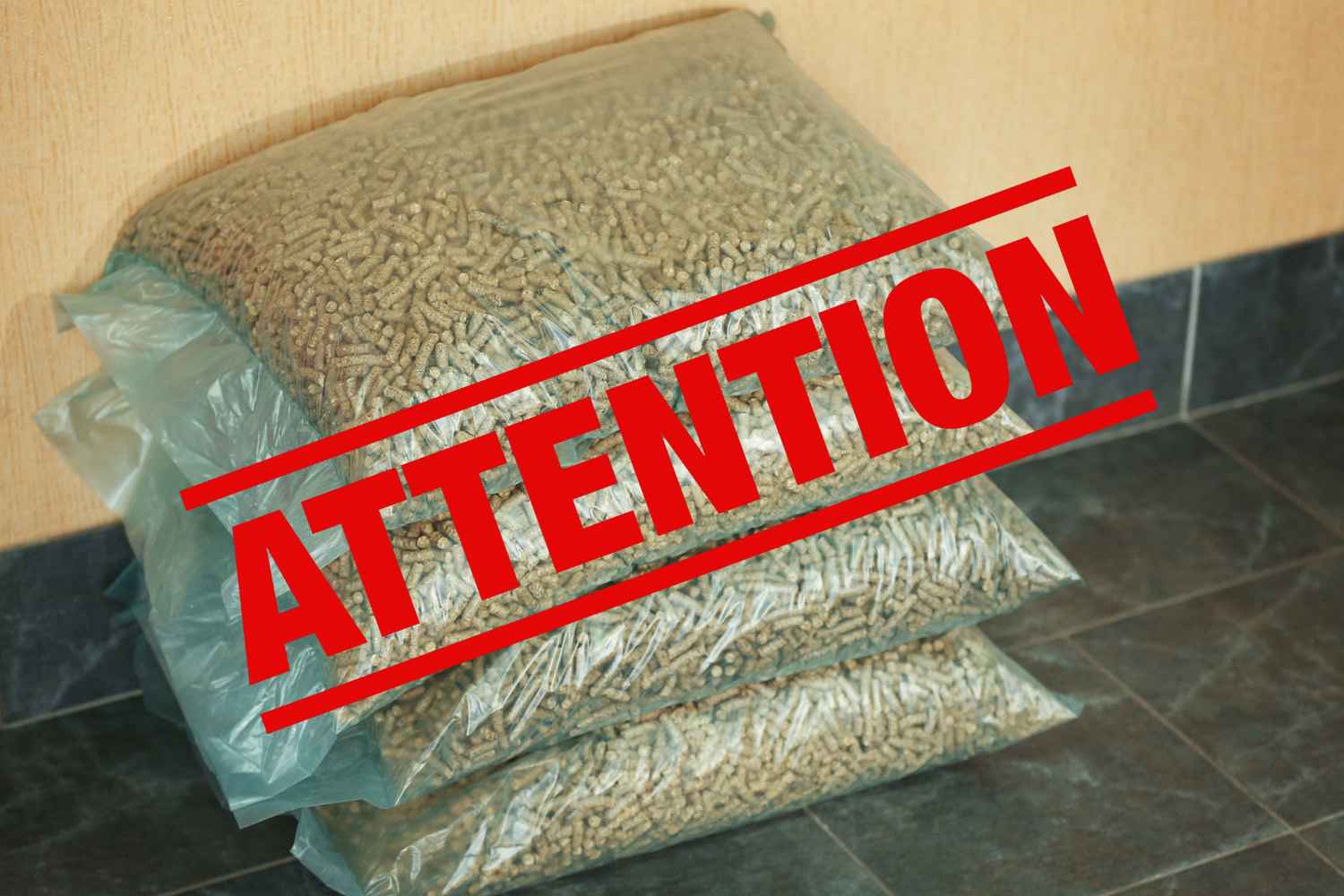
With the arrival of the first cold weather, one of the most frequent scams linked to the heating season also returns: fake sales sites, offers much lower than normal market prices and pallets of pellets which, after payment, are never delivered.
AIEL, the Italian Agroforestry Energy Association, reports that in recent weeks it has received several requests from consumers who had purchased pellets online at particularly advantageous conditions, only to then lose all contact with the seller.
In many cases the mechanism is similar: the site appears credible, uses names and images of real companies, offers a discount that is difficult to ignore and asks for advance payment; once the money has been collected, however, the delivery does not start and the contact details stop working.
Have you already paid? The first things to do
The first move is to immediately contact the bank or manager used for the payment, because in some cases it may still be possible to block the operation or dispute it; However, there is no guarantee of recovering the sum paid, especially when the payment was made by bank transfer to an unknown account, while cards and other traceable systems can offer more effective protection tools.
It is important, at the same time, to keep all available documentation: receipts, bank accounts, order confirmations, invoices, messages, emails and conversations on WhatsApp or Telegram; It is also advisable to save the screenshots of the site, the advert, the price indicated and the contacts used by the alleged seller, because the site could disappear within a short time.
If the seller has become unavailable and the goods have not arrived, the next step is to contact the police and file a report, taking with you all the material collected; for frauds occurring online it is also possible to contact the Postal Police. Reporting not only serves to protect those who have suffered damage, but can help identify sites, bank accounts and identities already used to target other consumers.
It may also be useful to notify a consumer association and, when the site uses the name, logo or data of a real existing company, contact that company directly through its official contact details: it is not uncommon, in fact, for companies to be victims of identity theft themselves and only discover after the first reports that someone is selling pellets by pretending to be them.
Another point not to be underestimated concerns requests following the first payment: those who set up these frauds can contact the victim again claiming that more money is needed to unblock the shipment, pay for a phantom insurance or complete customs procedures; in these cases there is no need to make further payments or send personal documents.
When a no-show can be a sign of a scam
A delay in delivery, alone, is not enough to speak of fraud; first it is always advisable to check that you have contacted the seller through the official channels and ask for clarification on the status of the order.
However, the signs become much more worrying when they appear together: the seller no longer responds after receiving the payment; the site goes down or suddenly changes; the only contact available is a WhatsApp or Telegram number; the IBAN belongs to a person other than the company indicated in the offer; finally, the price was significantly lower than that charged by the rest of the market and was accompanied by messages such as “last pallets available” or “offer valid today only”.
The problem is made more difficult to recognize by the fact that many fraudulent sites do not necessarily invent a company from scratch: they often copy the name, VAT number, photographs, catalogs and logos of real operators, creating apparently reliable online shops; consequently, finding a truly existing company online is not enough to demonstrate that the site from which you are purchasing really belongs to that company.
Checks to do before buying pellets online
The first element to evaluate remains the price: if an offer is much cheaper than all the others, especially when it also includes free delivery throughout Italy, it is advisable to stop before paying and carefully check who is behind it.
You must check your company name, VAT number, address, telephone number and e-mail address, avoiding using only the contacts listed on the advert; it is preferable to search for the company yourself, locate its official website and directly call the number published on verified channels.
For ENplus® certified pellets it is possible to carry out a further check through the official database: the operator code, website, e-mail address and telephone number must correspond to those reported in the offer. A blacklist of subjects already reported is also available; the ENplus® app also allows you to compare the graphics of the bag with those registered by the company, a useful detail because scammers can reuse old packages or reproduce them incorrectly.
Particular attention should also be paid to the IBAN: if the account indicated in the invoice or order does not appear consistent with the selling company, or is different from the one normally communicated by the company, it is advisable to request confirmation through official contacts before making the transfer.
To reduce the risk, it is best to purchase through official sites, recognized retailers or operators present on AIELfinder, favoring payment on delivery when possible or traceable tools that allow you to contest a transaction; even sites created in a sloppy way, full of errors, not very credible texts or inconsistent images must be considered a warning sign, especially when they are associated with prices that are too low to be realistic.
As Matteo Favero, head of AIEL’s biofuels and quality certifications area, reminds us, the decisive moment remains the one before payment: cross-referencing some data before purchasing often allows us to identify suspicious offers and protects, in addition to consumers, also serious companies whose names are used abusively by scammers.
