
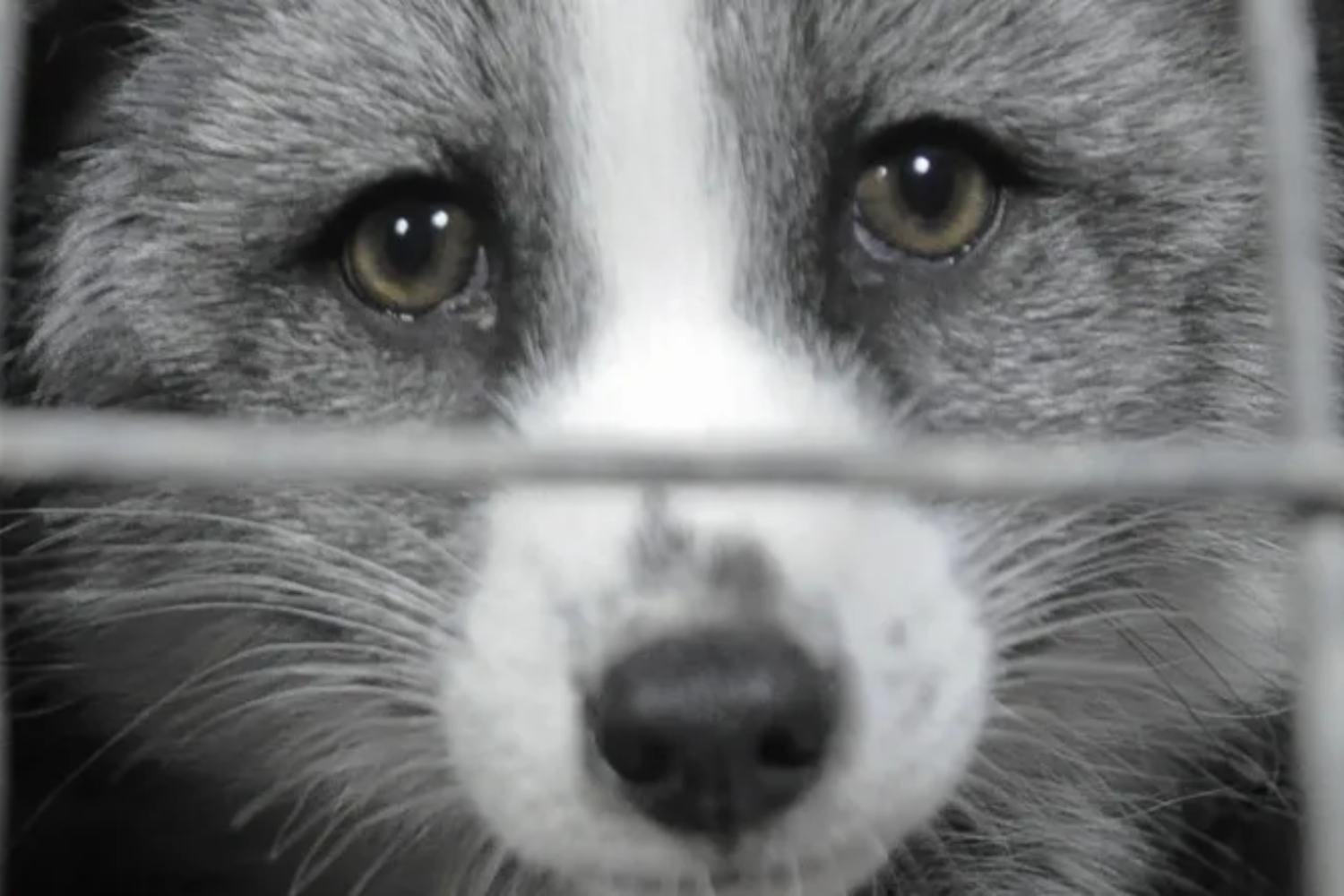
An epochal turning point marks the end of the fur industry in Northern Europe. On 23 October 2026, the Danish government, led by Prime Minister Mette Frederiksen, announced its formal decision not to request any derogation from the upcoming EU ban. The Minister for Nature and Animal Welfare, Christian Rabjerg Madsen, confirmed the waiver of exemptions, sanctioning the definitive closure of the plants by August 2029. Denmark, for decades a global leader in the production of leather, is thus putting an end to a historic economic sector in favor of the protection of fauna.
View this post on Instagram
The European regulatory context and invasive species
Copenhagen’s choice falls within the framework of EU Implementing Regulation 2025/1422, approved in summer 2025, which included the American mink (Neogale vison) in the list of invasive alien species. The European legislation, which will become operational from 7 August 2027, strictly prohibits the possession, reproduction and trade of specimens, granting a transitional window of 2 years for the disposal of existing structures. Although Denmark had initially voted against the community measure, the scientific evaluation by the European Food Safety Authority (EFSA) demonstrated the impossibility of guaranteeing minimum welfare standards for these animals within breeding cages.
The collapse of the sector from the pandemic crisis to today
The decline of the Danish industry accelerated dramatically in November 2020, when the executive ordered the extraordinary culling of more than 15 million specimens to contain coronavirus mutations. The measure, which proved to lack a solid initial legal basis, forced the State to provide huge financial compensation to farmers. Despite the partial restart of activities authorized in 2023, the supply chain has no longer recovered its historical volumes: currently just 7 farms remain active in the national territory, with a total heritage of around 15 thousand specimens remaining.
The continental impact and the Fur Free Europe initiative
Denmark’s choice reflects a consolidated legislative trend in 24 countries on the continent. In December 2025, Poland, another fur production giant, also approved the progressive ban on fur farming with a deadline set for 2033. Meanwhile, on the institutional front, the mobilization of the Fur Free Alliance network continues together with its partner Anima International, in support of the European Citizens’ Initiative Fur Free Europe. The project has already collected over 1.5 million valid signatures to ask the European Commission for a total ban on fur farming and the trade of its products throughout the single market.
