
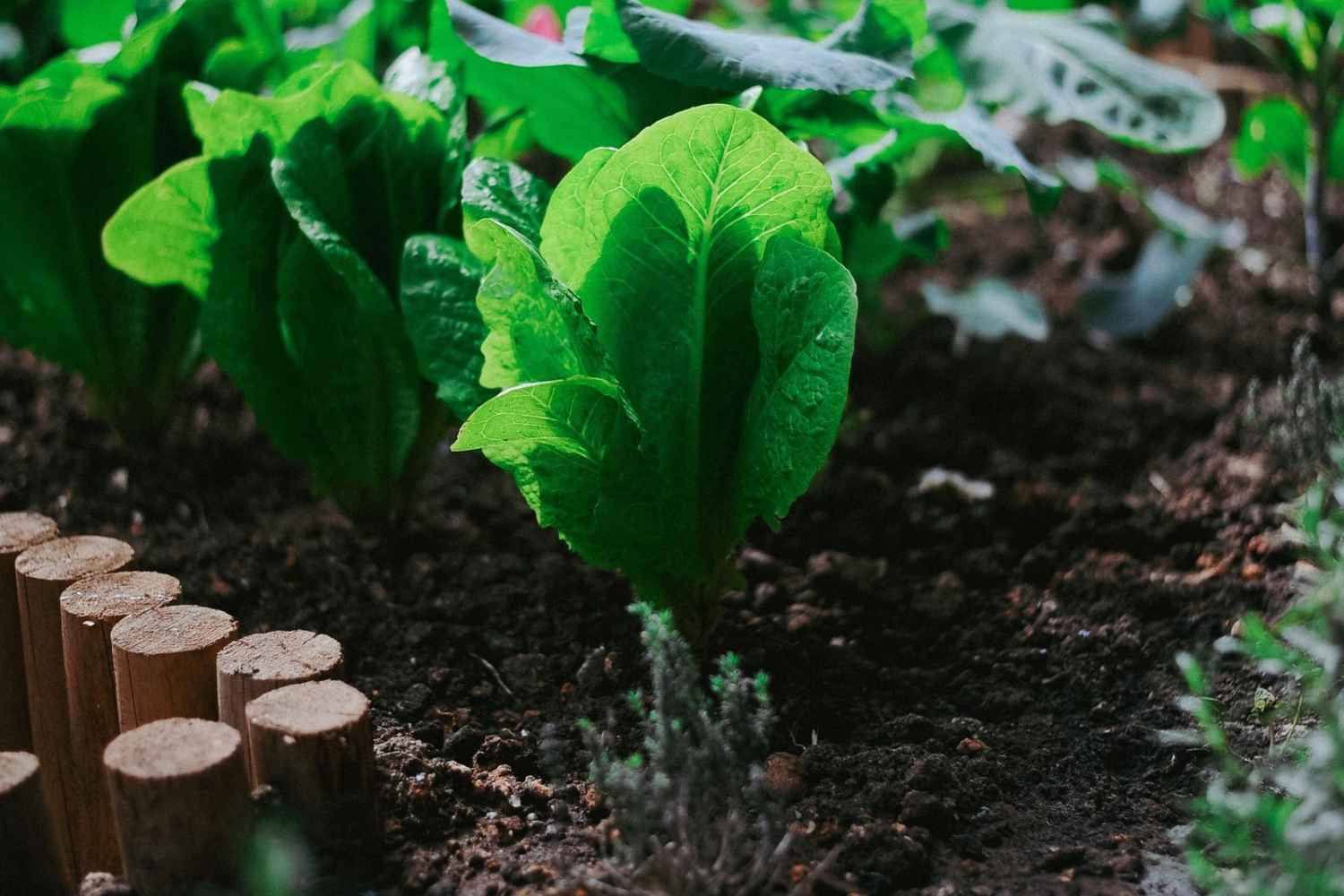
The passion for greenery finds space in a growing number of homes, even in urban contexts where the square meters available are few. A balcony, a terrace or even a well-exposed windowsill can be transformed into a small productive corner, capable of providing satisfaction throughout the year.
Growing vegetables, aromatic herbs and fruit trees represents a relaxing activity, which brings people closer to the rhythms of nature and teaches the value of waiting. The harvest, even if modest, brings fresh and genuine products to the table. With the right knowledge and a little perseverance, anyone can start a home garden and achieve amazing results.
The benefits of a vegetable garden within the walls of your home
Caring for plants offers benefits that go beyond just harvesting. Contact with the earth helps reduce stress and carve out a moment of calm in your daily routine. A home garden also allows you to know the origin of what you eat, limit waste and save on spending. For families with children it also represents a precious educational opportunity, useful for transmitting respect for the environment.
The choice of space and exposure
Before purchasing seeds and pots it is best to carefully observe the space available. Light represents the first element to evaluate, because most vegetables and fruit trees require at least 6 hours of direct sun per day. A balcony facing south or west offers the best conditions, while a northern exposure is especially suited to aromatic herbs and leafy plants, such as lettuce and spinach.
The wind also deserves consideration, particularly on the upper floors, where gusts can damage the most delicate stems. In these cases, a light screening, made with a trellis or a potted hedge, protects the crops. Finally, it is necessary to check the capacity of the balcony, since pots full of wet earth reach a considerable weight.
The most suitable vegetables and aromatic herbs
For those taking their first steps, it is best to focus on simple and generous crops. Cherry tomatoes, courgettes, chillies and strawberries grow well in pots and give abundant harvests during the summer. In autumn and winter there is space for cutting salads, rocket, radishes and beets, quick vegetables that adapt to shallow containers. Basil, parsley, rosemary, sage and thyme complete the garden with intense aromas and require little care, also ideal on the kitchen windowsill.
Daily care of the home garden
Potted plants have a limited amount of land and therefore depend largely on the attention of those who grow them. Watering requires regularity, with watering in the cool hours of the morning or evening, and a saucer helps retain water on warmer days.
A drip system with a timer simplifies management during the holidays. Every two or three weeks it is advisable to administer an organic fertilizer, such as pelleted manure or earthworm humus, to replenish the nutrients. Mulching with bark or straw limits evaporation and protects the roots from temperature changes, while frequent control of the leaves allows you to identify aphids and scale insects in time.
Fruit trees in pots
Growing a fruit tree in a small space requires a few more precautions, but offers great satisfaction. Dwarf varieties and those grafted onto less vigorous rootstocks maintain small dimensions and produce quality fruit even in a container. Lemon, mandarin and kumquat adapt well to life on the terrace and decorate the space with evergreen foliage. The columnar apple tree, growing in height with a narrow crown, finds a place even in the most sacrificed corners.
Among the most popular trees in autumn, the persimmon stands out, a rustic plant that resists the cold well and, in the varieties with limited growth, also grows in a large pot. Its orange fruits ripen between October and November and contain numerous nutritional virtues, illustrated in detail at this link. For all trees it is best to choose a pot at least 50 centimeters deep, with good drainage at the bottom, and rich, well-structured soil to be renewed on the surface every year. Even a few square meters, cared for with patience, can be transformed into a small orchard capable of telling the story of the passing of the seasons.
