
There are plants that seem to have been designed by the imagination of a horror director: some have flowers that resemble human hands, others produce seeds that look like small skulls, still others look like pieces of a human body forgotten in the woods. But behind these disturbing forms there is nothing supernatural: they are the result of millions of years of adaptations, strategies to attract pollinators, defend themselves or survive in difficult environments.
Here are some of the most surprising species that transform the plant world into a small gallery of natural horrors.
Japanese bloodwort (Imperata cylindrica ‘Rubra’)
At first glance it looks like someone has spilled red paint on the leaves of a lawn. The Japanese blood herb owes its name to its intense shades: the green leaves begin to turn red until they become almost purple, creating the effect of a fiery expanse.
The species from which it derives, Imperata cylindrica, is a very widespread grass in various areas of the world and in some regions it is considered an invasive plant because it manages to quickly colonize new environments thanks to its underground rhizomes. The ornamental variety ‘Rubra’, however, is cultivated above all for its scenic appearance in gardens.
It’s not really “bloody,” of course, but its bright color is enough to make it look like something out of an eerie autumn landscape.
Cockscomb (Celosia argentea var. cristata)
It almost looks like a brain covered with a strange colored membrane, but in reality it is one of the most curious ornamental flowers that exist. Celosia cristata owes its appearance to the particular shape of the inflorescence, which instead of developing like a normal segment of flowers grows to form a wavy and fleshy structure.
Precisely because of this similarity it is often also called “brain flower”. Its colors can range from intense red to purple, passing through yellow and orange, making it a decidedly unusual presence in gardens.
Brain cactus (Mammillaria elongata ‘Cristata’)
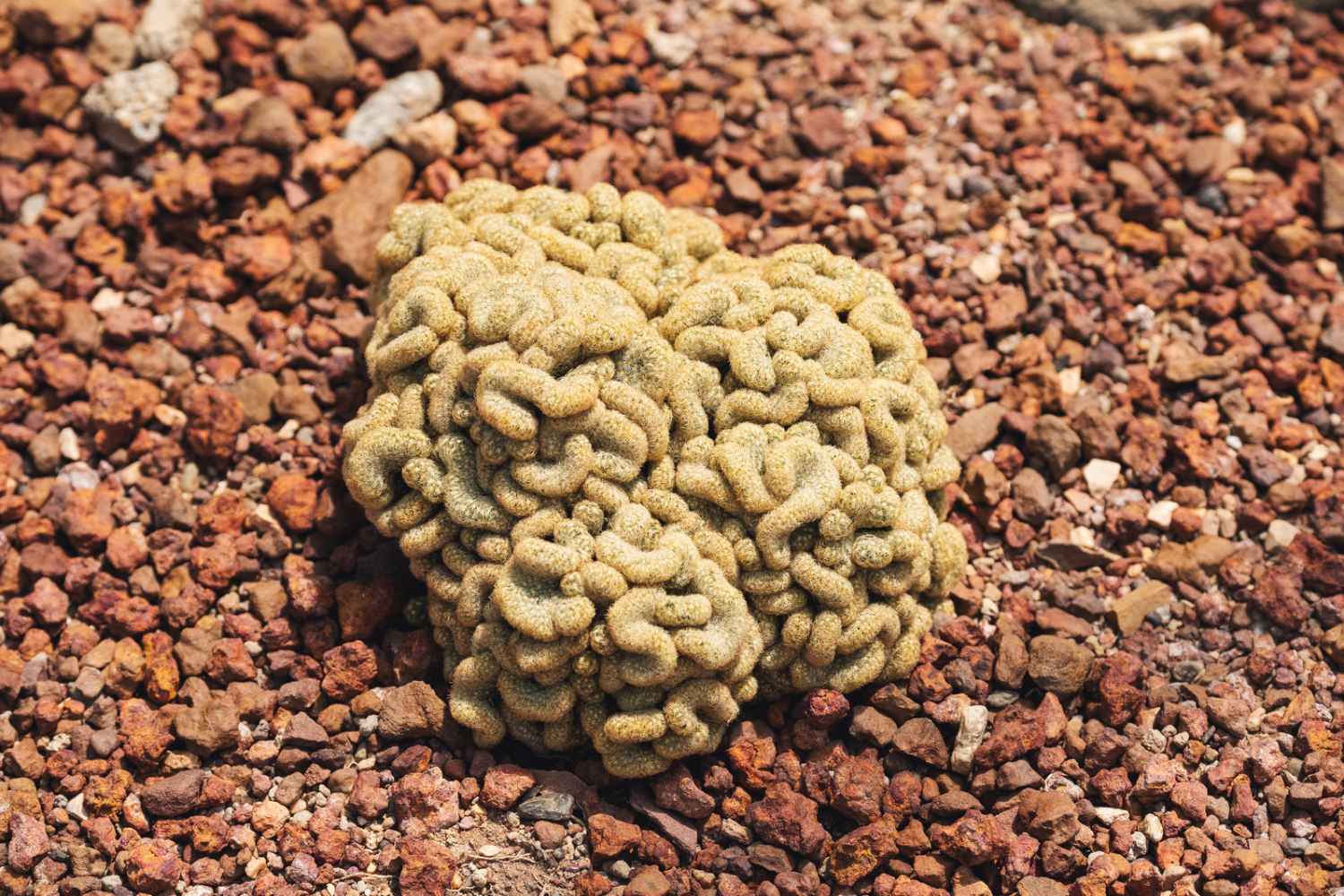
If a normal cactus can already look like a plant that arrived from another planet, this variant even looks like a human organ transformed into a vegetable.
Mammillaria elongata ‘Cristata’ has a deformed growth called “fasciation”: instead of developing regularly, the tissues grow into wavy ridges that resemble the folds of a brain. It is not a disease, but a natural mutation that makes each specimen different from the other.
It is precisely this unpredictable shape that has made it one of the plants most loved by collectors.
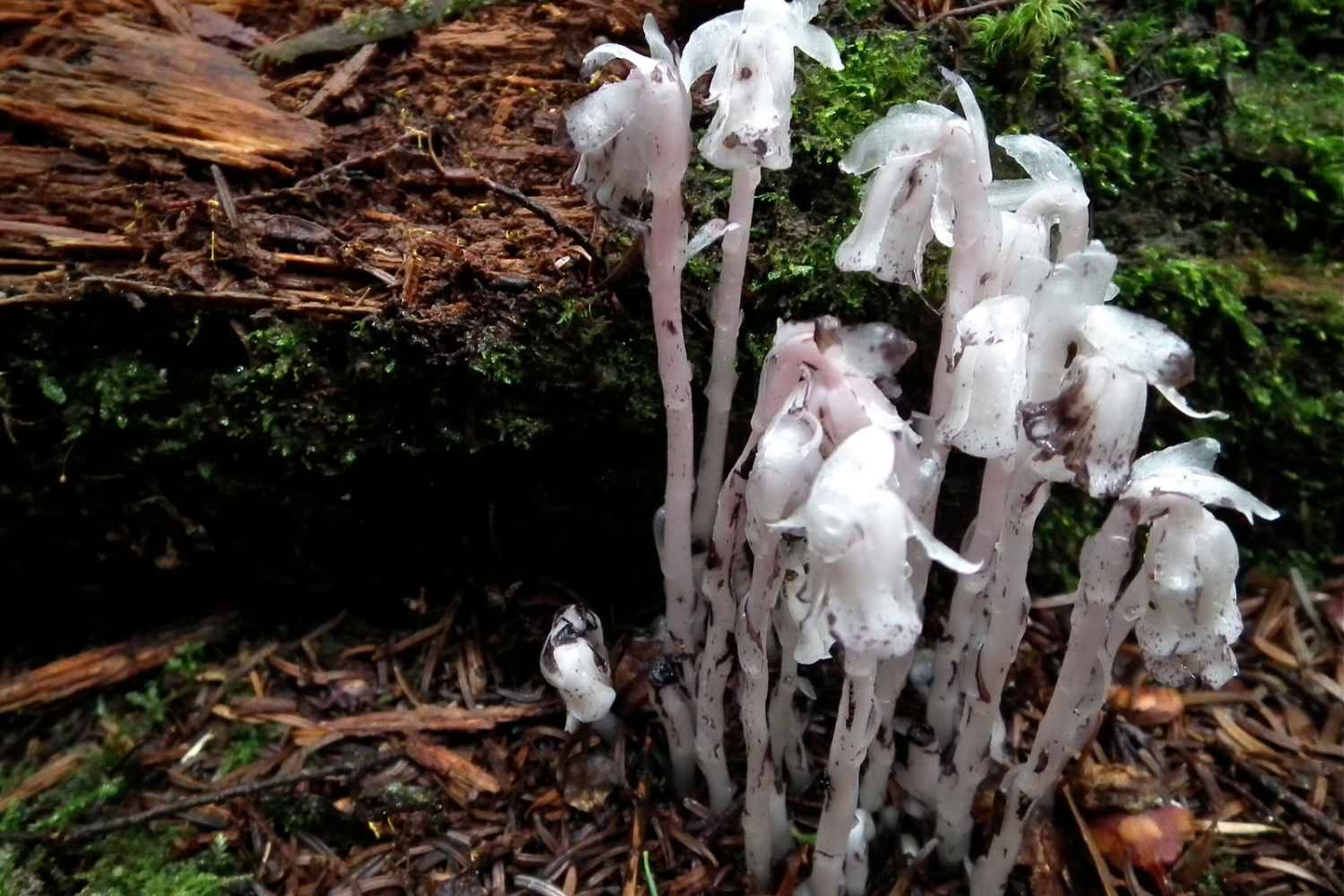
The ghost plant (Monotropa uniflora)
In the undergrowth it almost looks like a small vegetal spectrum: it is white, translucent and without the classic green that we associate with plants. Monotropa uniflora, also known as ghost plant or ghost pipe, does not have chlorophyll and does not use photosynthesis to produce energy.
Its strategy is completely different: it lives thanks to a relationship with some soil fungi, from which it obtains nourishment through an underground network also connected to the roots of trees. For this reason it can grow even in very shady places where other plants would struggle to survive.
When it emerges from the ground after the rain, with its pale color and the flower facing downwards, it almost looks like a small inhabitant of an enchanted forest.
Devil’s Hand Tree (Chiranthodendron pentadactylon)
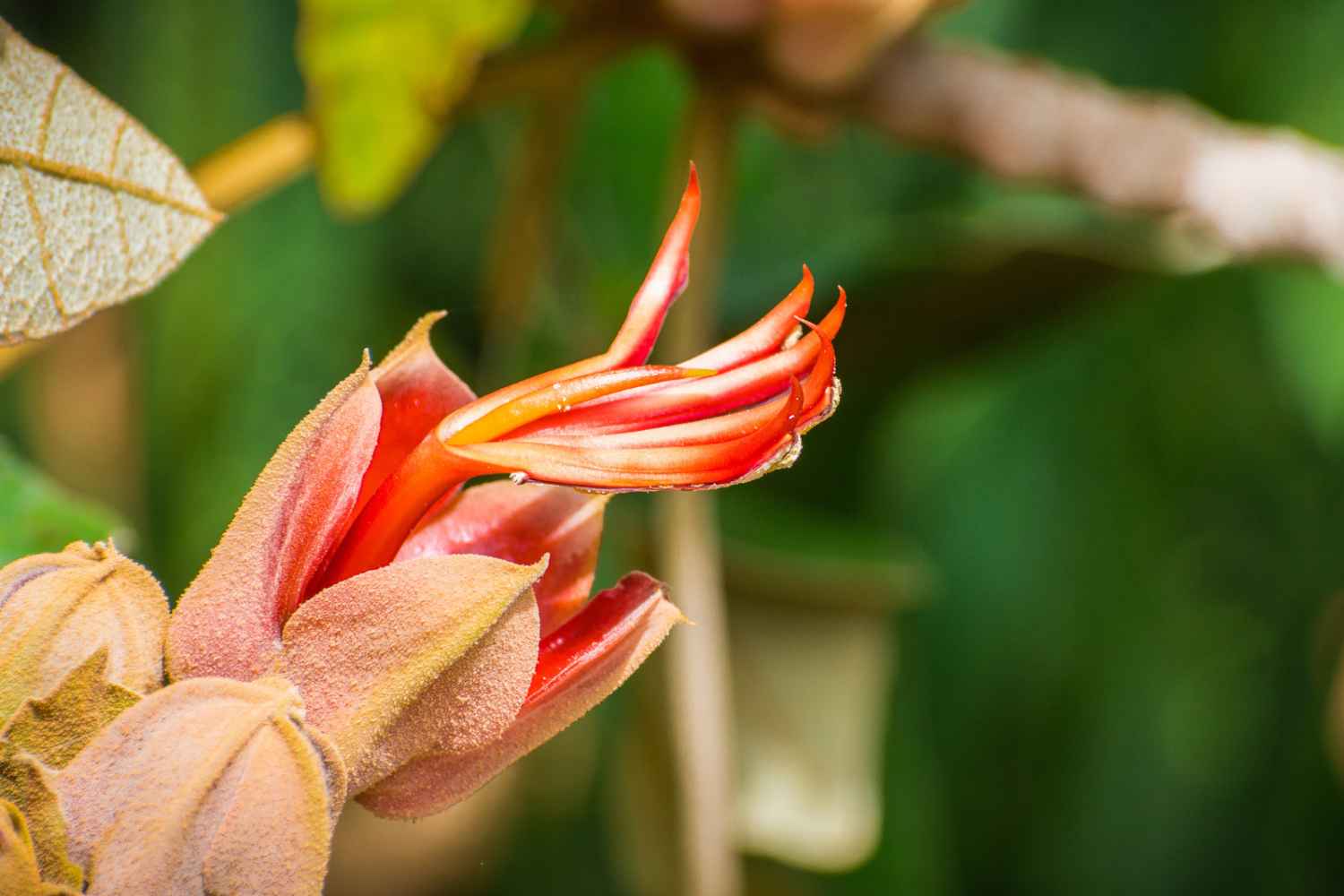
Of all the plants on this list, it is perhaps the one that most seems to defy reality. Its flower, in fact, resembles a red hand with five elongated fingers.
Native to Mexico and Guatemala, this tree produces flowers with five long red stamens protruding from the corolla creating this incredible shape. Precisely for this characteristic it is also known as the “tree of little hands”.
The ancient Maya attributed great importance to this species, probably due to its unusual appearance.
Snapdragon seeds (Antirrhinum majus)
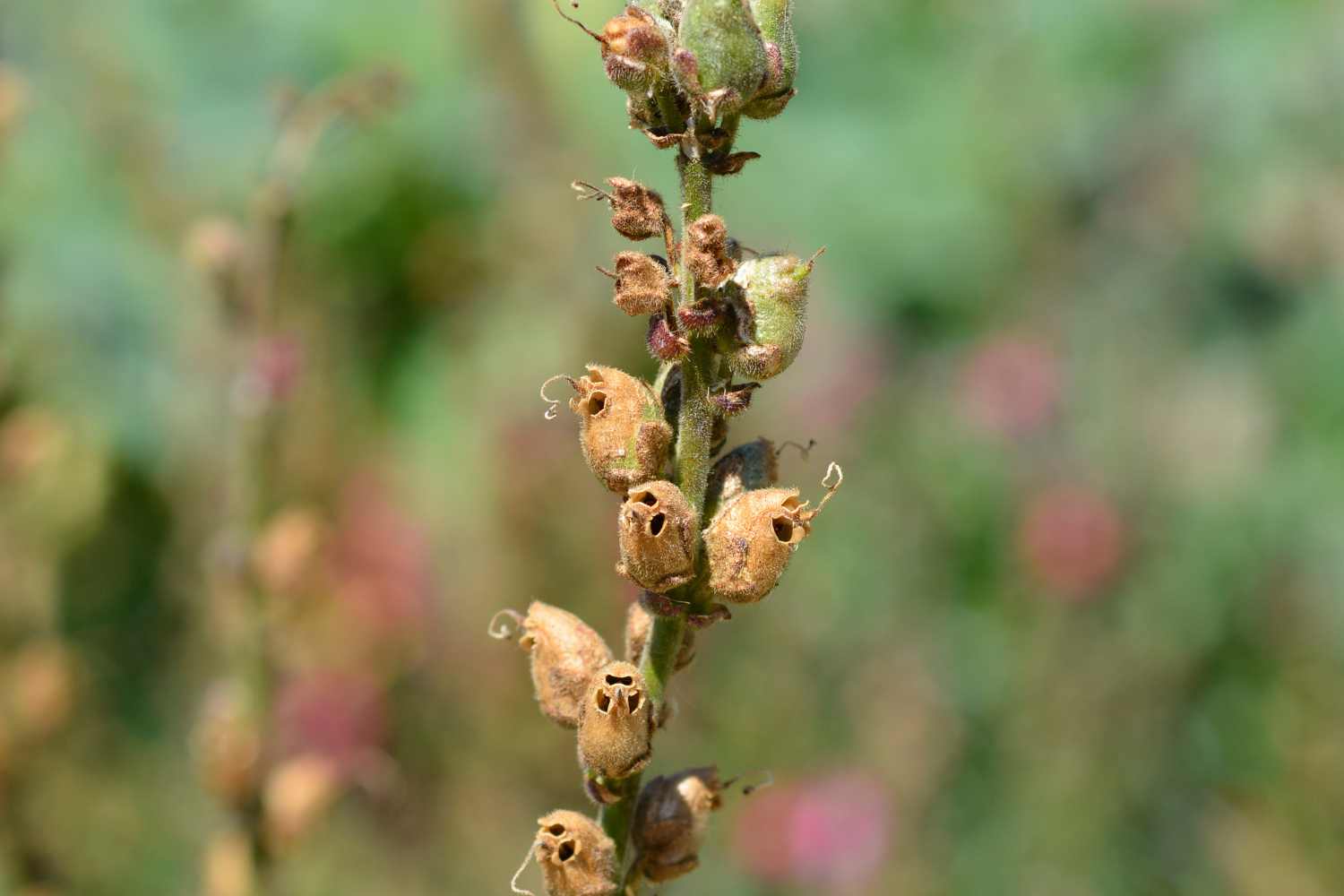
During flowering the snapdragon is a colorful and quite common flower, but its most disturbing side comes later. When the flower withers and produces seeds, the capsule can take on a shape that resembles a small skull complete with socket-like cavities. This is why it has become known online as the “skull plant”.
There’s actually no mystery – it’s simply the way the plant protects and distributes its seeds, but the result almost looks like a small collection of miniature heads.
Giant Stapelia (Stapelia gigantea)
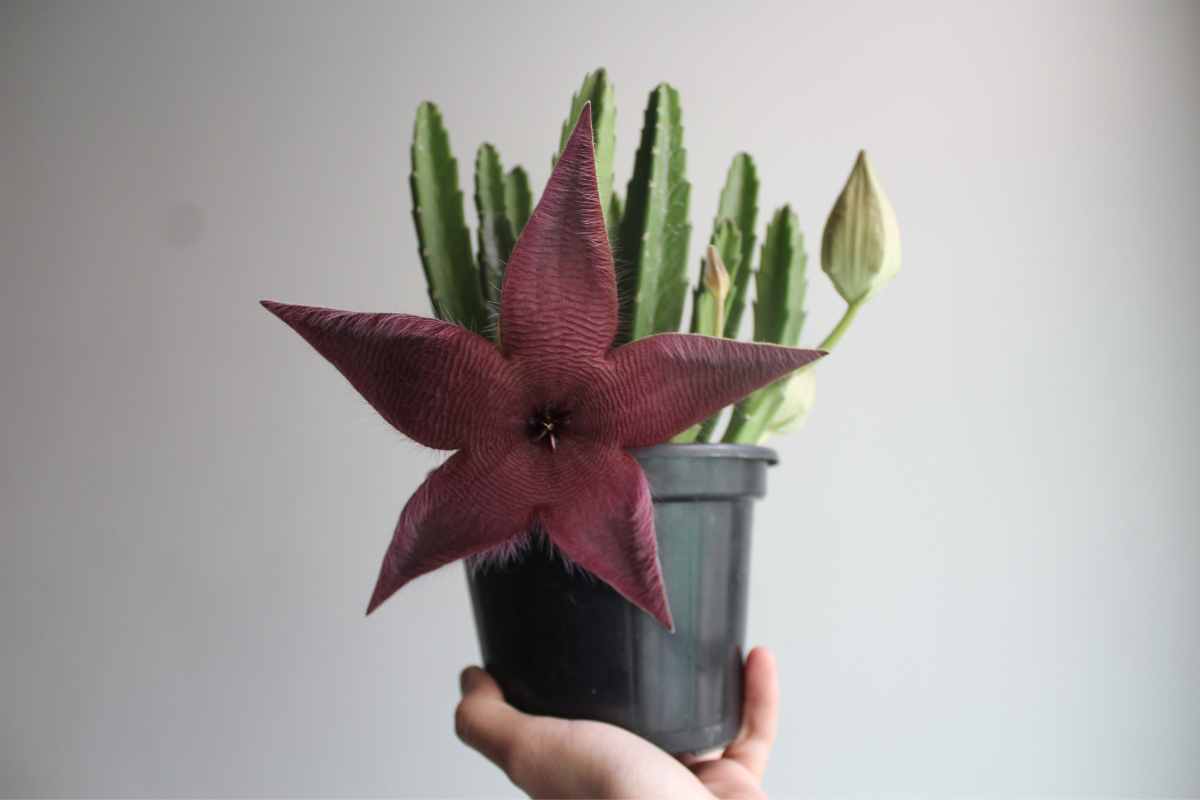
Stapelia gigantea
It has a huge, spectacular and almost alien-looking flower, but its most famous feature is decidedly less elegant: its scent resembles that of rotting flesh.
Stapelia gigantea belongs to succulent plants and has developed this particular strategy to attract pollinating insects, especially flies, which are deceived by the smell and appearance of the flower, often covered with textures that resemble animal skin.
A beautiful plant to look at, but perhaps not the best choice for the living room.
Doll’s eyes (Actaea pachypoda)
The English name “doll’s eyes” explains perfectly why this plant worries so many people: its white fruits with a small black dot really look like a row of eyes resting on the ground.
Actaea pachypoda is a herbaceous plant native to North America and produces these very particular berries at the end of the season. However, the curious appearance hides an important side: all parts of the plant are toxic if ingested.
Nature, once again, uses a flashy appearance as a warning.
Bloody tooth fungus (Hydnellum peckii)
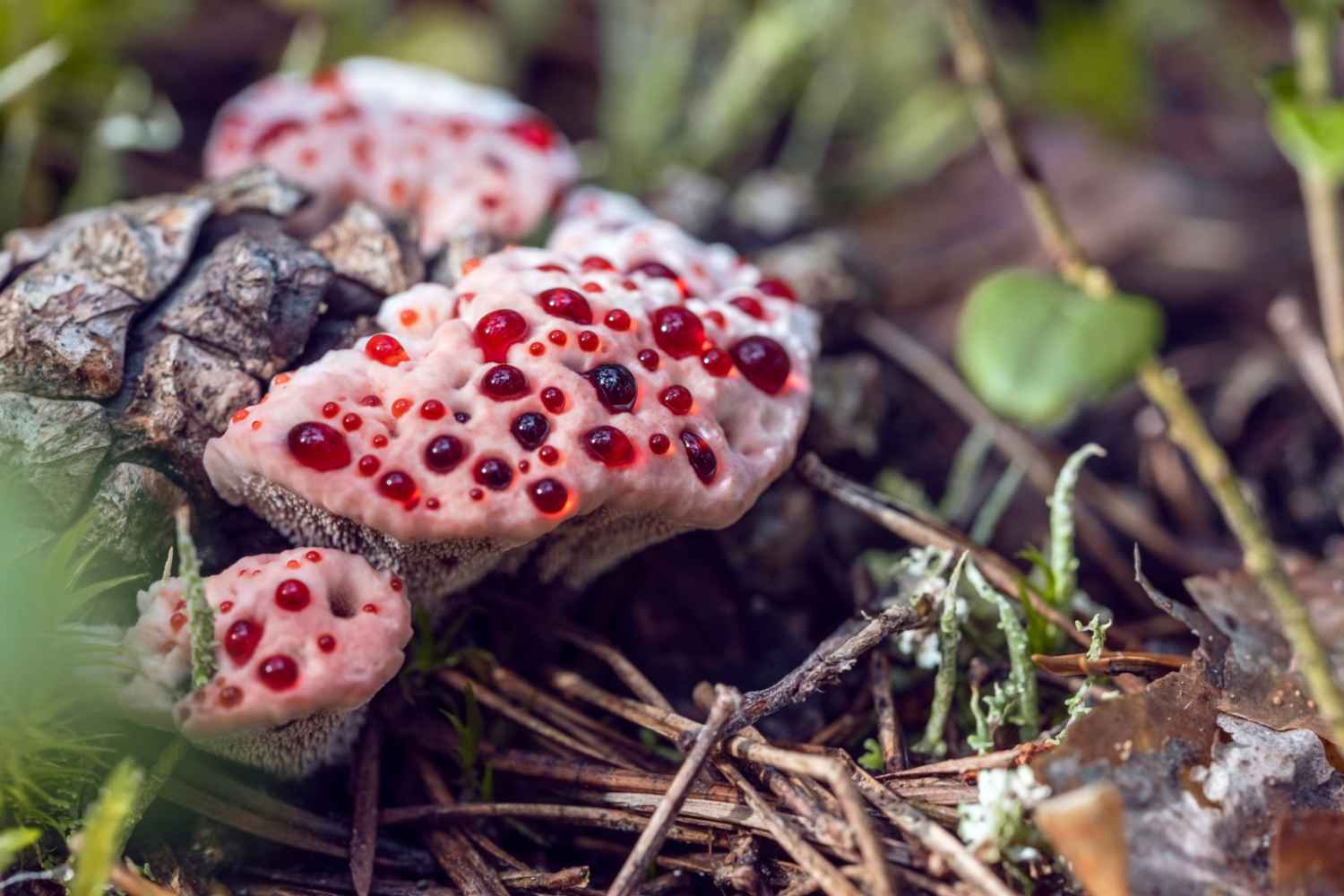
It’s not a plant, but it definitely deserves a place on this list. Hydnellum peckii is a mushroom that literally seems to bleed: when it is young it produces red drops on the white surface, creating an effect similar to that of a wound.
The red liquid contains pigments naturally produced by the fungus and is not blood, although the appearance has fueled its disturbing nickname for years.
As it grows, the mushroom changes its appearance and becomes darker and less spectacular, but in its initial phase it is one of the most photographed organisms in the woods.
The corpse flower (Amorphophallus titanum)
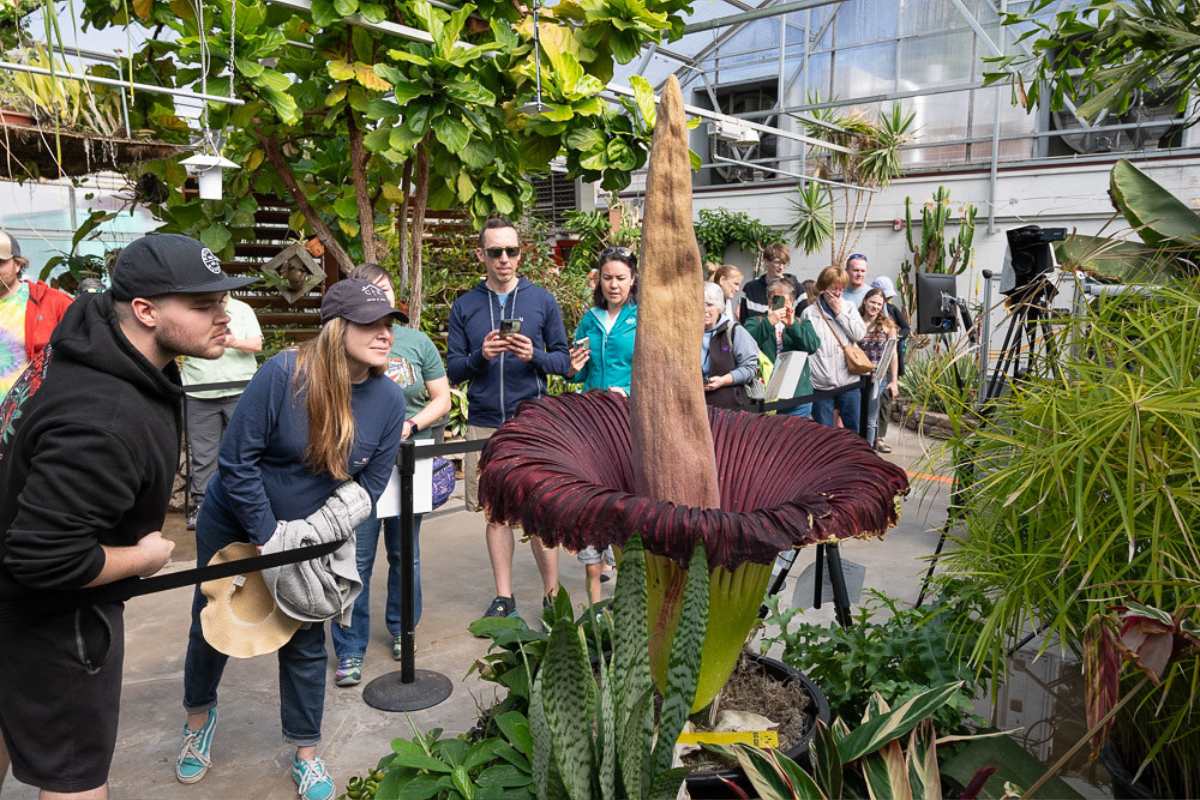
@coloradostateuniversity-csuagsci/instagram
It is one of the most famous plants in the world and the reason is simple: when it flowers it emits an odor reminiscent of a rotting corpse.
Amorphophallus titanum, native to the tropical forests of Sumatra, produces one of the largest inflorescences in the plant kingdom and can reach impressive dimensions. The bad smell is not a defect, but a strategy: it serves to attract necrophagous insects which help the plant in pollination.
Flowering is a rare event and often attracts thousands of visitors to botanical gardens around the world because it lasts only a few days. In the end, the real twist is that these plants aren’t trying to scare us. We are the ones who, looking at them with human eyes, transform a flower into a hand, a seed into a skull and a mushroom into something that seems to come out of a horror film. Nature simply has a much more unpredictable sense of aesthetics than ours.
