
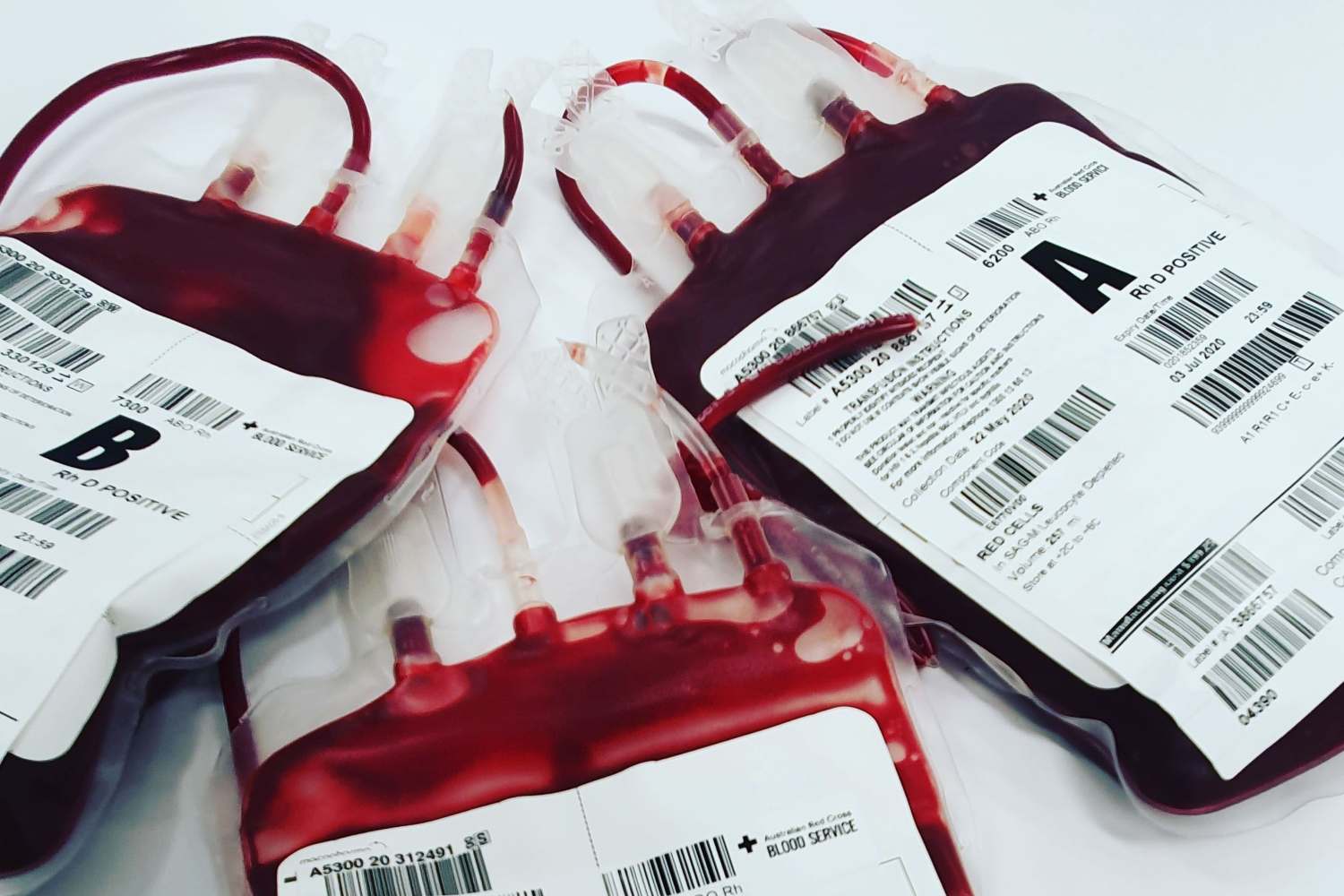
A new and worrying cyber offensive has targeted the transalpine healthcare system. A hybrid hacker attack hit the control and refrigeration systems of a manager linked to the French Blood Institute. Cyber pirates managed to penetrate the digital management platforms, tampering with the thermal parameters of 3 cold rooms used for the storage of vital blood products. Machine temperatures, routinely set at -30 degrees, were violently shot upwards until they reached 110 degrees. Despite the potential seriousness of the tampering, the office of Health Minister Stephanie Rist and the leaders of the blood establishment confirmed that the episode was resolved without any health impact on the patients.
The claim of pro-Russian groups and the threat to European infrastructure
The raid against blood reserves is part of a broader campaign of attacks on the cold chain in the continental large-scale retail sector. In fact, between 11 and 12 October, as many as 700 supermarkets in France had their refrigeration systems hacked, while the Crédit Mutuel bank confirmed an incursion into its servers. Just two days ago, however, another raid knocked out supermarkets in Sweden, Belgium, Luxembourg, Estonia and Ireland, forcing many shops to temporarily close and leading to the inevitable waste of hundreds of tons of food.
The actions were officially claimed through a video released on social channels by two groups of pro-Russian hackers, Noname057(16) and Z-Pentest who issued heavy warnings to the international scene, declaring they possess the ability to attack water networks, industrial plants, power plants and food storage sites across Europe.
The repercussions in Italy and the alarm of the Zooprophylactic Institutes
The disruptions caused by cyberattacks on the refrigerators of commercial chains have also affected Italy closely, with malfunctions recorded in Sicily, Tuscany and Emilia-Romagna. Following an extraordinary summit with the National Cybersecurity Agency and intelligence leaders, the Federconsumatori association invited logistics operators to adopt thermal sensors not connected to the Internet and physical temperature indicators.
The Network of Italian Experimental Zooprophylactic Institutes also intervened on the matter, through the voice of the general director of the Lombardy and Emilia-Romagna institute Giorgio Varisco, who highlighted how cyber attacks represent a silent threat capable of compromising company HACCP self-control systems and global food safety.
