
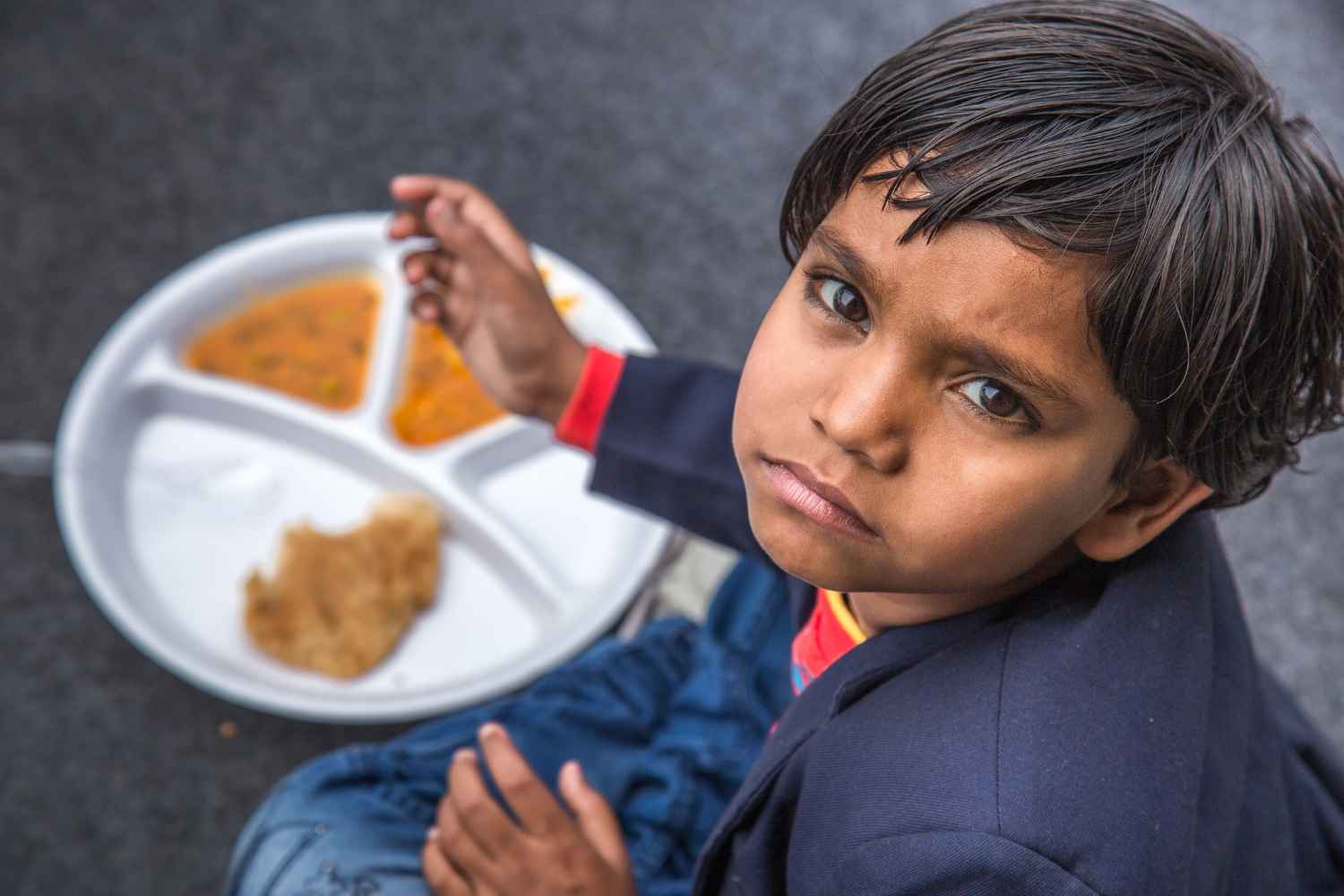
Lead is a toxic metal that can impair children’s brain development, damage kidneys and increase the risk of cardiovascular disease. Yet, although the dangers have long been known and exposure can be prevented, it continues to represent a huge public health problem.
According to an estimate by Pure Earth, approximately one billion children worldwide have blood lead levels above the threshold of 5 micrograms per deciliter. An emergency that mainly concerns low and middle income countries and which cannot be traced back only to industrial pollution, the metal can also hide in some foods, in spices, in drinking water and in the objects we use in the kitchen.
The World Health Organization (WHO) recently brought attention to this problem, which in October 2026, on the occasion of the International Week for the Prevention of Lead Poisoning, once again asked governments for more incisive interventions. In fact, it is not enough to recognize cases of exposure, lead must be eliminated from the sources from which it can reach people.
One billion children with too much lead in their blood
The most striking data comes from Pure Earth, an international organization committed to fighting toxic pollution. According to its estimates, one billion children in the world, more than one in three, have a blood lead concentration above 5 micrograms per deciliter (µg/dL). This is an important value because the WHO uses it as a reference level to identify sources of exposure and intervene to eliminate them.
However, it is essential to clarify that 5 µg/dL does not represent a threshold below which lead is harmless. In fact, the WHO underlines that there is no level of lead in the blood known to have no harmful effects, especially during childhood, even lower concentrations can have health consequences.
An equally worrying picture emerges from the estimates published directly by the WHO. In a May 2026 update, the Organization spoke of 815 million children affected by lead exposure, approximately one in three globally. The figures from Pure Earth and WHO should not be considered conflicting, they are in fact estimates developed in different contexts and with different methodologies, but both indicate well the global scope of the problem.
The consequences can be particularly serious during childhood. Lead is in fact able to reach the central nervous system and interfere with brain development, with possible permanent repercussions on cognitive abilities, learning and behavior. In more serious cases it can cause very significant neurological damage. But it is not only children who are exposed, the metal is also associated with kidney and cardiovascular problems in adults.
According to data from the Institute for Health Metrics and Evaluation (IHME) reported by the WHO, in 2023 lead exposure was associated with over 3.5 million deaths worldwide, mainly due to cardiovascular consequences. It is therefore not a risk limited to a few cases of acute poisoning, but a health problem that can also manifest itself through prolonged exposure to relatively low quantities.
How lead gets into food and the objects we use
Lead is naturally present in the earth’s crust, but the contamination that affects human health is linked above all to industrial activities and the use of the metal in numerous products. Mining, metal smelting, battery production and recycling, industrial processing and unsafe waste management can release it into the environment, contaminating air, soil and water.
From here it can also reach the food chain. Crops can absorb the metal from contaminated soil, while polluted dust and water can come into contact with food during production and processing.
Among the food sources of particular concern are some spices, such as turmeric and chili pepper. In certain contexts, lead can end up in products during drying, milling or storage. In some cases it has even been intentionally added in the form of lead chromate, to deepen the color of lower quality spices and increase their commercial value.
But the problem isn’t just about what we eat. Utensils and dishes can also contribute to food contamination. Some ceramics and terracottas, for example, can be coated with glazes containing lead which, under certain conditions, release it on contact with food. Even some aluminum pans and containers produced without adequate controls can contain the metal and transfer it to food.
Another possible source is old cans with lead solders. The metal may also be present in some traditional cosmetics, remedies and unregulated medicines, as well as in everyday objects such as toys, jewelery and paint.
Drinking water should not be forgotten. Pipes, fittings and solder that contain lead can release it into the water, especially under certain chemical conditions and when the water remains in contact with these materials for a long time. In this way the metal can reach directly into the glass, but also into the food during preparation and cooking.
The problem is more serious in low- and middle-income countries
Lead exposure is a global problem, but it does not affect all populations equally. The greatest burden falls on low- and middle-income countries, where mining and industrial activities and insufficient product controls can create conditions favorable to contamination.
According to Pure Earth, approximately 90% of children with blood lead levels above 5 µg/dL live in these countries. The WHO also reports that approximately 90% of deaths attributed to lead exposure are concentrated in the same areas of the world.
In some regions the problem is also linked to specific products. The WHO cites, for example, the contamination of some spices and traditional medicines in countries such as India, Mexico and Vietnam. It does not mean that all products from these countries are dangerous, but that certain production, processing and control practices may favor the presence of the metal.
Informal recycling of lead batteries is also a major source of contamination. When these activities are carried out without adequate protections and systems to contain emissions, lead can leak into the ground and air, exposing not only workers but also families and communities living nearby.
What the WHO wants to do to stop lead exposure
The WHO insists on a fundamental point: exposure to lead is largely preventable, but to reduce it it is not enough to intervene on people who have already accumulated the metal in their bodies. It is necessary to act first, eliminating or controlling the sources of contamination.
In his speech on September 22, 2026 in New York, during a meeting dedicated to the global fight against lead poisoning, WHO Director General Tedros Adhanom Ghebreyesus recalled that there is no known safe level of lead exposure and that, in young children, damage can accompany them throughout their lives.
The Organization is preparing two tools to be presented in 2027: a Global Action Plan for Lead Mitigation and a technical package called PREVENT, designed to help governments translate scientific knowledge into concrete interventions.
The PREVENT package identifies six areas of intervention:
The priorities also include the elimination of lead paint, the control of consumer products, the safety of recycling activities and the strengthening of blood testing systems, which are essential for identifying cases of exposure early.
The challenge, therefore, does not only concern medicine, but also the way in which we produce, trade and control what enters our homes. Lead is a long-known contaminant and its sources are largely identifiable. Reducing its presence in food, water, utensils and living environments means preventing damage which, especially for children, can be irreversible.
Sources: Pure Earth / WHO
