
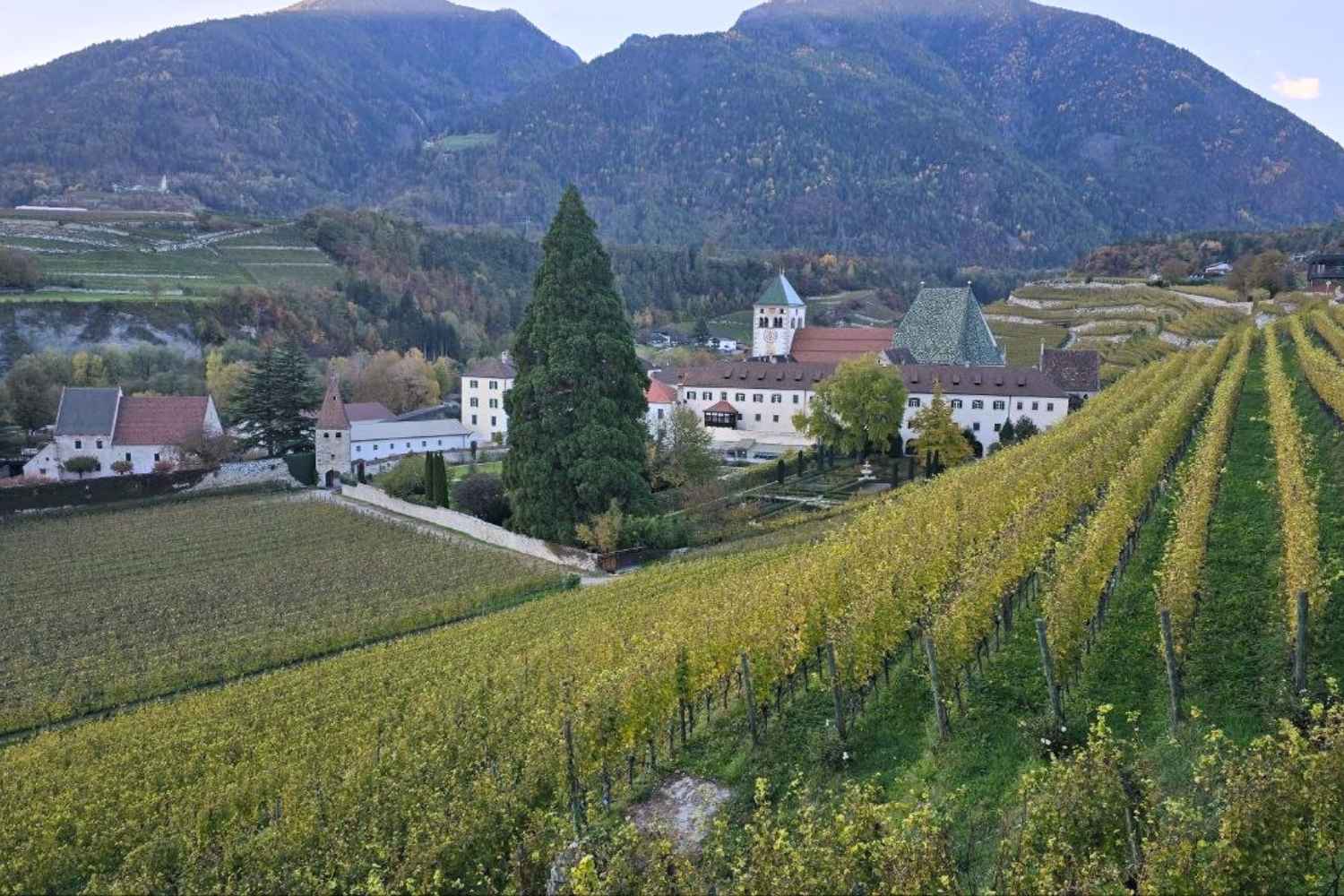
A few kilometers from Bressanone, among the vineyards and mountains of the Isarco Valley, lies one of the most fascinating monastic complexes in Alto Adige. It is the Abbey of Novacella, founded in 1142 and still inhabited today by the Canons Regular of Sant’Agostino.
Here almost 900 years of history coexist in one place: a richly decorated basilica, a medieval cloister, a spectacular Rococo library with 65,000 volumes and historic gardens. But there is also another peculiarity that makes Novacella a destination worth discovering: it hosts one of the oldest wineries in the world still in operation, where wine has been produced since the foundation of the monastery.
The history of Novacella Abbey
@Mario Notaro
The Novacella Abbey was founded in 1142 by Artmanno, bishop of Bressanone, the following year Pope Innocent II officially recognized the convent and its possessions.
The Isarco Valley was then one of the main transit routes for merchants and pilgrims coming from Northern Europe, heading towards Rome or the Holy Land; after crossing the Alpine passes, the monastery offered a place to rest and receive assistance.
Next to the abbey a hospice was built for travellers, the sick and people without means. It remained in operation for several centuries, until the 15th or 16th century. In 1807, during the Napoleonic period, the Bavarian government ordered the suppression of the monastery. The religious people were forced to leave and part of the book and artistic heritage was confiscated or transferred.
The community was able to return in 1816, when Emperor Francis I of Austria restored the abbey and its rights. During the Second World War the complex was used as a supply depot and suffered significant damage, which was followed by restoration work. In 1956 Pope Pius XII gave the abbey church the title of minor basilica.
What to see
The Novacella Abbey is a journey through the centuries: from the Romanesque bell tower to the Gothic arches of the cloister, up to the baroque splendor of the Basilica of Santa Maria Assunta, among frescoes, stuccoes and richly decorated altars.
Don’t miss the suggestive Castel S’Angelo (currently under renovation), a circular chapel inspired by the Holy Sepulcher of Jerusalem, and the curious Well of Wonders: the seven wonders of the ancient world are painted on its eight facades, while the eighth celebrates the abbey itself. A surprising detail that tells how proud this place was of its beauty.
The library of 1700 and its 65,000 volumes
@Roberto Barile
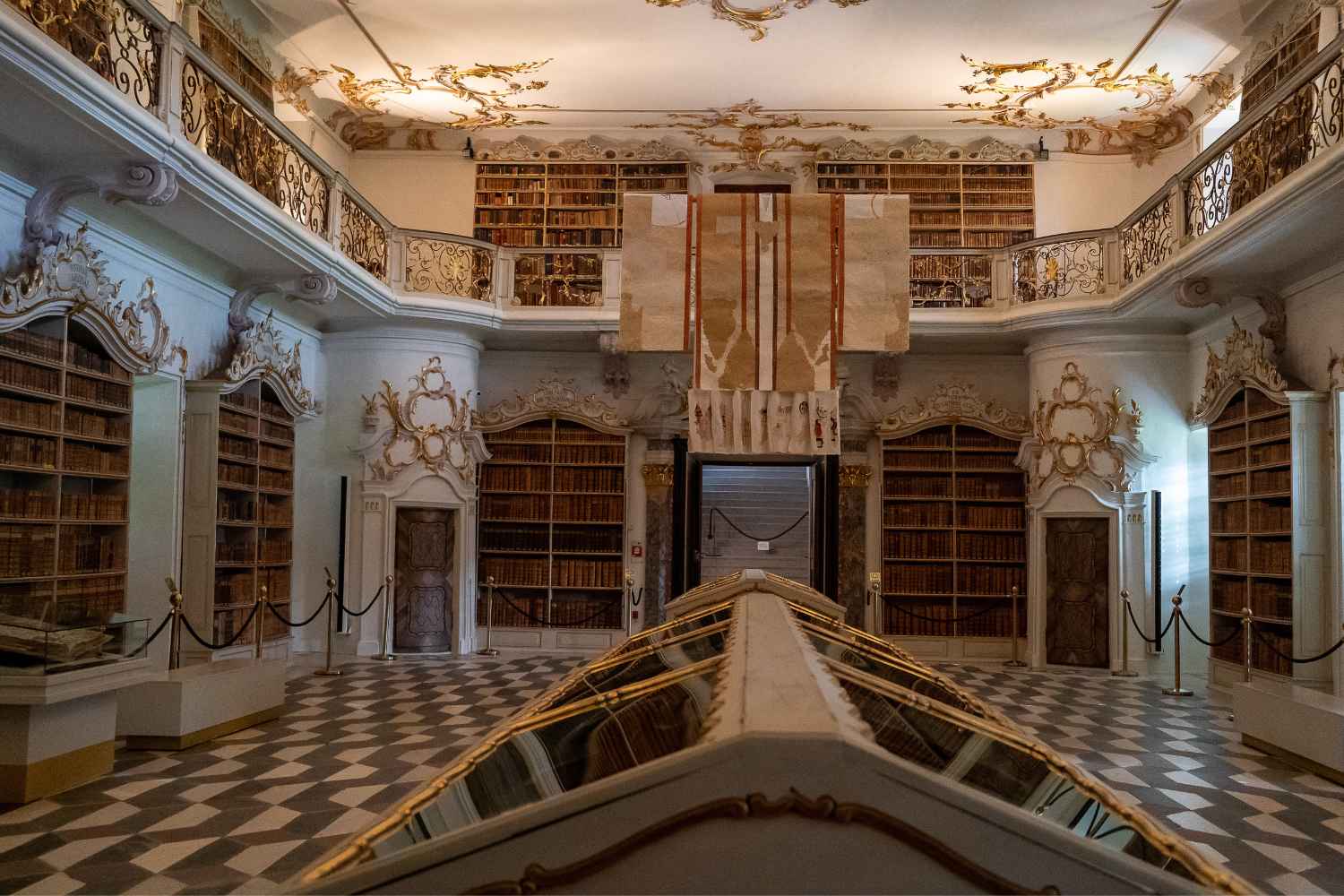
A small jewel of the eighteenth century that leaves you speechless: the rococo library of the Novacella Abbey, built in 1773, houses around 65,000 volumes, including ancient books, manuscripts and precious illuminated manuscripts. Imposing shelves, decorated vaults and an atmosphere of times past tell of centuries of knowledge, from philosophy to science. A curiosity? Part of the books were transferred to Bavaria in 1807 and only some returned after the First World War. Today this extraordinary library can be visited along the abbey’s museum route.
The cellar of 1142
@Mario Notaro
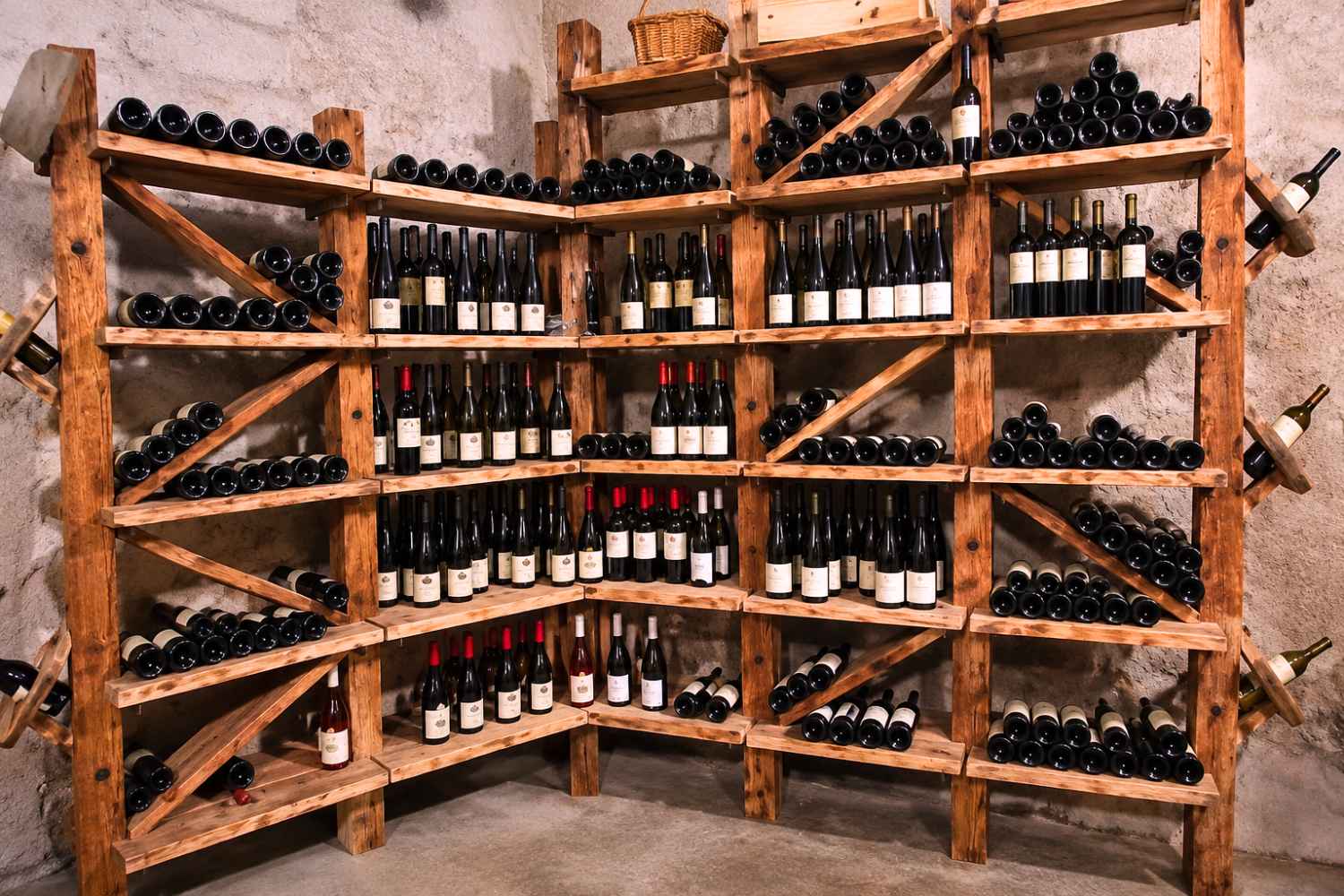
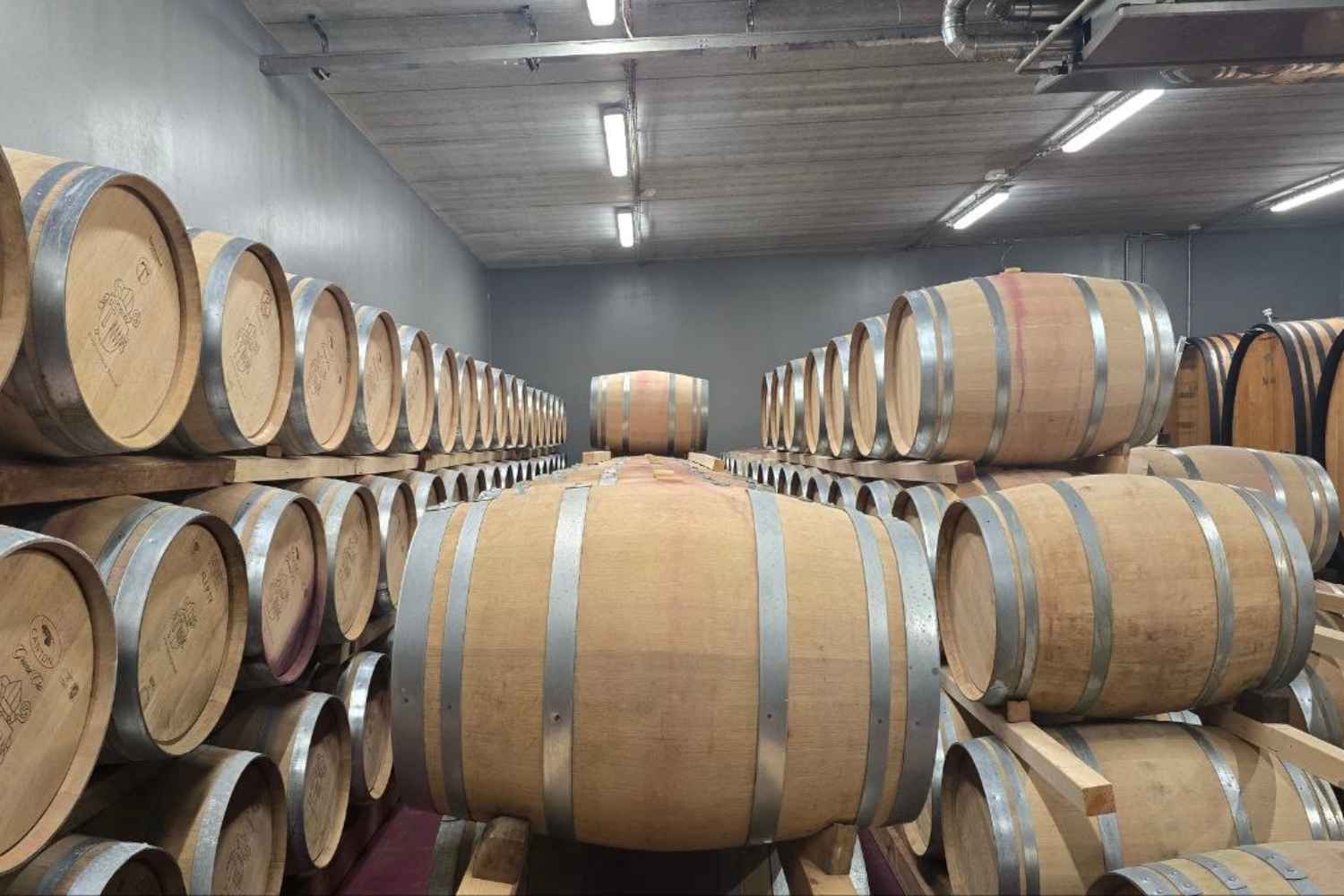
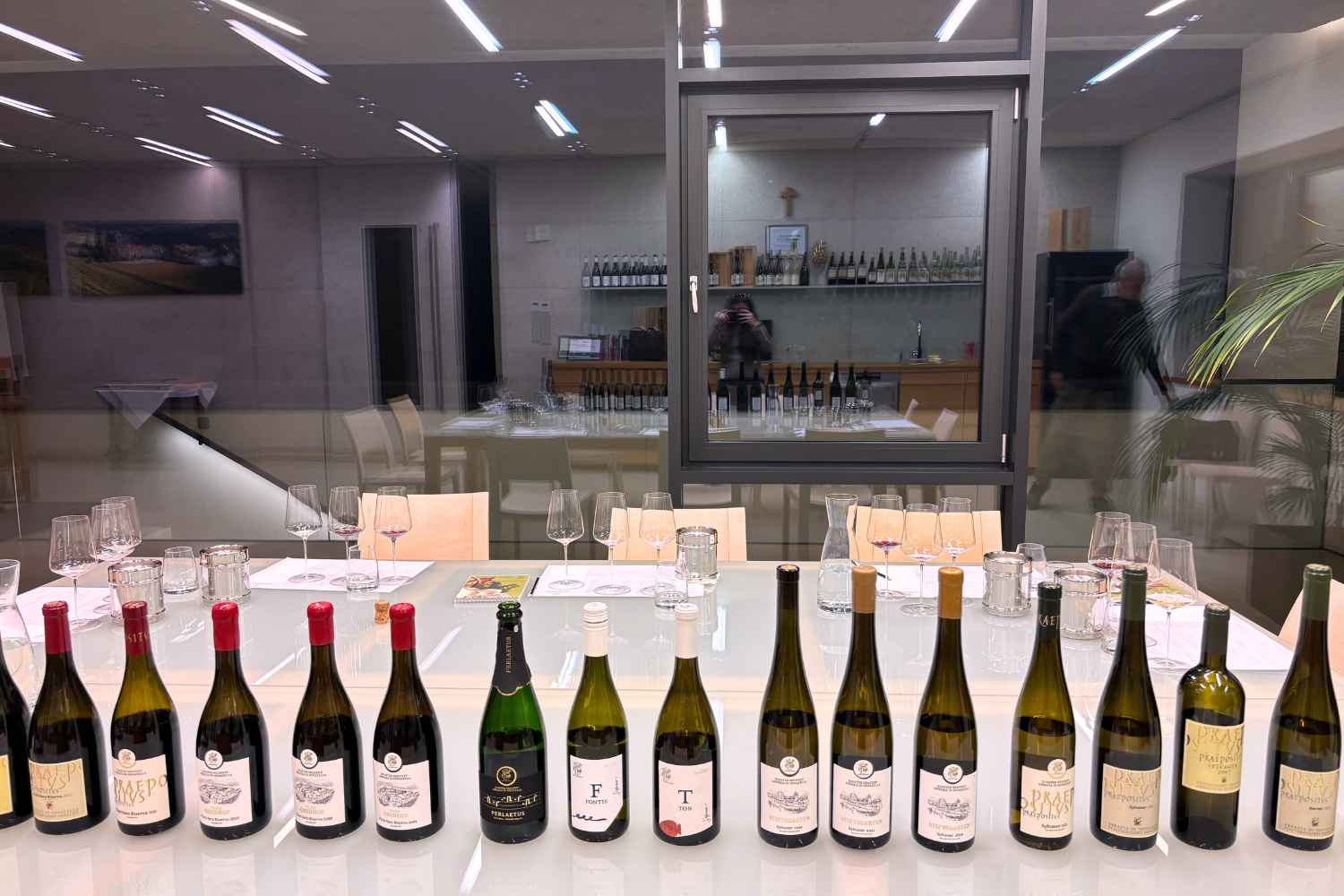
It’s not every day that you enter a winery that has been producing wine for almost nine centuries. That of Novacella Abbey has a history that begins in 1142, when the monastery received its first vineyards. Since then the winemaking tradition has become an integral part of the life of the abbey, so much so that it is one of the oldest still active wineries in the world.
@Mario Notaro
Today, around 850,000 bottles are produced per year, 80% of which are white wines. The secret also lies in the position of the vineyards: between 600 and 900 meters above sea level, in the heart of the Isarco Valley, where the strong temperature variations favor particularly aromatic grapes. Among the most representative varieties are Sylvaner, Kerner, Riesling, Müller Thurgau, Gruner Veltliner and Gewürztraminer.
But Novacella doesn’t just produce whites. Further south, between Bolzano and Cornaiano, the estate also grows red grape varieties, including Lagrein, Pinot Noir and Schiava.
The most interesting part for those visiting the abbey is the possibility of booking a visit to the cellar, taking a walk through the vineyards and participating in a tasting, discovering how a tradition born in the Middle Ages has reached the present day.
@Mario Notaro
The garden
The historic garden of the abbey was reopened to the public in 2004, after three years of restoration. The layout recalls that of the Baroque gardens. The flowerbeds have geometric shapes and are crossed by paths. There is also a fishpond and an aviary. A section is dedicated to aromatic herbs, with around 75 varieties of local and exotic plants. The garden can be visited from May to October and remains closed during the winter months. The museum and the other accessible areas of the abbey instead follow an annual opening calendar.
Life in the monastery: a story that has continued for almost 900 years
The Novacella Abbey is a monastery still alive, in fact within these walls the Canons Regular of Sant’Agostino continue to live and carry on a tradition that has lasted for almost nine centuries, interrupted only during the Napoleonic period.
Today the complex is also an important cultural and educational centre, with a boarding school, training activities and spaces dedicated to meetings and conferences. Since 1988 it has also hosted an ecological center dedicated to environmental issues, demonstrating how such an ancient place can continue to face the challenges of the present.
Furthermore, among the rooms recovered thanks to the most recent restorations there is also the Chinese Cabinet, a curious eighteenth-century room decorated with scenes of daily Chinese life and exotic birds. Restored between 2020 and 2021, it is another little wonder hidden within the walls of the abbey.
How to visit the Novacella Abbey: opening times, prices and advice
The Novacella Abbey is located in Varna, about 3 kilometers from Bressanone, and is a perfect stop for those visiting the Isarco Valley and wanting to discover a place that combines art, history and food and wine traditions.
The museum is open from Monday to Saturday, from 10am to 5pm (last entry at 4.15pm), while it is closed on Sundays and on main religious holidays.
The entrance ticket costs 13 euros for adults, 11 euros for over 65s and 7 euros for students up to 26 years old and children aged 15 to 18. Children up to 14 years old enter free. From May to October, when the historic garden is also open, a combined ticket is available for 16 euros.
To truly discover the treasures of the abbey, it is worth taking part in a guided tour, generally scheduled for 11am and 2.30pm, upon reservation. Allow at least a couple of hours to visit the basilica, the cloister, the library and the museum. If you want to add a walk through the vineyards and a tasting in the cellar, it is better to dedicate half a day to the visit.
The abbey has free parking, but can also be reached by public transport from Bressanone or by bicycle, following the routes of the Isarco Valley.
Before leaving, especially if you wish to participate in a tasting or visit the gardens, consult the official website of the Novacella Abbey to check updated opening times, rates and availability.
