
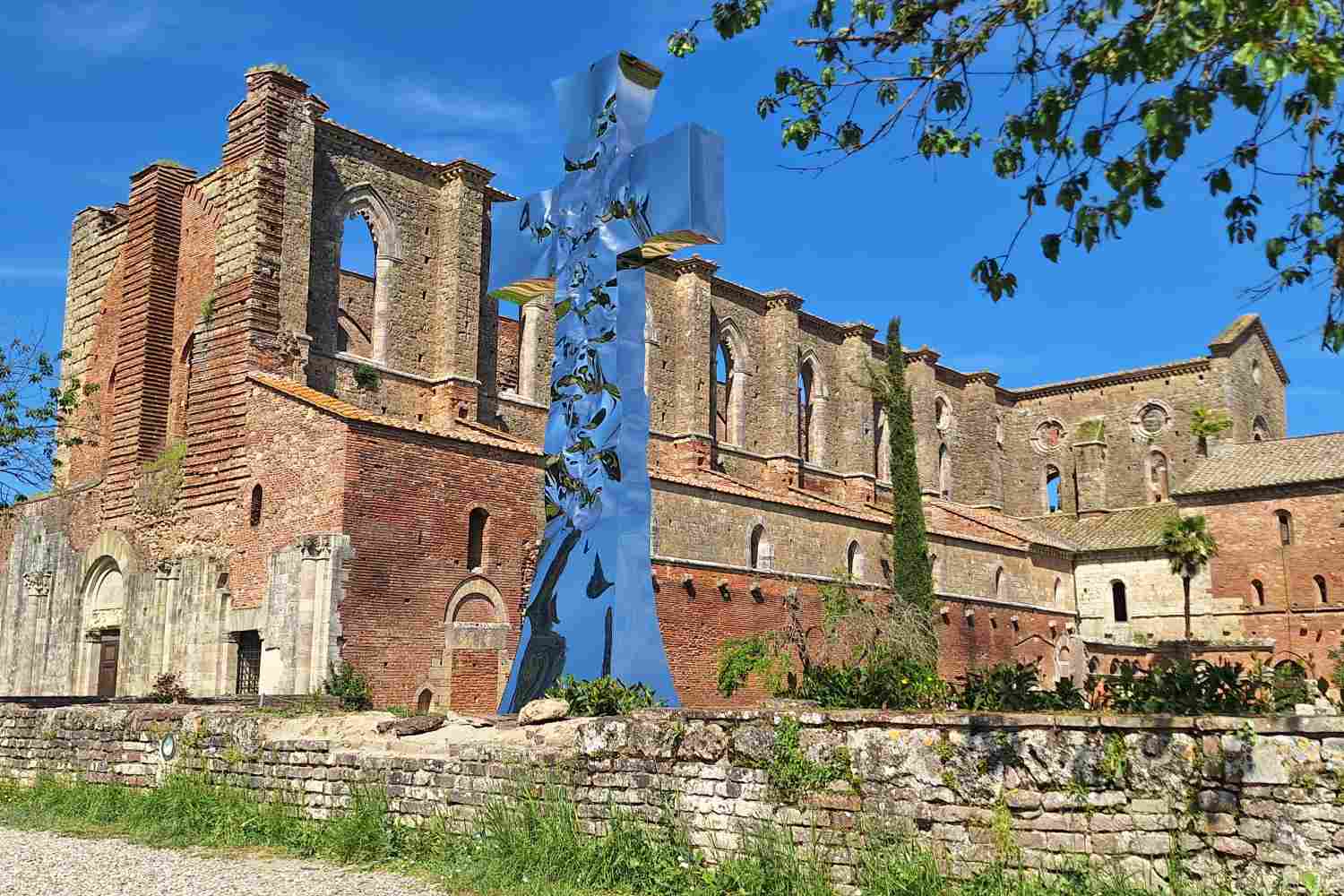
Certain destinations seem to preserve the pulse of a remote time intact, capable of welcoming you with the austere and silent charm of real things. This is the feeling we felt when we arrived in Chiusdino, a magnificent medieval village perched on the top of a hill between the Merse Valley and the Colline Metallifere. A land famous throughout the world also for the extraordinary Abbey of San Galgano, the evocative open-air church not far from the town centre, and for the Montesiepi Hermitage which houses the legendary sword in the stone.
@RebeccaManzi/GreenMe
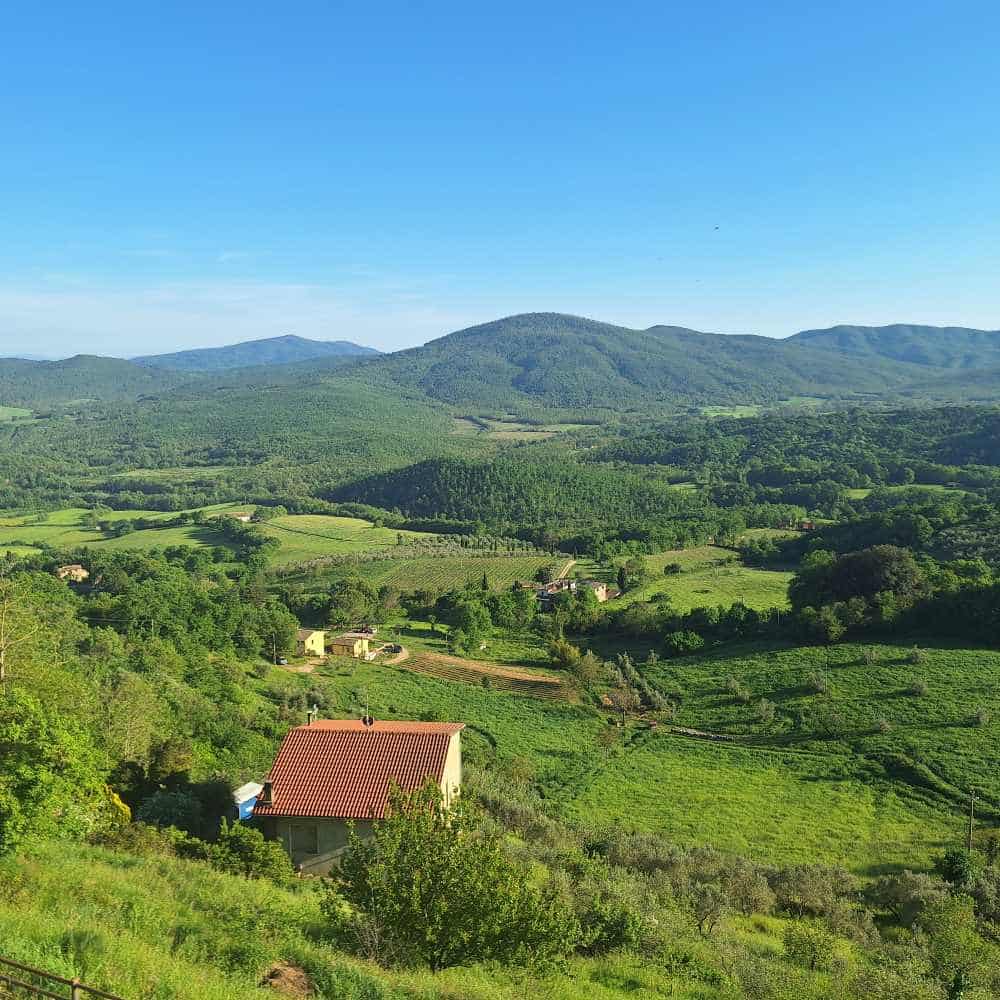
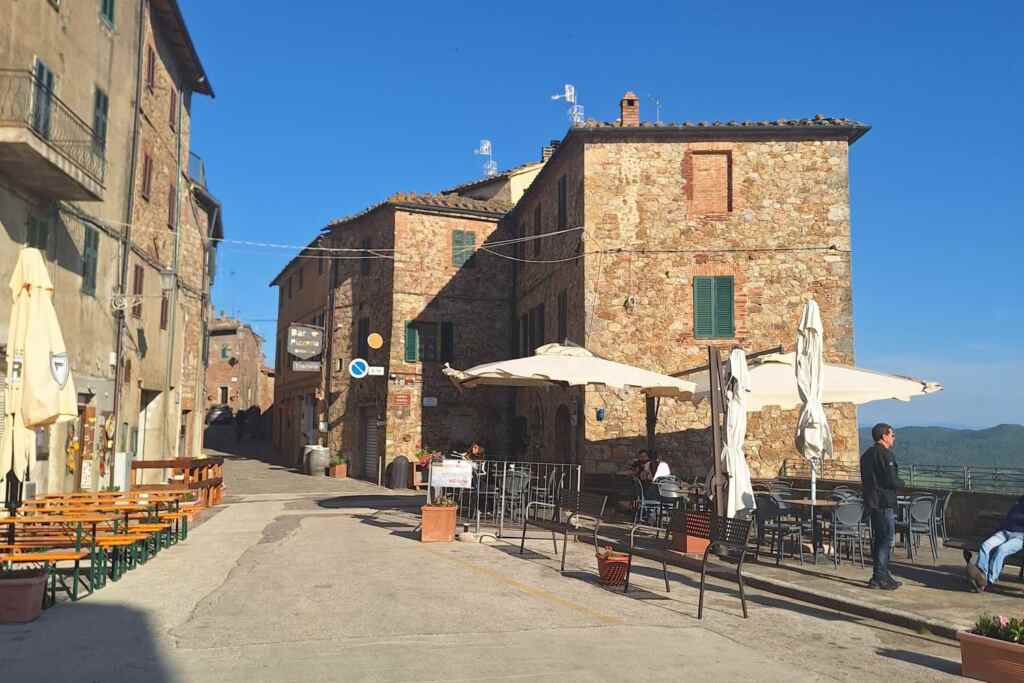
As our first stop we reached Piazza Garibaldi, which acts as a splendid natural balcony opening onto the valley below and the vineyards of the Sienese hills.
@RebeccaManzi/GreenMe
Our itinerary begins from here to discover an urban agglomeration born before the 11th century and grown thanks to silver mines and agriculture.
@RebeccaManzi/GreenMe
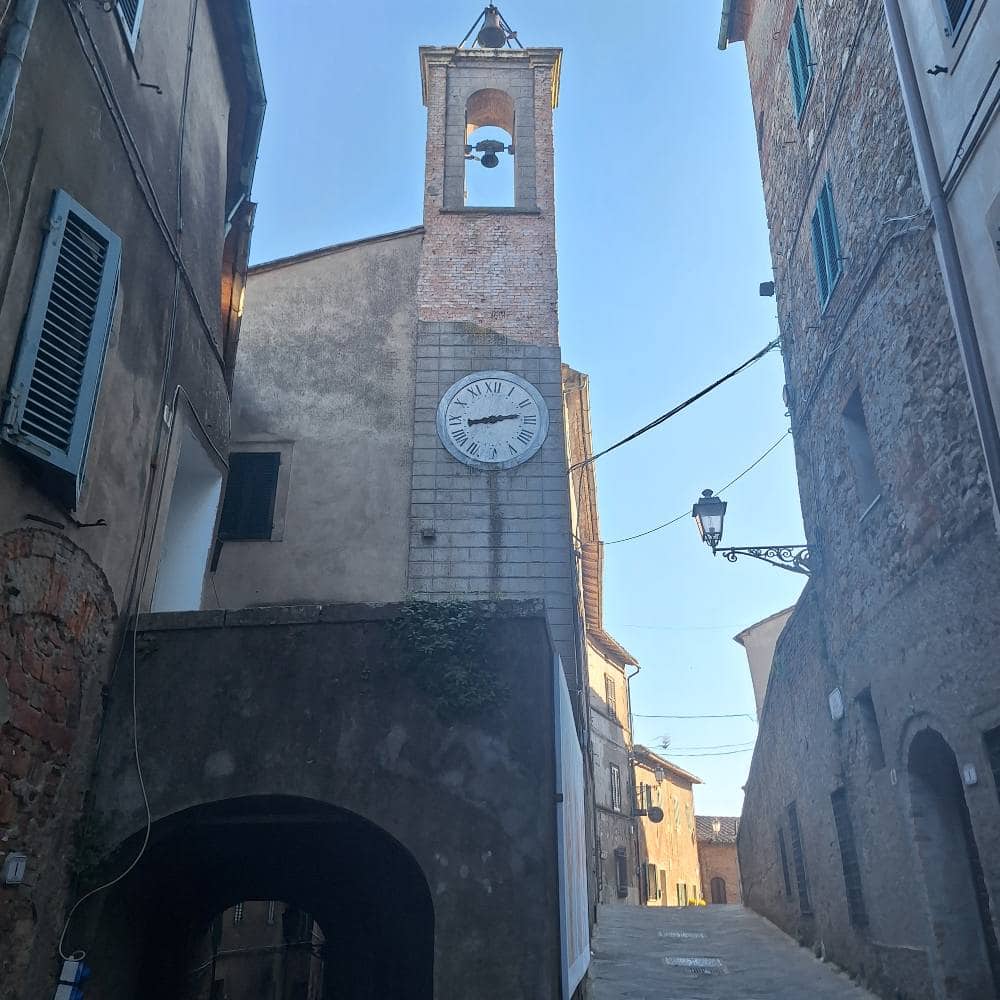
Taking the uphill road, we came across the Palazzo Pretorio, also known as Palazzo Lenzi-Novellini, a building dating back to the 15th century characterized by its bell tower and linked to the domination of the French magistrates, under which opens the suggestive underpass called the Ruga.
@RebeccaManzi/GreenMe
Among historic churches, the Portino and the mystery of San Galgano
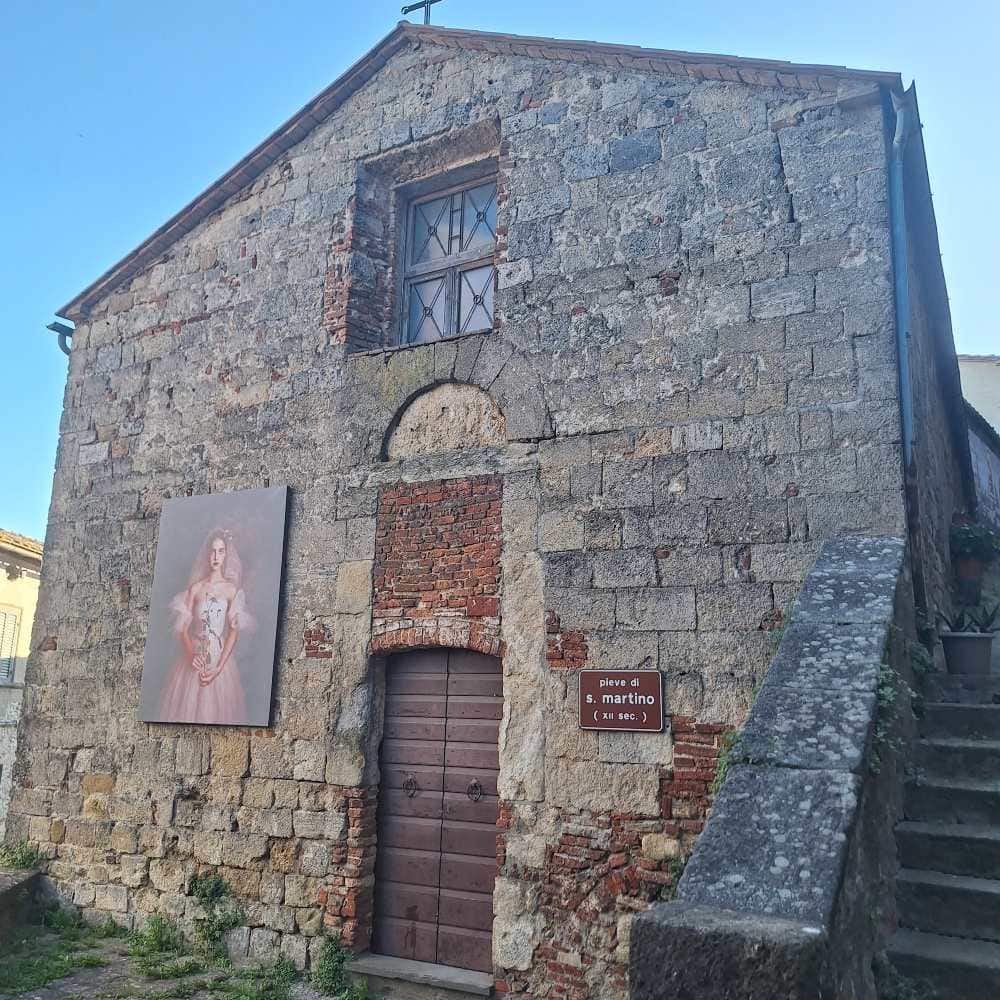
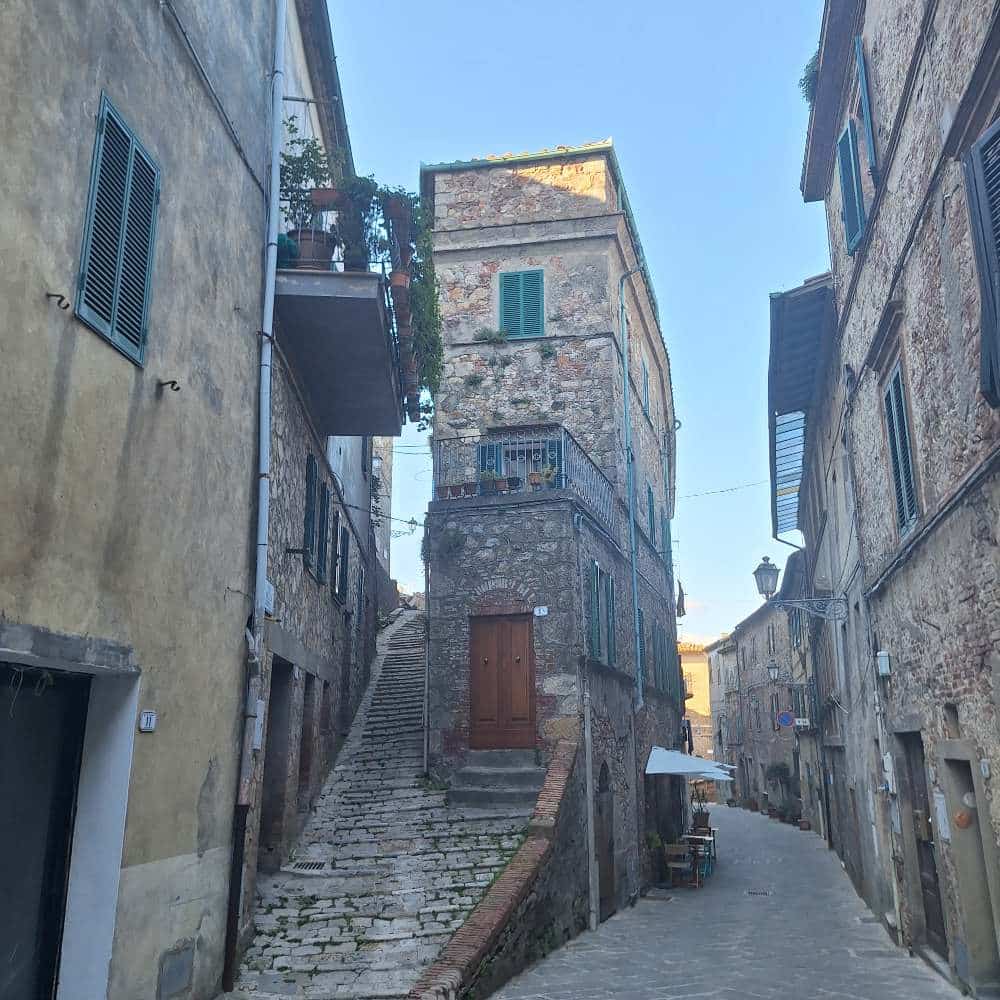
Continuing along the stone steps, our attention was captured by the Church of San Martino, dating back to the 12th century and built with large blocks of tuff by Benedictine monks. Passing the characteristic arched door of the Portino, we immersed ourselves in the oldest and most evocative nucleus of the village, where the paved alleys narrow in a tangle of climbs and descents embellished with pots of plants and flowers that contrast with the terracotta of the houses.
@RebeccaManzi/GreenMe
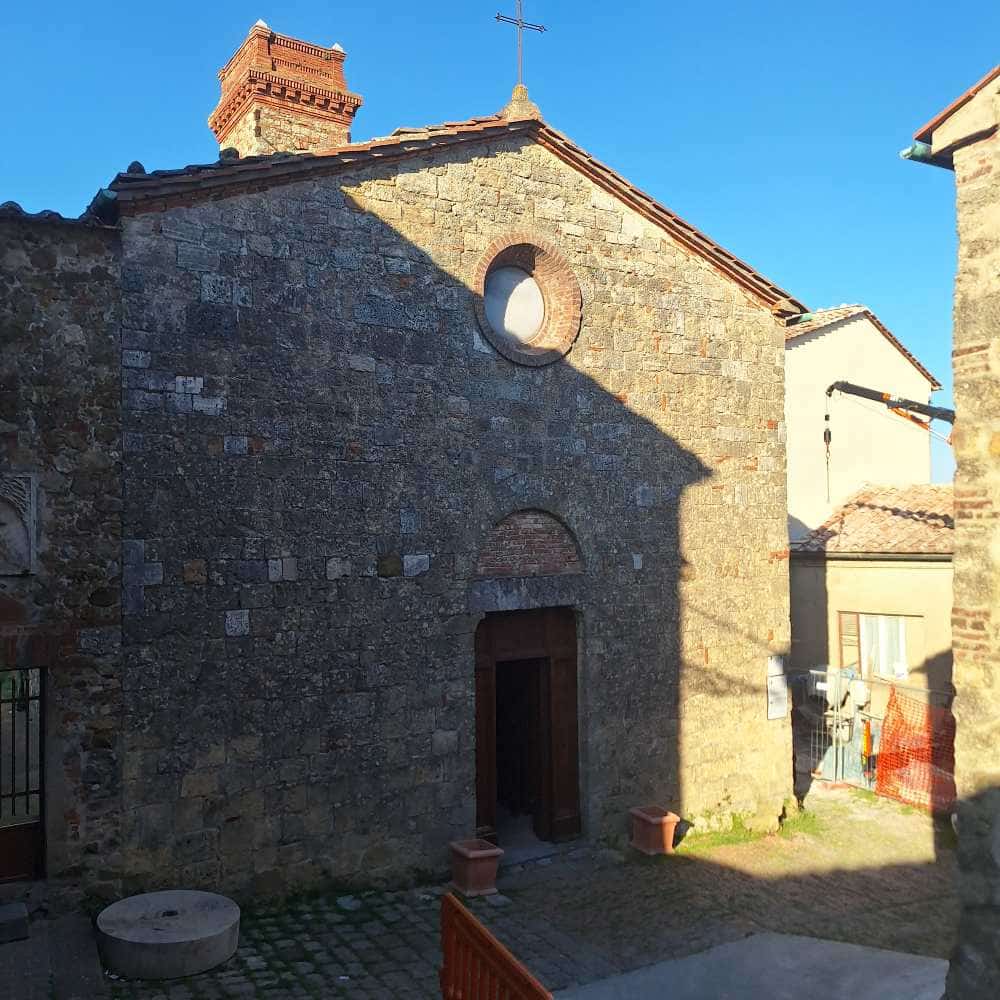
At the highest point stands the Church of San Michele Arcangelo, the Propositura which houses inside a silver reliquary the reliquary with the skull of San Galgano, the knight born here in the 12th century and famous for his hermit life.
@RebeccaManzi/GreenMe
Not far away is the Oratory of San Sebastiano, built in the fourteenth century to fight plague epidemics, and the Birthplace of San Galgano, where an underground chapel preserves the boulder on which tradition has it that the Saint’s horse knelt at the appearance of the archangel.
Among author’s photographs on the walls and the historic streets of the village
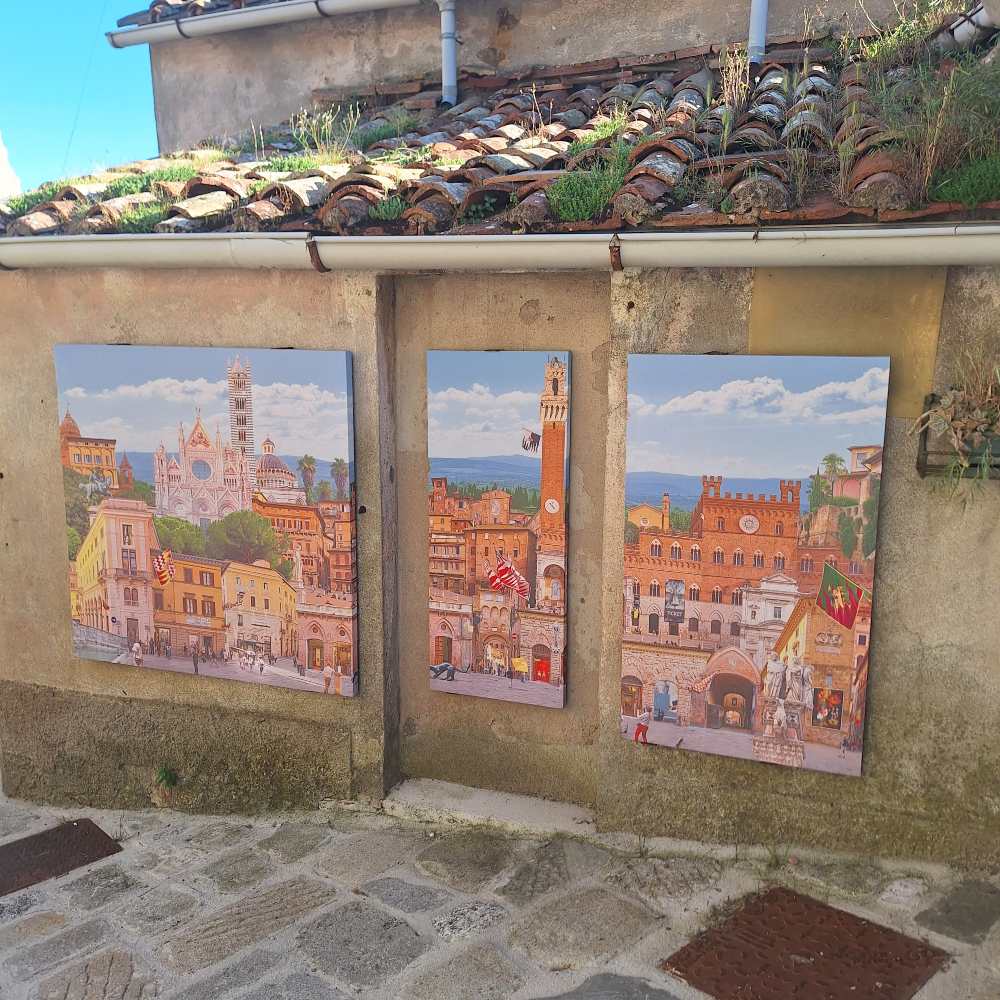
What attracted our curiosity was a fascinating outdoor artistic initiative: three large photographic prints affixed to a stone wall showing panoramic views of Siena, in particular views of the Siena Cathedral and Piazza del Campo with the Torre del Mangia. Intrigued, we tried to find out what it was: an exhibition in which the large photographs from the Creative Photo Awards were installed directly on the walls of the buildings in Chiusdino, creating a perfect fusion between historical architecture and contemporary visual art.
@RebeccaManzi/GreenMe
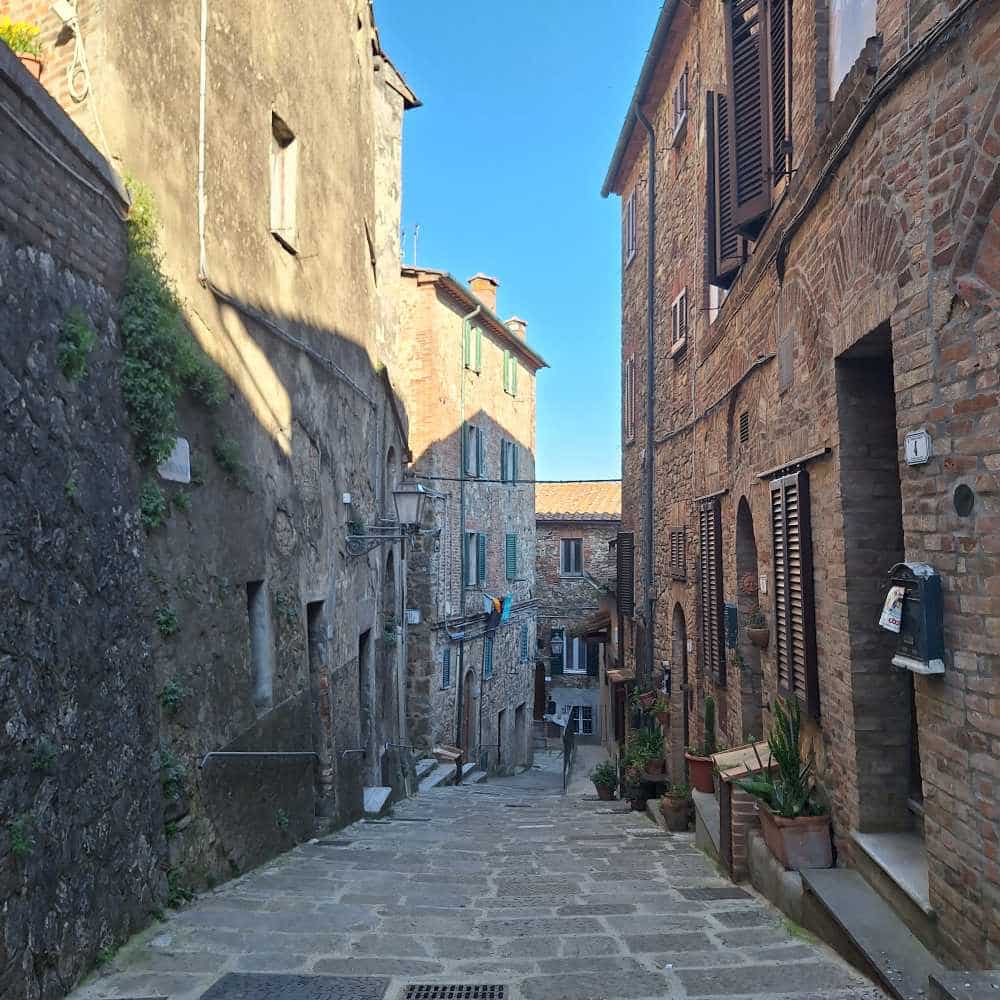
Our journey through the wonders of the village ended by letting ourselves be guided by the pure pleasure of losing ourselves in the streets of the village, where every corner offers perspective glimpses of rare beauty. We found ourselves in front of characteristic steeply sloping paved streets that artfully divide around stone buildings with wrought iron balconies, wooden shutters and flower-filled terraces.
@RebeccaManzi/GreenMe
Suggestive views, framed by ancient red brick walls, stone-covered steps and details of everyday life, make a simple walk in Chiusdino an intimate and unforgettable experience. Leaving this place gives you the awareness of having crossed a corner of Tuscany that has remained authentic, where the history of chivalry and beauty continue to whisper intact to those who know how to listen to them.
@RebeccaManzi/GreenMe
