
Between 1993 and 2020, the incidence of stroke among adults aged 20 to 54 nearly doubled in the Cincinnati area, United States. We went from 33.9 to 62.2 cases per 100 thousand people per year, an increase of approximately 83%. In the same period, among adults aged 55 and over, the phenomenon followed the opposite direction: cases decreased.
These are the results of a study published in the scientific journal Neurologyconducted by a group of researchers from the University of Cincinnati and coordinated by Emily R. Fisher. The work analyzed 2,076 first stroke episodes recorded among younger adults in five counties between Ohio and Kentucky, a region with about 1.4 million inhabitants.
The researchers examined hospital admissions in six distinct periods, from 1993-1994 to 2020. The results therefore concern a specific American population, but they reveal a trend that deserves attention: stroke is becoming more frequent even at an age in which we are used to considering it a still distant danger. The absolute risk remains relatively low: in 2020 there were approximately six new cases per 10 thousand inhabitants per year in the age group studied. But compared to 27 years earlier they are almost double.
Ischemic stroke has almost doubled, while hemorrhagic stroke does not follow the same trend
The growth is mainly driven by ischemic stroke, the most common form, which occurs when an artery is blocked and a part of the brain no longer receives enough blood and oxygen. In the period analyzed, its incidence increased from 23.8 to 47.3 cases per 100 thousand people per year. For hemorrhagic forms, caused by the rupture of a blood vessel inside the brain or in the space surrounding it, researchers have not identified statistically significant increases.
The trend affects both age groups considered. Between 20 and 39 years of age, the overall incidence rose from 12.1 to 21.1 cases per 100 thousand inhabitants. Between 40 and 54 years old, from 72.1 to 124.7. The risk therefore increases with age even within the group studied, but the growth concerns both those in their twenties and thirties and those approaching 55 years of age.
And here comes a particularly interesting fact. In fact, among the over 55s in the same region, the rate dropped from around 619 to 453 cases per 100 thousand inhabitants. While strokes became less frequent in the elderly population, exactly the opposite occurred among younger adults.
High blood pressure, diabetes and heart problems: what researchers found
To try to understand what may have contributed to this growth, the researchers also examined the health conditions of those affected. And some numbers are quite eloquent. Among patients who had had a stroke, the percentage of people with hypertension rose from 47.3% to 60.3%, while that with diabetes rose from 19.1% to 25.5%. Atrial fibrillation, an alteration of the heart rhythm that can favor the formation of clots capable of reaching the brain, has also become more frequent: from 1.4% to 5.9%.
Another element concerns ischemic strokes of cardioembolic origin, caused by clots that form in the heart and reach the cerebral circulation. Their share increased from 10.5% to 18.5% of ischemic cases. These are all risk factors already known to medicine. The peculiarity lies in their growing presence among patients who, by age, we are still inclined to consider young.
These percentages, however, concern people who have already had a stroke and not the entire population. The study therefore does not allow us to establish how much each condition contributed to the increase in cases. There is also another detail: today some heart problems are identified more easily thanks to more accurate diagnostic checks. The increased frequency of atrial fibrillation could also reflect, at least in part, this improvement.
Cannabis use has increased among patients, but the causes of stroke remain complex
Among the elements examined also appears the consumption of substances recorded in the medical records. The percentage of patients with documented use increased from 4.6% in 1993-1994 to 40.2% in 2020. A significant part of the increase concerns cannabis, the presence of which in clinical records rose from 0.9% to 30.6%. Important numbers, which the researchers invite us to read also considering how the methods of detecting and recording substance use have changed over the decades.
The study does not establish a direct cause and effect relationship between cannabis and an increase in strokes, although substance use is among the possible risk factors to be investigated further. After all, identifying the origin of a stroke in a young adult can be particularly complicated.
A scientific review dedicated to strokes in young adults describes very different causes. Alongside hypertension and cardiovascular diseases, coagulation disorders, cardiac anomalies, artery dissections, migraine with aura and other less frequent conditions may appear.
And in a significant portion of cases, even after investigations, the origin of the stroke remains unknown. In short, researchers have documented an increase in cases and identified several factors that may have contributed to it. Further studies will be needed to fully explain the growth.
More people survive strokes, but they can live with the consequences for years
The research also contains some good news. As the incidence increased, the percentage of patients aged 20 to 54 who died within 30 days of stroke decreased from 11.7% to 9.4%, according to estimates adjusted for demographic characteristics used in the study.
The improvement mainly concerns hemorrhagic strokes. For ischemic ones, responsible for the majority of the increase in cases, a statistically significant reduction in 30-day mortality was not observed. Surviving a stroke, however, does not necessarily mean returning to your old life.
Motor difficulties, language problems, memory alterations and other disabilities may remain and require long rehabilitation courses. Consequences which, for a thirty-year-old person, can accompany decades of life, with repercussions on work, autonomy and relationships.
As Emily Fisher explained in the University of Cincinnati communication, the fact that more young people survive could also mean an increasing number of people forced to live with the long-term effects of stroke. An aspect that the study did not measure directly, but which researchers consider important for understanding the future consequences of this trend.
How to recognize stroke symptoms even when you are young
A stroke can occur suddenly, even in a person who seemed fine just a few minutes earlier. According to the indications of the Ministry of Health, among the signs to recognize are the sudden loss of strength or sensitivity in one side of the face, an arm or a leg, difficulty speaking or understanding words, sudden visual disturbances, loss of balance and a particularly violent and unusual headache.
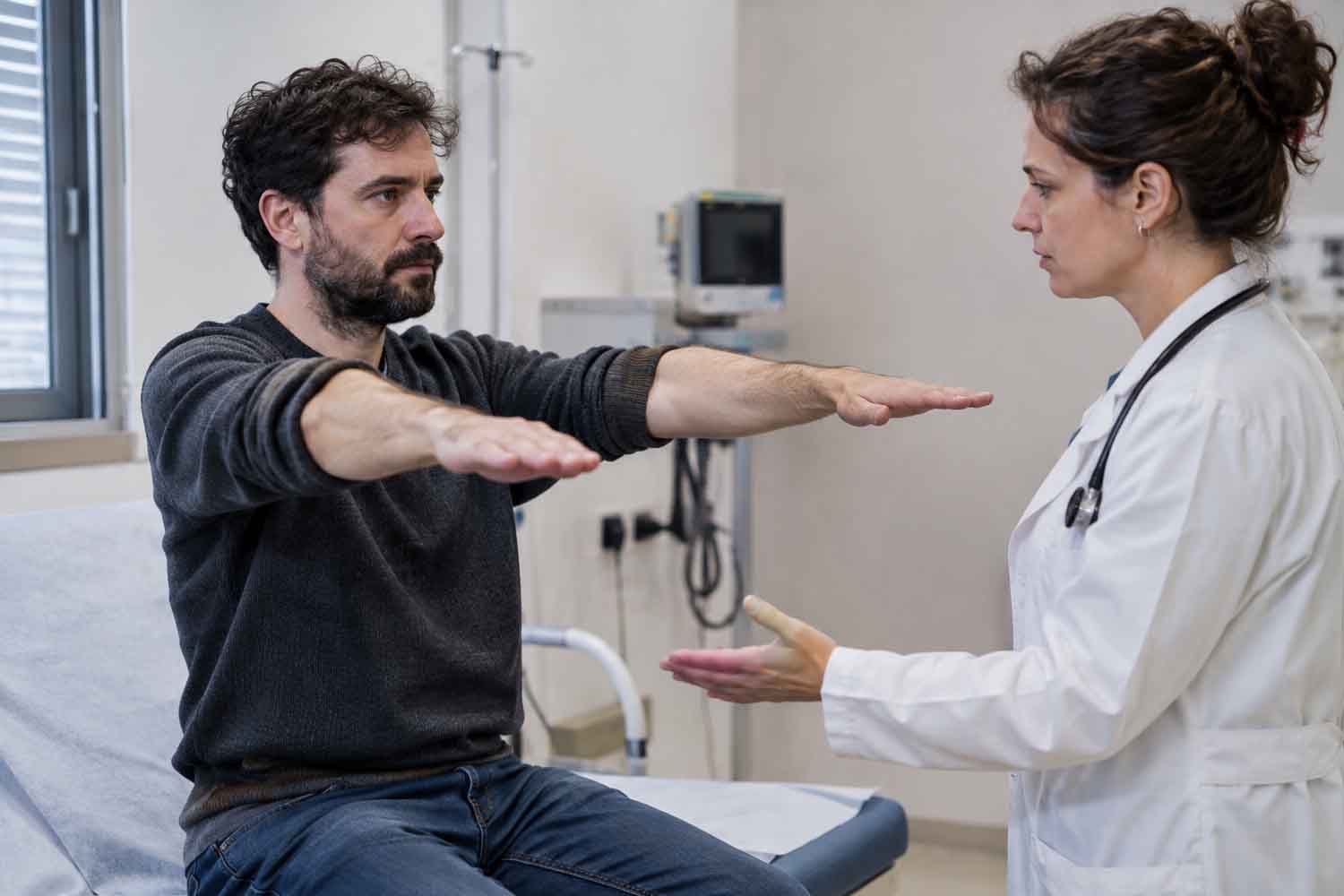
To remember some of the most characteristic symptoms, the acronym FAST is used: Faceface; Armsarm; Speechlanguage; Timetime. Just observe some simple gestures: can the person smile normally? Can you lift both arms? Does he speak intelligibly?
If one of these signs appears suddenly, you should call 112 or 118 immediately, even when the symptoms seem to improve. The Ministry recommends avoiding transport to hospital by your own means, because it is necessary to quickly reach a facility equipped for stroke treatment.
Prevention also involves controlling blood pressure, diabetes, cholesterol and other modifiable risk factors. Checks that we often associate with an older age, when in fact they can be important much earlier. The American data stops at 2020. To understand whether the increase has continued and what factors determined it, new research will be needed. To recognize a stroke and ask for help, however, the necessary information is already there.
