
What remains after the separation of the sand
The waste collected during beach cleaning is not a single material. There is a mineral fraction, made of sand and shells, an organic one, with algae, aquatic plants and oceanic posidonia, and an anthropic one, i.e. plastics, microplastics and glass. The treatment separates them with washing and screening. The clean sand returns to the beach of origin, the anthropic fraction goes for recovery or disposal. The seagrass is washed and dehydrated, and two destinations are indicated for this fraction: recovery in agriculture, as compost, or green building.
An example with numbers comes from Marina di Cecina, at Le Gorette beach, where a 30-day intervention treated 585 tons of material taken from the beach. The result was 320 tons of clean sand returned to the coast, 150 tons of seagrass transformed into organic compost and 10 tons of anthropogenic waste and microplastics. Posidonia is about a quarter of the total, a share that cannot be treated as a detail.
From seagrass to soil: washing, desalination and composting
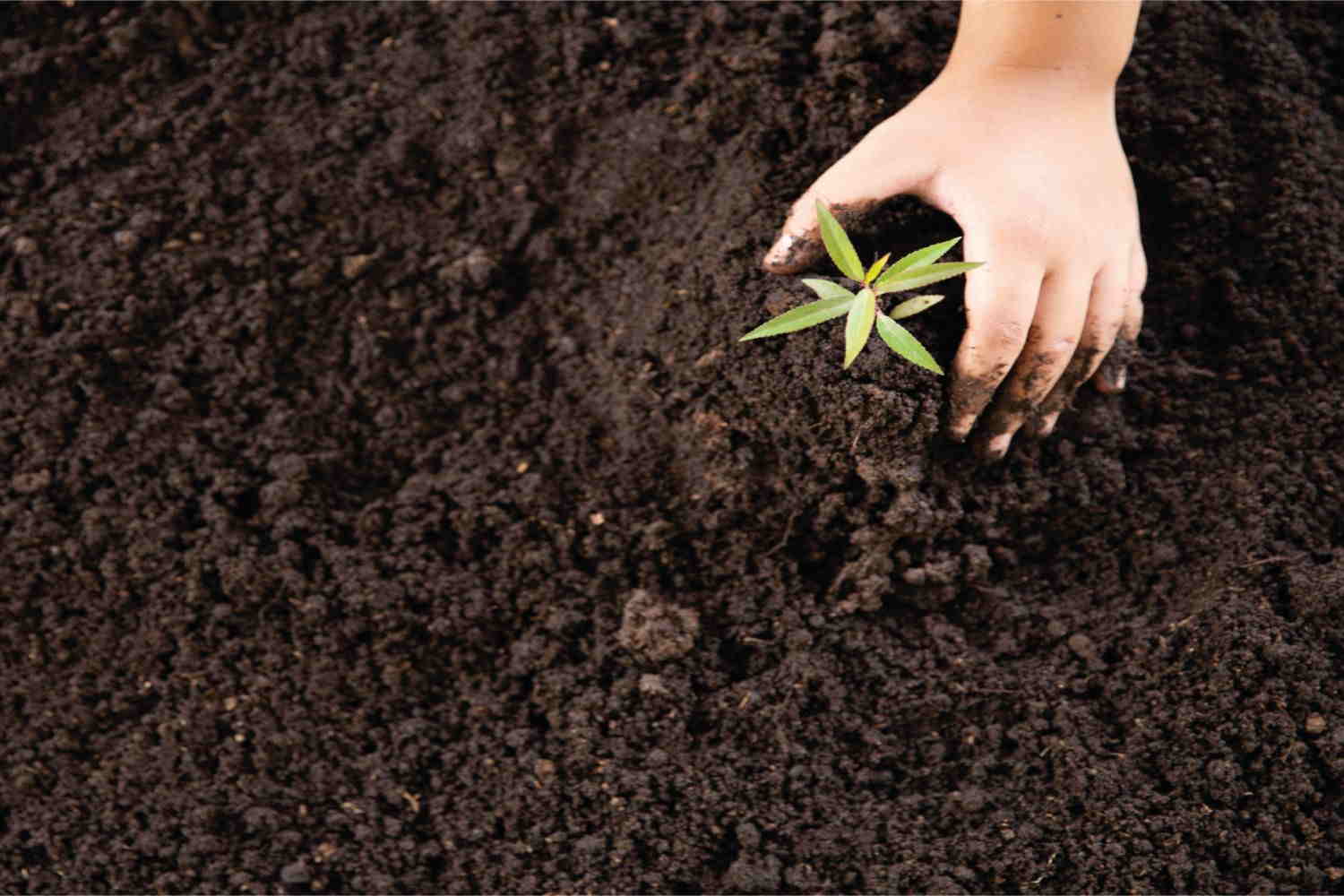
The organic fraction can become the basis of a soil, and this is what happens in Sardinia. Starting from posidonia collected along the coasts of the island and washed in patented systems, organic soils obtained from beached posidonia are produced in four formulations designed for different uses: a universal soil for the garden, one enriched with manure for vegetable gardens and orchards, one for flowers and ornamental plants and one for the sowing and maintenance of lawns. The formulations are separate because a vegetable crop and a lawn have different nutrient and soil structure needs.
The first obstacle is salt. The leaves come from the sea and a salty material is not suitable for supporting the plants in a vegetable garden. For this reason, the treatment starts with washing and desalination, followed by composting together with other plant matrices, in authorized plants. According to the manufacturer, the result is a neutral product in terms of salinity and without the typical odors of the starting material: it behaves like a normal organic soil.
Because it’s not a take from the sea
Posidonia oceanica is a protected marine plant, and the meadows it forms on the seabed have an important ecological role. This is why it matters where the material comes from. The one used for the soil comes only from leaves and residues already deposited by the sea on the shoreline and collected during cleaning of the beaches. There is no withdrawal from the submerged prairies, which remain where they are. This also results in a practical limit: the quantity available depends on how much the Municipalities collect, and cannot be decided upstream.
The accumulations of leaves on the shore, the so-called banquettes, also have a function: they protect the beach from erosion. Collecting them is a choice of the Municipalities, which do it for seaside use or for anomalous quantities. Recovery concerns what is collected anyway.
Where to use it: vegetable gardens, gardens, green areas
Posidonia is rich in organic substance, mineral salts and trace elements. Once treated, it serves to improve the structure of the soil, water retention, i.e. the ability of the soil to retain water, and fertility. Formulations change depending on use. The universal one is good for repotting houseplants, for flowerbeds and for light soil improvement. The one with manure, i.e. mature manure, adds nitrogen and other nutritional elements, and is used where the crop requires more, such as in a vegetable garden or among fruit trees. For lawns there is a product designed for sowing and maintenance. The contexts indicated are gardens, vegetable gardens and green areas.
Dosages depend on the crop and the product. The reference is the one shown on the packaging, not a rule valid for everyone.
What to look at before choosing reclaimed soil
A soil made from recycled material should be read like any other. First of all the raw material: in the case of posidonia, if it is only beached material. Then the treatment, in particular the one against salinity, which is the most delicate point. Finally, the label, where the declared composition and the use for which the product is intended must appear, because lawn soil is not designed for a vegetable garden, and the dosage indications, which change from one formulation to another.
