
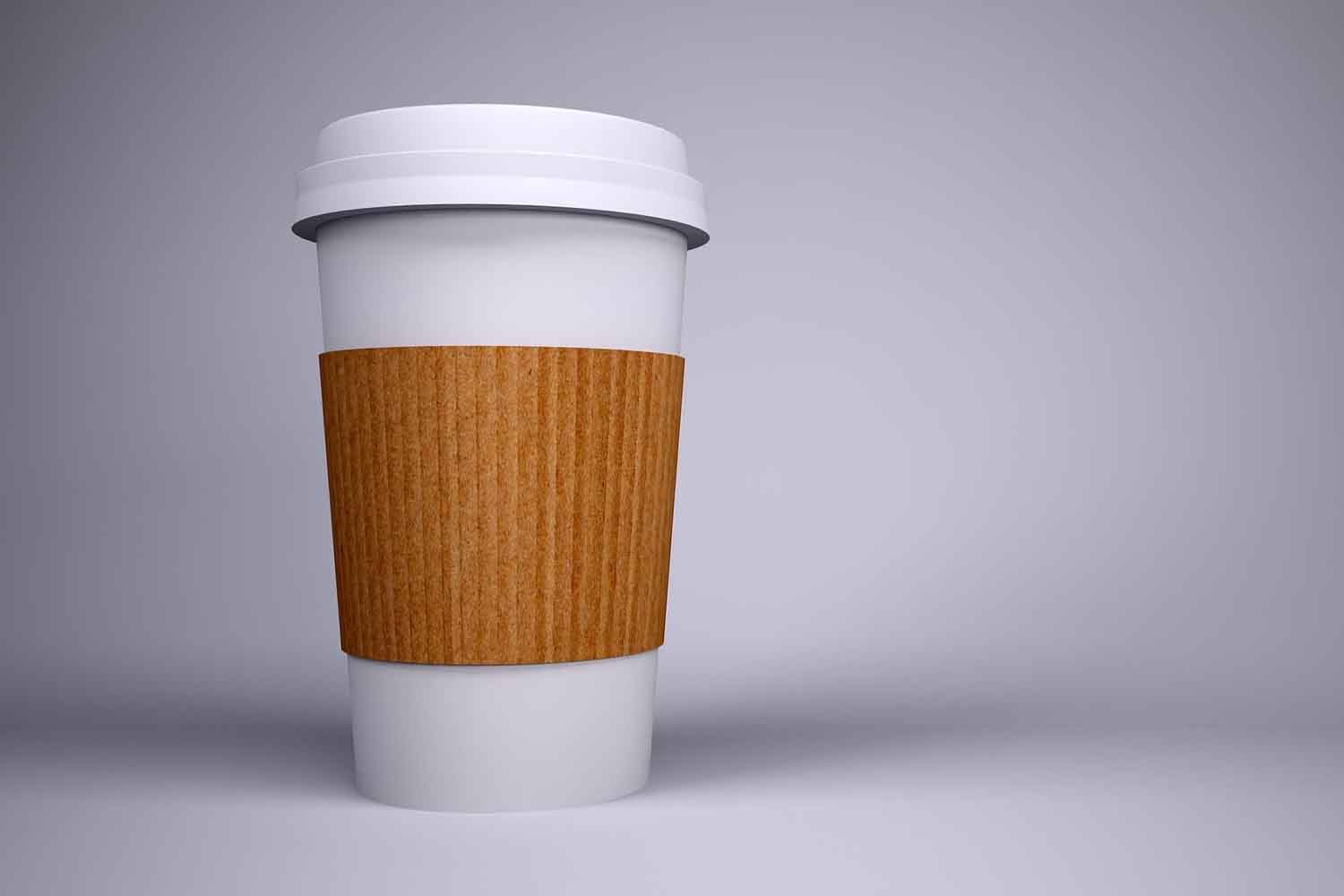
A paper cup, a hot coffee and a thin layer of plastic that prevents the first from getting soaked with the second. A large part of the disposable cups we use every day are made like this. Now, however, a group of chemists at the University of Waterloo, Canada, have developed a entirely cellulose-based coatingcapable of resisting high temperatures and potentially easier to recycle together with paper.
The research, published in the journal ACS Sustainable Chemistry & Engineeringwas born from a project dedicated to the development of light and renewable materials for the aeronautical sector. From airplanes to coffee glasses, researchers have identified a possible application that is decidedly more everyday.
The problem of “paper” cups
The internal lining of traditional takeaway cups is generally made of polyethylene, a plastic that waterproofs paper. However, the presence of two different materials complicates the recycling process and, in contact with hot drinks, the coating can release small particles.
The research team led by Shirley Tang, professor of chemistry at the University of Waterloo, developed a barrier composed of cellulose acetate reinforced with cellulose nanocrystals. Both components are of plant origin.
During experiments, conventional plastic coatings showed signs of deterioration and particle shedding. The one developed by Canadian researchers remained substantially intact even after prolonged exposure to boiling water, edible oils and various solvents.
The most interesting discovery also concerns the amount of paper needed to produce the glasses. The material retained its protective properties even when applied to ordinary brown paper towels. According to the researchers, this could make it possible to achieve thinner packagingreducing the consumption of raw materials and production costs.
Recyclability on an industrial scale will still have to be verified, while cellulose acetate, despite being of plant origin, falls within the European definition of plastic as a chemically modified polymer. The advantage of the discovery concerns above all the possibility of replacing conventional coatings of fossil origin.
@CS Sustainable Chemistry & Engineering
From 2027 we will be able to bring our own glass
The Canadian research comes as the rules for takeaway food and drink are changing in Europe. The new European regulation on packaging, applicable from 12 August 2026, aims to reduce waste production and encourage the reuse of containers.
By February 12, 2027catering establishments that sell take-away drinks and food will have to allow customers to bring their own container to fill, without increasing the price. By 12 February 2028 they will also have to offer a reusable alternative, with an exemption for micro-businesses.
Meanwhile, the material developed in Waterloo could also find application in trays and other food packaging, where the resistance to liquids and fats makes the presence of a protective barrier particularly useful. To reduce waste from daily coffee, however, we already have a technology that has been tested for centuries: the cup that can be washed and reused.
