
The United States Army decided to explode 68 drums of material containing lead azide inside an Iowa military base. In all, almost 4.4 tons of deteriorated explosive material. The detonation is scheduled for Wednesday 25 November and the inhabitants of the areas potentially affected by the cloud have been given rather practical advice: stay indoors, close the windows and limit the entry of outside air. Once it has passed, clean any surfaces that may have collected contaminated dust.
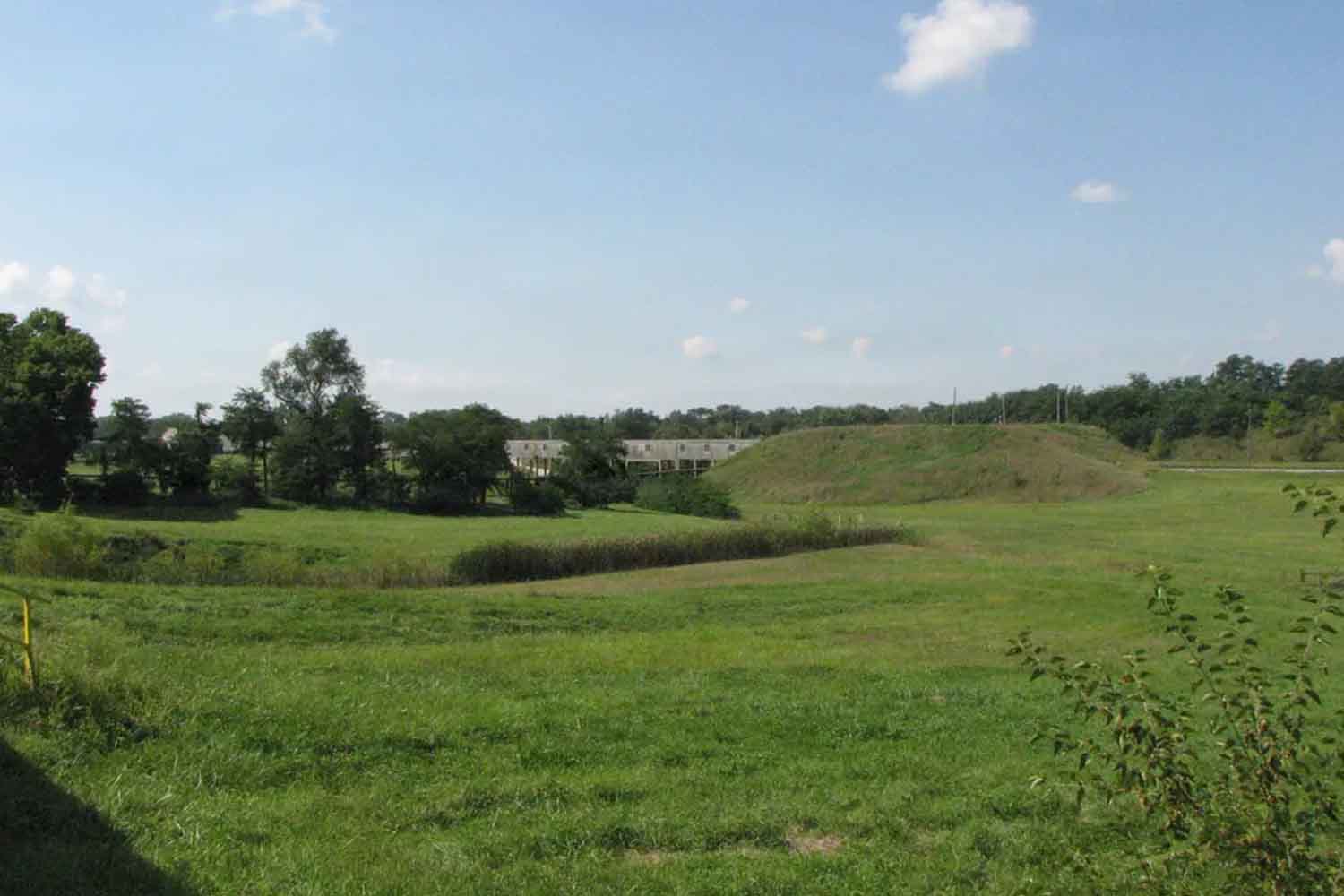
The location chosen is the Iowa Army Ammunition Plant in Middletown, a plant where ammunition is produced. The Army believes the drums have become so unstable that they cannot be moved without risking an accidental explosion. The solution, to prevent them from exploding on their own, is to cause two controlled explosions. With a detail that has brought citizens and environmental associations to court: lead could also end up in the air.
The lead cloud could reach 160 kilometers
Lead azide is used in ammunition primers because it reacts easily to shock, friction and heat. It’s a very useful quality when you want to detonate something. It becomes a problem when the material ages and loses stability.
During checks carried out in March 2026, the military identified the deterioration of the substance stored in two warehouses protected by ground. According to documents presented to the authorities, some of the material has crystallized, making it risky to even open the containers. The Army says the situation could get worse as colder temperatures arrive.
A detonation, however, also produces dust. And the public notice released by the Army admits it: a part of the particles containing lead will be dispersed in the air and may settle on the ground. The simulations took into account areas that, depending on weather conditions, can extend up to approximately 160 kilometers from the plant.
The distance indicates a possible path of the cloud, without implying uniform contamination along the entire 160 kilometers. The problem remains even after the wind has carried it elsewhere: the lead can settle on cultivated fields, gardens, roofs and windowsills, and then rise again with the dust. According to the US Environmental Protection Agency, the EPA, lead can damage the nervous system, kidneys and other organs. Children are particularly vulnerable and no risk-free threshold has been identified for lead in the blood.
To reduce dispersion, the military provides sand barriers, dampening systems and wind controls. The actual effects on the environment, however, will be known with subsequent sampling. In the meantime, precautions are also entrusted to the inhabitants: closed windows, recirculation ventilation and cleaning of exposed surfaces. Not exactly the kind of instructions you expect to receive for a security operation.
The court stops the permit. The Army wants to proceed
The detonation was initially scheduled for November 20th, then moved to the 23rd. The new Army announcement set it for November 25th, to wait for more favorable weather conditions and complete the containment measures. Meanwhile, on November 19, the Iowa Environmental Council and the Sierra Club challenged the emergency permit granted by the EPA. The associations argue that alternatives to detonation have been insufficiently examined and that the guarantees offered to exposed communities are not adequate.
A federal appeals court ordered a temporary suspension of the permit. It felt like a break, at least to discuss the risks. But the Justice Department said the Army plans to use a different emergency provision in the hazardous waste law, arguing that bomb squads can intervene without that permit to neutralize an immediate threat. Environmental organizations also contested this decision. Their fear is that the urgency of removing an explosive hazard will end up unloading on nearby communities an environmental risk that will last much longer than the operation.
There was an alternative: neutralize the material
Another possibility also appears in Army documents: chemically treating the lead azide, avoiding the cloud produced by the explosion. The method would have required intervening directly on the containers, and the military excluded it because it was deemed too dangerous for the operators. The Iowa Environmental Council disputes this very passage: in its opinion it has not been convincingly demonstrated that all less polluting alternatives were impracticable.
The concern about an accidental explosion is real and documented. So is the fact that a detonation will release lead-containing particles. The dispute therefore concerns which risk should be accepted and, above all, by whom. The bomb squad is inside the base; the people who will have to close the windows live outside.
The problem was already known twenty years ago
Then there is a date that makes this story even more difficult to archive as a sudden emergency: 2004. In 2014, in an article published by the Army itself, it was said that in 2004, concerns about an old supply of lead azide deteriorating in the Iowa plant had given impetus to the search for alternative, lead-free explosives.
That precedent concerns a supply stored in the same facility, without establishing that they are exactly the same drums. However, it documents that the problem of deterioration had been known for over twenty years. The Iowa Army Ammunition Plant, moreover, already has a long history of pollution. The EPA included it in the Superfund program in 1990, among the sites to be remediated due to the presence of contaminants in the soil and groundwater.
Now the Army promises environmental checks after the detonation and possible interventions on contaminated areas. The lead, however, once deposited does not volatilize together with the cloud. And while residents prepare closed windows and rags to clean, a fairly eloquent chronology remains: research on alternatives dates back to 2004, explosions are predicted for 2026.
