
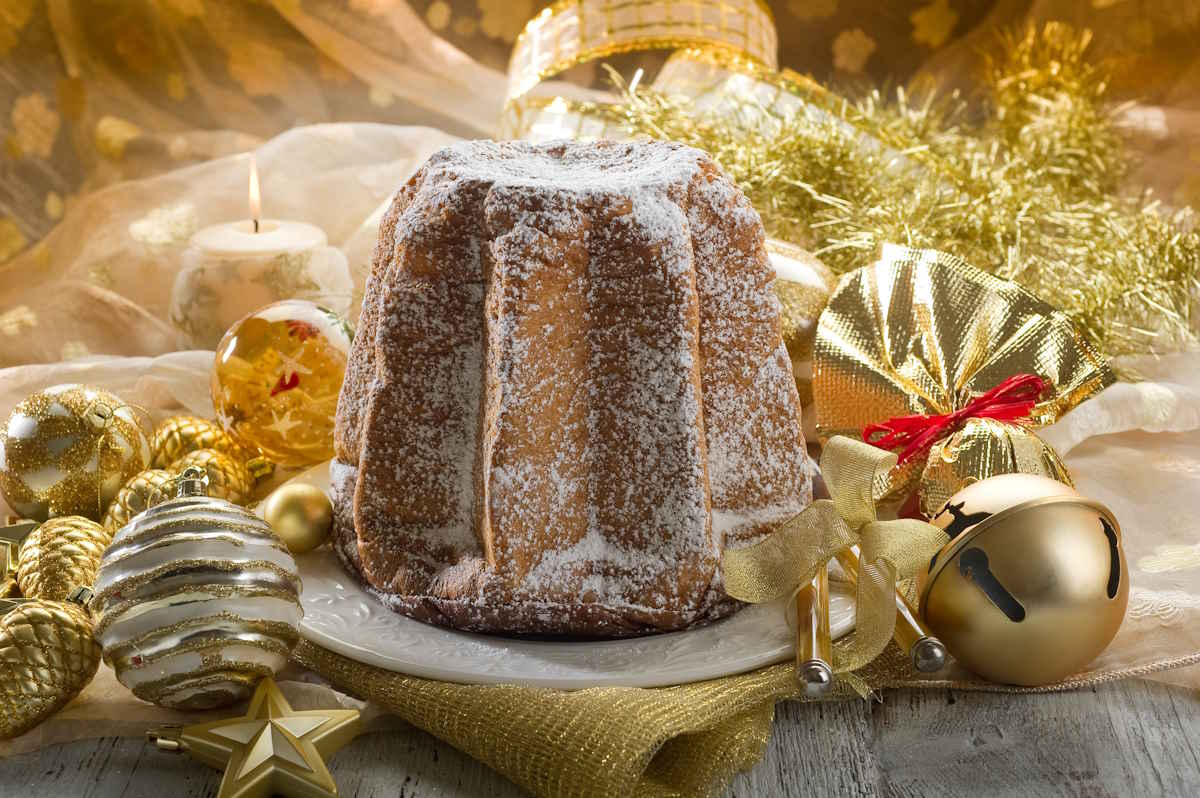
They all look the same, golden and scented with vanilla, with their snowfall of icing sugar. But just turn the package to discover that two pandoros can be very different. Before putting the holiday dessert in the cart, it is worth dedicating thirty seconds to the list of ingredients: it is there that we understand whether we are choosing a quality product or not. To help us, we asked “our” nutritionist for an opinion.
Pandoro cannot be missing from holiday tables. It is eaten to end Christmas and New Year’s lunches and dinners on a sweet note, but then it often also becomes the protagonist of breakfasts, snacks and snacks until the Epiphany, perhaps warmed up or stuffed.
At the supermarket, in bakeries and pastry shops the offer is wide, including industrial, artisanal and stuffed versions of all kinds, and finding your way around is not easy. Even the most “tasty” labels don’t always say everything at a glance, and the price alone is not a guarantee.
We have already given you some advice for choosing an excellent panettone, but today we will see what characteristics a pandoro must have and what to pay attention to on the label.
Nutritionist Flavio Pettirossi gave us some advice on the matter:
As in the case of panettone, even when we buy a pandoro we must pay attention to the label which must contain the obligatory ingredients, i.e. wheat flour, fresh category A eggs (better if free-range or type 1), sugar, butter, sourdough yeast, vanillin, salt.
Which ingredients should not be on the list?
It is better to avoid products in which sweeteners, emulsifiers and hydrogenated fats and especially added sugars appear on the label under the heading of glucose or fructose syrup.
A little trick for reading the label: the ingredients are listed in decreasing order of quantity. The more butter and eggs appear in the top positions, and the shorter and more understandable the list, the closer the recipe is to the traditional one. A “clean” pandoro can be recognized precisely by this simplicity.
And what about stuffed pandori?
We are often inclined to fill the pandoros with creams or icings or, even worse, buy already filled pandoros. Considering that Christmas meals are already very caloric in themselves, I recommend purchasing and consuming this product in its traditional version or at most filling it with a homemade cream, either the traditional custard or made with mascarpone.
Be careful when consuming these products, especially if you suffer from diabetes or high blood sugar: it is always better to ask your doctor what and how many “treats” you can indulge in during the holidays.
Those who have the time and desire can also try preparing it at home: this way you choose each ingredient and know exactly what ends up on the plate. Follow our recipes:
