
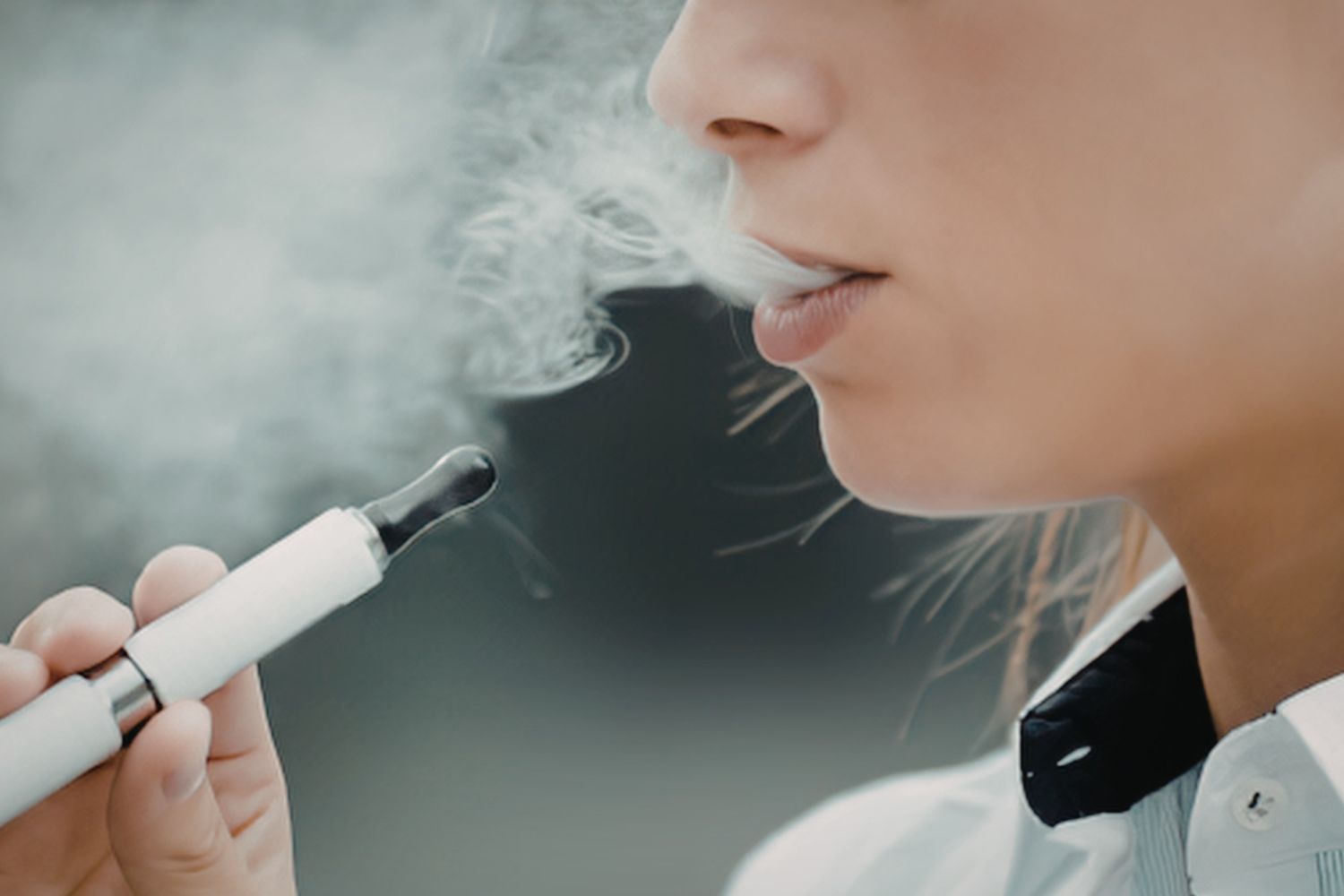
On 24 November, in the last Council of Ministers before the general elections of 29 November and after the lapse of the broader anti-smoking reform due to the dissolution of the Chambers, the Spanish government – at the instigation of the Ministry of Health led by Mónica García – approved a royal decree that modifies royal decree 579/2017 within the Integrated Plan for the prevention and control of smoking 2024-2027, with publication expected in Official State Gazette (BOE) for Monday 30 November.
The provision, launched in November 2024, having passed the State Council phase in October 2026, the observations of the National Commission for Markets and Competition and the findings of 6 European countries (including Sweden and Romania, with an extension until July 2025 and setting aside of simple packaging in January 2025), bans all flavors for electronic cigarettes other than tobacco – including sweet, fruity and menthol flavours, even in nicotine-free devices – and sets the ceiling for nicotine pouches at 4 milligrams per unit instead of 0.99 milligrams as planned in the first draft.
The numbers of the survey on young people aged between 14 and 18 and the scientific framework
The measure is driven by data from the ESTUDES 2025 survey on over 35,000 Spanish students aged 14 to 18: if those who have tried vaping at least once fell from 17% in 2014 and from 54.6% in 2023 to 49.5% in 2025, and use in the last year fell from 46% to 40.8%, consumption in the last 30 days instead rose from 14.9% in 2019 and from 26.3% in 2023 to 27.1% in 2025. On a scientific level, an analysis published in January 2026 in JAMA Network Open on over 72,000 people in the United States found in territories with restrictions on aromas a drop of approximately 6 percentage points in initiation among 18-24 year olds but no statistically significant change among adolescents.
A Cochrane review updated in August 2026 indicates that electronic cigarettes with nicotine can promote smoking cessation more than patches or gum (about 4 more people per 100 abstinent for at least 6 months). Furthermore, there remain the risks linked to nicotine, to the compounds generated by the heating of the aerosol such as formaldehyde and acrolein even without nicotine, to the uncertainty about prolonged exposure referred to by the World Health Organization and to the debate on the impact of flavorings on adult addiction.
UPEV’s reaction: 4,650 jobs at risk and fears for the illicit market
Despite the scientific evidence, the reaction of the Union of Vaping Promoters and Entrepreneurs (UPEV), chaired by Arturo Ribes, was very harsh, warning of 4,650 jobs at risk and the stability compromised for over 450 SMEs in the sector: according to estimates based on International Financial Analysts (AFI) data, the potential losses would amount to 328 million euros of added value and up to 133 million euros per year tax revenue, considering that flavored liquids account for over 65% of the turnover of specialized shops – created for many even after the 2009 crisis – and that Catalonia concentrates 80% of national production. Ribes calls for rigorous age checks online and in non-specialised shops, traceability and sales reserved for dedicated shops and tobacconists to stem the parallel market.
