
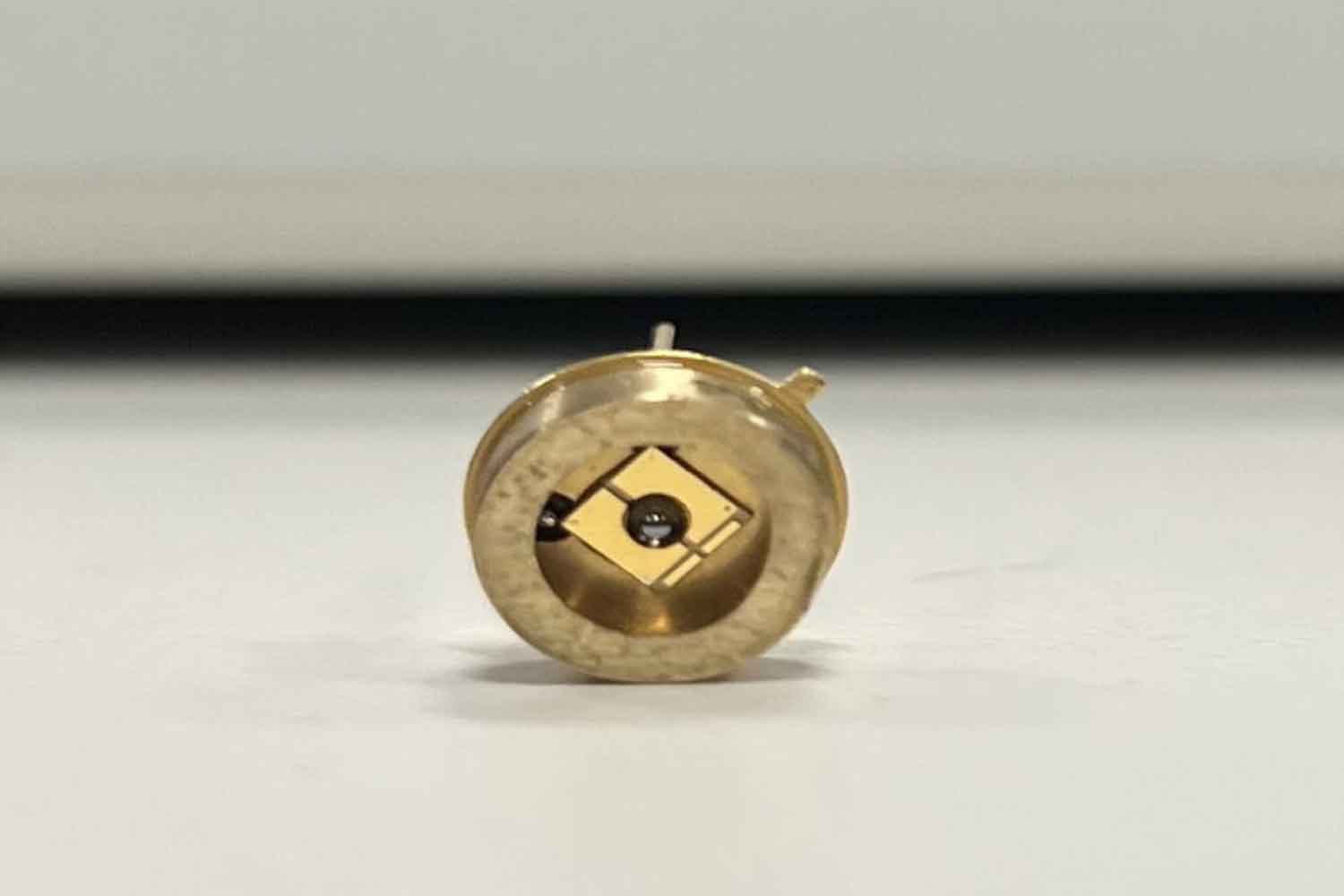
In 2022, a team of researchers from the University of New South Wales (UNSW) has achieved an incredible discovery in the field of renewable energy: a system capable of producing electricity even at night. Apparently science fiction, this innovation is now reality. The underlying principle of the system is based on conversion of terrestrial heat into infrared lightexploiting the temperature difference between the ground and the external space.
After sunset, the Earth, heated during the day, releases heat into the environment in the form of infrared radiation. This phenomenon, thanks to thermoradiative diodes, can be captured and transformed into electrical energy. The material used for these devices is similar to that used in night vision goggles, allowing heat to be absorbed and converted into electricity even in low light conditions.
The doctor Phoebe Pearceresearcher of the project, explains:
A solar panel captures energy from the sun, an extremely hot body. Likewise, the thermoradiative diode uses infrared light emitted towards a much colder environment, such as space, to generate energy.
Although the system currently produces up to 100,000 times less electricity than traditional solar panels, it still represents a concrete proof of the feasibility of the processuntil recently considered impossible.
Constant energy for satellites and missions
One of the most promising areas for this technology is space. Satellites in low Earth orbit go through 90-minute cycles of light and dark. While solar panels can power these devices during the day, at night they rely solely on batteries.
Thanks to thermoradiative diodes, it is possible to generate electricity even during periods of darkness, reducing the need for bulky and expensive batteries. Professor Ned Ekins-Daukesleader of the project, underlines the historical importance of this innovation:
The first silicon solar panels were demonstrated in 1953 and, as early as 1958, were powering satellites in space. Today, these panels provide energy to homes around the world. Our goal is to bring heat-radiating diodes into space within two years.
This technology would not only improve the efficiency of space missions, but also increase their long-term sustainability.
Harness human heat: battery-free wearables
Beyond space missions, this technology could transform the way we produce energy on Earth too. The UNSW team is working on developing new materials to make diode production cheaper and more accessible. This could lead to the introduction of portable devices powered by human body heat.
Imagine watches, bracelets or other wearable devices capable of functioning without batteries, simply using body heat, as stated by Professor Ekins-Daukes:
In the future, this technology could not only eliminate the need for batteries in certain devices, but also help them recharge.
Thanks to this discovery, renewable energy is getting closer and closer to solutions for low-light or indoor environmentspushing towards a future where traditional sources will be less and less necessary.
The invention of the thermoradiative diode by UNSW researchers represents a new chapter for renewable energy. Whether powering satellites in space or wearable devices on Earth, the applications of this technology seem endless.
Through the exploitation of infrared light, previously unexplored energy is made accessible. This innovation not only promises to make space missions more efficient, but also offers practical solutions for a world increasingly in need of sustainable alternatives. With such progress, the future of clean energy is brighter than ever.
