
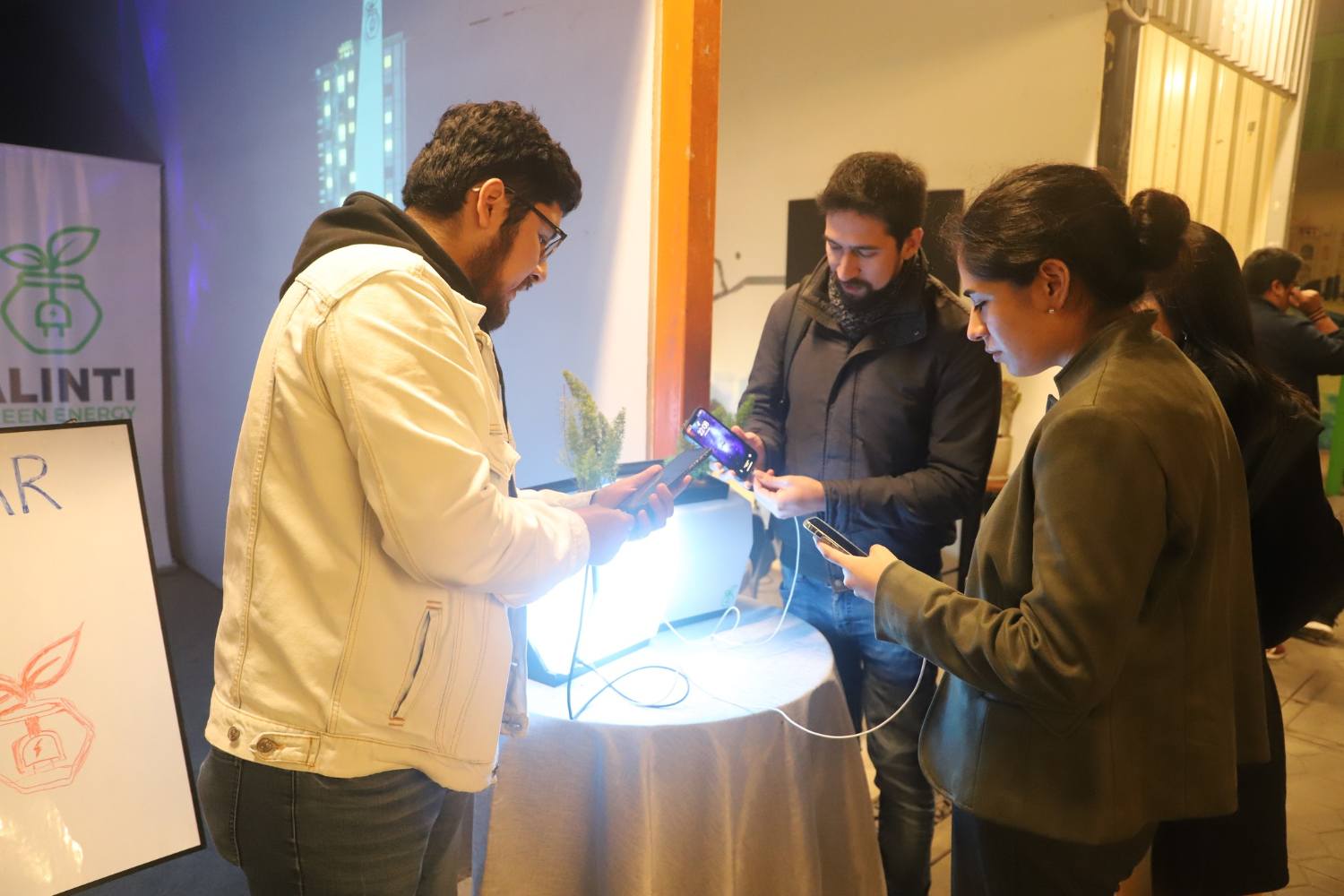
Alinti is an innovative device that exploits the natural process of photosynthesis to generate electricityoffering a sustainable and eco-friendly solution for communities without access to reliable energy sources. This unique system was designed by Hernán Asto, a civil engineer originally from Ayacucho, Peru.
His inspiration comes fromchildhood lived without electricity with his family depending on candles for light. A fire caused by candles it profoundly affected him, pushing him to look for alternative and safe solutions for lighting.
The heart of Alinti technology lies in theinteraction between plants and soil microorganisms. The device contains a cell filled with organic soil and graphite electrodes. During photosynthesis, plant roots release organic compounds that are then broken down by a microbial community present in the soil.
This process generates electronswhich are captured by the electrodes and transformed into electrical energy. Alinti uses a conductive polymer anode, an innovative and non-metallic material, resistant to corrosion, which allows for energy generation more efficient compared to traditional metal electrodes.
Alinti applications
Hernán Asto has received numerous awards for his invention. These include the History Channel’s “An idea to change history” award, the title of “Peruvian of the Bicentennial” and the prestigious Green Bio-Circular award at the APEC forum in 2023. In 2024, Alinti obtained the highest recognition at the NTT DATA Foundation Global eAwards.
Alinti devices offer multiple practical applications. The Alinti e-POT model, a compact solution, is capable of feeding LED lights and electronic devices like cell phones. This helps improve the quality of life in rural communities by reducing the use of candles and kerosene lamps, which are dangerous and polluting.
Another device, Alinti e-GRASS, is designed for public lightingusing bioelectrochemical cells to power urban streetlights, helping to reduce environmental impact and promote sustainability. Furthermore, Alinti has demonstrated a positive impact on public health, preventing respiratory diseases and improving living conditions in vulnerable communities.
“If great things come, many thanks to everyone! We care a lot about doing this for our only friend.”
Posted by Alinti on Saturday, November 9, 2024


